
CPAP Baddies: How a Viral Beauty Hack Is Normalizing Sleep Apnea Treatment
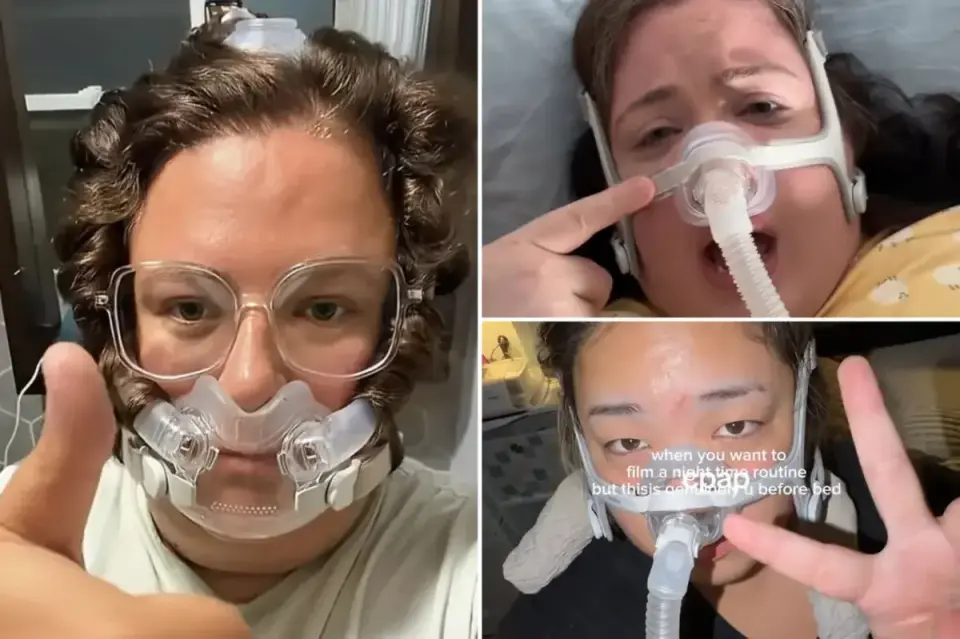
A viral TikTok trend known as 'CPAP baddies' is helping normalize the use of continuous positive airway pressure (CPAP) machines by reframing them as beauty tools rather than medical burdens. The movement, which gained traction after a Wisconsin woman used her device's tubing to create heatless curls, has reached over 16.2 million accounts on Instagram and TikTok in the last 90 days. Sponsored by respiratory device maker Resmed, the campaign aims to reduce the stigma surrounding sleep apnea treatment, particularly among young women who often go undiagnosed. By celebrating the aesthetic and practical aspects of CPAP use, the initiative encourages adherence to a therapy that is considered the gold standard for managing obstructive sleep apnea, a condition affecting more than 80 million Americans.
Key points
- Kayla Fawcett, a 32-year-old from Wisconsin, went viral after using her CPAP machine's tubing to create heatless curls, a hack that garnered over one million views on TikTok.
- The 'CPAP baddies' movement challenges the stereotype that sleep apnea patients are older or male, highlighting that women, younger adults, and those with lower body mass indexes are often overlooked in diagnosis.
- Resmed, a respiratory device manufacturer, is spearheading the campaign, with its content reaching over 16.2 million accounts on social media platforms in the past 90 days.
- The trend aims to combat stigma and improve adherence to CPAP therapy, which many patients abandon due to discomfort, claustrophobia, or embarrassment about wearing the mask.
- Untreated obstructive sleep apnea is linked to serious health issues, including high blood pressure, stroke, heart disease, and cognitive decline, making consistent treatment critical for long-term health.
Background
Previous coverage has highlighted the challenges of CPAP adherence, with patients often struggling with comfort and side effects like skin irritation or dry mouth. While CPAP remains the standard treatment, alternatives such as nerve-stimulation implants and new medications are emerging for those who cannot tolerate the device. The current trend addresses the psychological and social barriers to treatment, complementing medical advancements by focusing on patient acceptance and community support.
Why it matters
The 'CPAP baddies' movement addresses a critical gap in sleep apnea care: the social stigma that prevents many from seeking or maintaining treatment. By reframing CPAP as a tool for beauty and self-care, the campaign helps reduce the shame associated with the device, potentially increasing adherence rates. This is significant because consistent use of CPAP can prevent severe health complications associated with untreated sleep apnea, including cardiovascular disease and cognitive decline. The movement also raises awareness among demographics that are often underdiagnosed, such as women and younger adults, by challenging traditional patient profiles and encouraging open conversations about sleep health.
What to watch
Resmed is expanding the 'CPAP baddies' initiative beyond social media by hosting in-person events where users can share experiences and support one another. The company aims to continue shifting the cultural narrative around sleep apnea treatment, making it less intimidating for those hesitant to start therapy. As the trend grows, it may influence broader public perception of medical devices and encourage more people to prioritize sleep health, potentially leading to earlier diagnoses and better management of obstructive sleep apnea.
Want the full story? Read the original reporting
Read on New York Post