
Guinea-Bissau Police Raid Vaccine Research Offices Amid CDC-Funded Trial Controversy
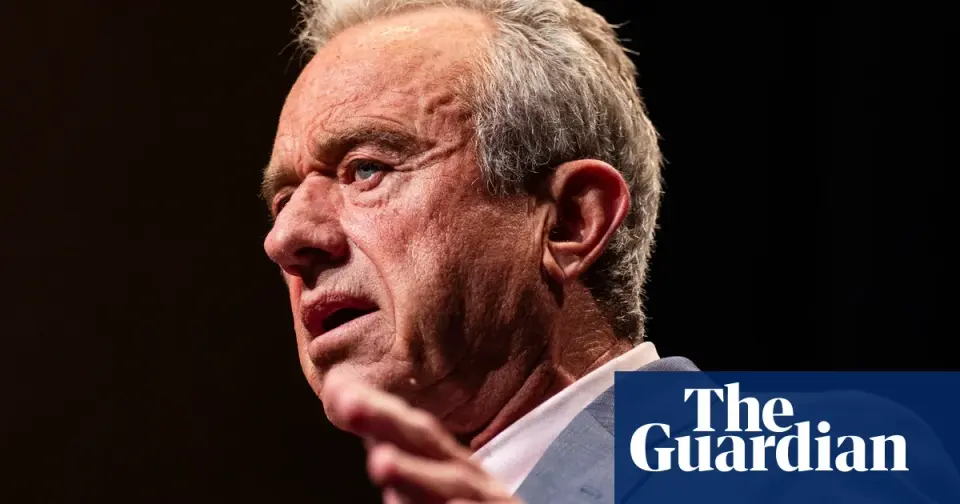
Guinea-Bissau judicial police raided offices of the Bandim Health Project, seizing hepatitis B vaccines linked to a controversial US-funded clinical trial. The study, which would withhold birth-dose vaccines from 7,000 newborns, faces intense ethical backlash and conflicting approval statuses. While the University of Southern Denmark approved the trial under budget pressure, Guinea-Bissau’s health minister denies authorizing it. The raid highlights tensions between US health policy, Danish researchers, and local public health priorities in a fragile nation.
Key points
- Guinea-Bissau judicial police raided Bandim Health Project offices on Monday, seizing hepatitis B vaccine doses to clarify circumstances, though officials stated no quality irregularities were found.
- The controversial trial, funded by $1.6 million from the US CDC and matched by private foundations, would withhold the hepatitis B birth dose from 7,000 of 14,000 enrolled newborns for six weeks.
- The University of Southern Denmark approved the revised protocol on October 7 after a rushed five-to-four vote, with four committee members resigning in protest over time pressure from expiring grant funds.
- Guinea-Bissau Health Minister Quinhin Nantote denied approving the trial, stating it would require further review, contradicting earlier reports of government sign-off.
- HHS Secretary Robert F. Kennedy Jr. has praised the researchers, while the World Health Organization condemned the study as unethical, noting that hepatitis B vaccination at birth is a proven, safe intervention.
Background
The Bandim Health Project, founded in 1978, has been criticized for failing to improve local health capacities despite decades of operation. The current trial follows a previous suspension due to ethical concerns and coincides with broader US efforts to replace multilateral aid with bilateral health agreements in Africa. Earlier in 2026, the CDC allocated funds to revive the trial, drawing international condemnation for prioritizing budget deadlines over participant safety.
How outlets are covering it
The Guardian and Infection Control Today emphasize the ethical violations and potential harm to newborns, comparing the trial to historical abuses like Tuskegee. Rolling Stone highlights the procedural failures at the University of Southern Denmark, noting that expiring CDC funds pressured the ethics committee into a hasty vote. Tomorrow's Affairs frames the incident within a broader context of African resistance to US health agreements that demand data sharing without guaranteeing local benefits. While the CDC and Danish researchers argue the trial aligns with current national standards, critics including the WHO and African CDC officials assert that withholding a proven vaccine exposes infants to preventable, life-threatening disease.
Why it matters
The raid underscores the fragility of Guinea-Bissau’s post-coup stability and the risks of conducting clinical trials in resource-limited settings. It exposes tensions between US health policy, international ethical standards, and local sovereignty. The controversy may influence future bilateral health agreements in Africa, where countries are resisting terms that compromise patient data and public health autonomy. It also highlights the potential consequences of politicizing vaccine research, as seen in the US measles outbreak and the CDC’s shifting priorities.
What to watch
The trial’s status remains uncertain pending final authorization from Guinea-Bissau authorities. The CDC and Danish researchers may seek alternative funding if the trial is blocked. Guinea-Bissau’s health ministry will likely continue reviewing the trial’s compliance with national legislation. International health organizations may monitor the situation for potential impacts on global vaccine policies and research ethics.
- RFK Jr’s ‘deities of vaccine research’ raided by police in Guinea-Bissau The Guardian
- How a Controversial Hepatitis B Study Was Funded by the CDC Amid a Global Swirl of Criticism Rolling Stone
- Africa pushes back against US health and aid agenda Tomorrow's Affairs
- Guinea-Bissau denies it has approved controversial vaccine trial in newborns The Guardian
- Guinea-Bissau Hepatitis B Vaccine Trial: Birth-Dose Concerns and Research Ethics Infection Control Today
Want the full story? Read the original reporting
Read on The Guardian