
Dental Experts Call Viral Oil Pulling a Waste of Time, Not a Harmful Practice
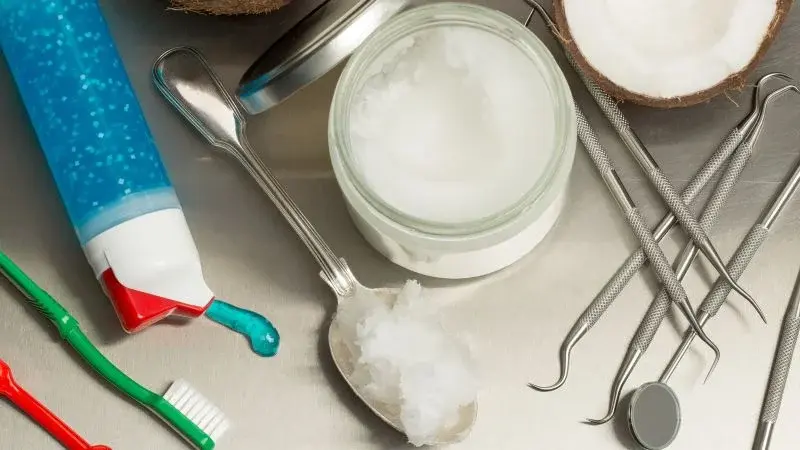
Oil pulling, an ancient Ayurvedic practice involving swishing oil in the mouth for up to 20 minutes, has seen a resurgence on social media. While proponents claim it whitens teeth and improves the oral microbiome, dental experts state there is no scientific evidence supporting these benefits. A 2022 meta-analysis found it reduces bacterial counts but does not significantly lower plaque or gum inflammation compared to standard hygiene. Experts advise that while the practice is not harmful, it offers a false sense of protection and is a poor substitute for proven methods like fluoride toothpaste and flossing.
Key points
- Oil pulling involves swishing edible oils like coconut or sunflower in the mouth for 5 to 20 minutes before spitting them out, a practice rooted in ancient Ayurvedic medicine.
- Social media influencers promote the trend as a natural mouthwash that can whiten teeth, freshen breath, and improve gut health through a healthier oral microbiome.
- Dr. Matthew Messina of the American Dental Association notes that while there is no evidence oil pulling is detrimental, there is also no reliable scientific proof it reduces cavities or improves overall oral health.
- A 2022 meta-analysis indicated that oil pulling decreases bacterial counts in the mouth, but it lacks sufficient evidence to show it reduces gum inflammation or plaque buildup compared to standard brushing and flossing.
- Dentist Dr. Kami Hoss warns that oil pulling provides a 'false sense of protection' and is a waste of time, as it does not replace the scientific benefits of fluoride rinses and mechanical cleaning.
- Experts caution that using oil pulling as a replacement for medical treatments, such as antibiotics for gum infections, is dangerous, though accidental swallowing is generally not harmful.
Background
This trend fits into a broader pattern of viral wellness practices that lack scientific backing, similar to recent expert critiques of 'nervous system resets' and lymphatic drainage massages. While these trends often promise holistic benefits, medical professionals consistently emphasize that established, evidence-based routines remain superior for health outcomes.
Why it matters
As social media continues to popularize unproven health rituals, consumers risk neglecting proven dental hygiene practices in favor of time-consuming routines that offer no measurable benefit. Understanding the lack of scientific support for oil pulling helps individuals prioritize effective, evidence-based oral care methods.
What to watch
Experts recommend that individuals continue to focus on brushing twice daily with fluoride toothpaste and flossing once a day. Further randomized studies with larger patient groups are needed to definitively determine if oil pulling has any minor benefits, but current consensus is that it should not replace standard dental care.
Want the full story? Read the original reporting
Read on CNN