
Experts Argue 30-Second 'Micropractices' Outperform Long Meditation Sessions for Daily Well-Being
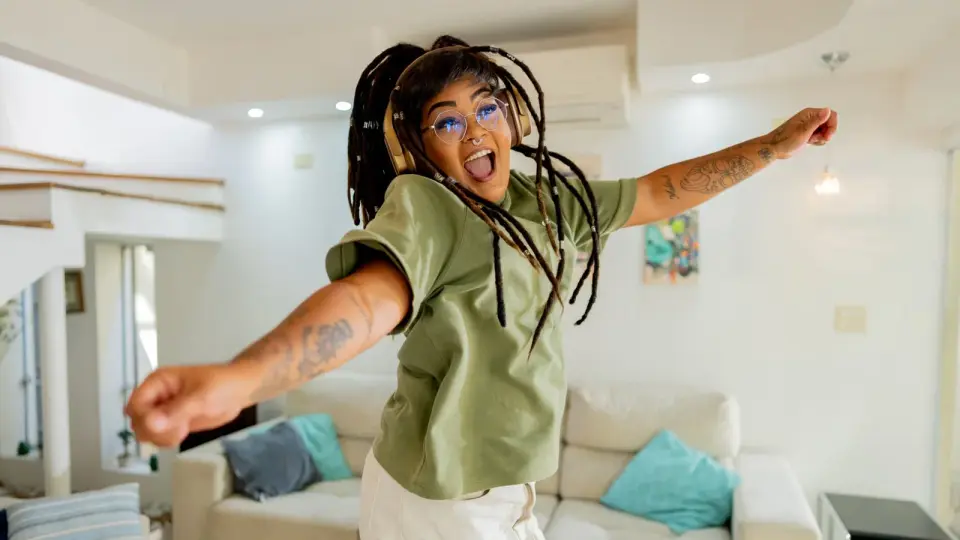
Psychologist Eli Susman promotes 'micropractices'—brief mindfulness activities lasting under 30 seconds—as a viable alternative to long meditation sessions. A YouGov poll shows only 20% of Americans practice mindfulness weekly, citing time constraints. Susman’s new book highlights techniques like 'micro dancing' and 'lovingkindness' to integrate calm into daily routines. Research indicates that consistent, short self-compassion exercises can lower stress and depression, though experts warn these methods do not replace professional mental health care.
Key points
- A September 2026 YouGov poll of 1,003 U.S. adults found 71% eat fresh produce weekly and 60% exercise, but only 20% practice meditation or mindfulness.
- Psychologist Eli Susman, author of 'Micropractice,' argues that consistency matters more than duration, advocating for activities that take 30 seconds or less.
- Susman recommends three specific micropractices: 30 seconds of improvisational dancing, sending mental well-wishes to others ('lovingkindness'), and reframing envy as appreciative joy.
- A 20-second self-compassion exercise, involving placing hands on the heart and abdomen, was found to lower physiological stress responses before stressful events.
- Research from Susman’s team shows that daily practice of self-compassion exercises leads to increased self-compassion and lower levels of depression and anxiety.
- Susman emphasizes that micropractices are not a substitute for professional mental health treatment, comparing them to brushing teeth rather than visiting a dentist.
Background
This story builds on earlier coverage from September 2026, which highlighted randomized controlled trials confirming that combining short wellness actions with habit-formation tools yields lasting benefits in self-compassion and reduced psychopathology over six months. It also aligns with recent discussions on loneliness and social connections, where experts have linked active friendship maintenance to longer, healthier lives, suggesting that small, consistent behavioral changes can have significant long-term health impacts.
How outlets are covering it
CNBC focuses on the practical application of micropractices for busy Americans, highlighting specific techniques like 'micro dancing' and 'lovingkindness' to overcome time barriers. Upworthy emphasizes the scientific backing and the counterintuitive nature of short practices, citing Susman’s experience at Plum Village where a monk suggested 'three breaths' were sufficient, challenging the notion that long meditation retreats are necessary. Both sources agree on the importance of consistency but differ in emphasis: CNBC highlights the variety of micropractices, while Upworthy focuses on the specific 20-second self-compassion exercise and its physiological benefits. Neither source disputes the need for professional mental health care, but Upworthy explicitly quotes Susman’s warning that micropractices do not replace therapy.
Why it matters
As Americans struggle to fit traditional wellness activities into their schedules, micropractices offer a low-barrier entry point for mindfulness. By demonstrating that brief, consistent actions can yield significant mental health benefits, these practices may help bridge the gap between intention and action for those who feel overwhelmed by longer meditation routines. This approach could make mental health maintenance more accessible and sustainable for a broader population.
What to watch
Expect further research into the long-term effects of micropractices on mental health outcomes. Susman’s book may influence a wider adoption of these techniques, potentially leading to new studies on their efficacy in various populations. Additionally, mental health professionals may integrate micropractices into their therapeutic approaches, offering clients simple, actionable steps to manage stress and improve well-being between sessions.
Want the full story? Read the original reporting
Read on CNBC