
Experts Identify Eight Parenting Habits That Unintentionally Fuel Childhood Anxiety
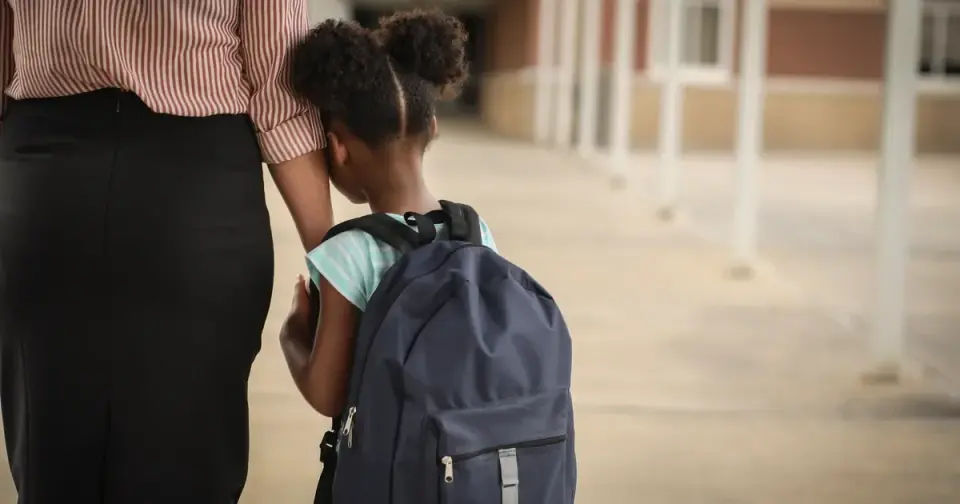
A new analysis highlights eight common parenting behaviors that inadvertently increase anxiety in children, including encouraging avoidance, modeling unmanaged stress, and praising results over effort. Experts emphasize that while anxiety affects up to 20.5% of youth globally, parents can mitigate this by fostering resilience, validating emotions, and maintaining consistent, calm communication rather than over-accommodating fears or sending mixed messages.
Key points
- Encouraging avoidance: Helping children dodge feared situations (like driving them to school instead of letting them take the bus) prevents them from developing coping skills and worsens anxiety over time.
- Modeling unmanaged anxiety: Children observe their parents' body language and behavior; if parents do not manage their own stress, they may inadvertently teach children to fear specific situations.
- Avoiding emotional conversations: Failing to name and validate a child's feelings prevents them from developing an emotional vocabulary and healthy coping mechanisms.
- Over-caution: Constantly warning children about dangers without explaining the rationale creates hesitancy and fear, rather than teaching them to make intelligent judgments.
- Praising results over effort: Focusing on outcomes rather than effort creates pressure to be perfect, causing anxiety about disappointing parents if they do not excel.
- Leading questions: Asking questions that imply anxiety (e.g., 'Are you nervous because...?') can create new worries or exacerbate existing ones.
Background
This topic builds on broader discussions about childhood mental health, where experts note that anxiety manifests differently across ages and can be difficult to pinpoint. While previous coverage has touched on various parenting challenges, this specific analysis focuses on the subtle, unintentional ways caregivers can exacerbate anxiety through daily interactions and communication styles.
Why it matters
Understanding these subtle triggers allows parents to shift from over-accommodation to supportive resilience-building. By modeling healthy coping, validating emotions, and focusing on effort, caregivers can help children develop the confidence and skills needed to manage anxiety effectively, reducing the long-term impact on their mental health and self-esteem.
What to watch
Parents are encouraged to review their daily interactions for these eight patterns, focusing on balancing empathy with encouragement. Experts suggest practicing self-regulation, using educational reasoning instead of fear-based warnings, and maintaining consistent messages to help children build a robust toolkit for managing anxiety.
Want the full story? Read the original reporting
Read on HuffPost