
Experts Warn Against Self-Diagnosing 'Ferritin Face' as Social Media Trend Gains Traction
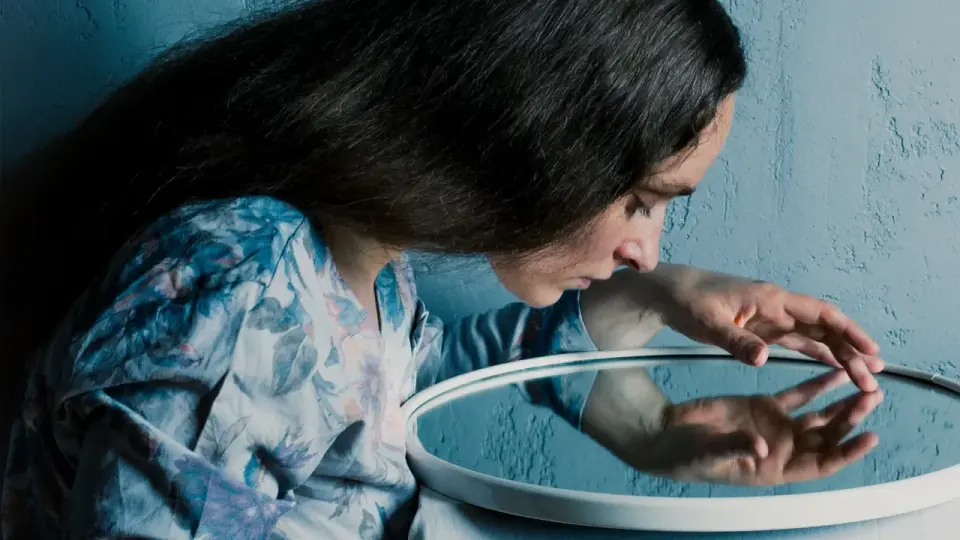
The viral term 'ferritin face' describes skin changes like dull complexion and hair loss linked to iron deficiency, but experts emphasize it is not a medical diagnosis. While low ferritin levels can affect appearance, these symptoms often stem from other causes such as hormonal shifts or aging. Doctors advise against self-treatment and recommend professional evaluation through comprehensive blood panels to accurately assess iron stores and determine appropriate treatment.
Key points
- Ferritin is a protein that stores iron in the body, and low levels may manifest as dull skin, hair shedding, or cracked lips.
- The term 'ferritin face' is a social media construct, not a recognized clinical diagnosis, and should not be used for self-diagnosis.
- Symptoms associated with iron deficiency can also result from hormonal changes, thyroid issues, or natural aging, making professional evaluation crucial.
- Accurate diagnosis requires a full iron panel, including tests for ferritin, serum iron, total iron-binding capacity, and transferrin saturation.
- Treatment for confirmed iron deficiency may involve dietary changes, supplements, or infusions, but unnecessary supplementation can be harmful.
Background
Recent coverage has highlighted how dark circles and skin changes may signal hidden iron storage gaps, with studies indicating that a significant portion of women aged 18 to 50 are iron deficient. Previous reports noted that standard blood tests might miss borderline ferritin levels, underscoring the importance of comprehensive testing. This current discussion expands on those concerns by addressing the broader social media trend of attributing various beauty concerns to iron deficiency, emphasizing the need for medical guidance over self-treatment.
Why it matters
The rise of 'ferritin face' reflects a broader trend of social media wellness obsessions that can lead to misdiagnosis and unnecessary treatment. By highlighting the limitations of self-diagnosis and the importance of professional medical evaluation, this story underscores the need for accurate health information and responsible health practices. It also serves as a reminder that while social media can raise awareness, it should not replace professional medical advice, especially when it comes to nutritional deficiencies and their potential impacts on overall health.
What to watch
As the trend continues to gain attention, expect more discussions around the intersection of social media wellness trends and medical advice. Healthcare providers may increasingly address these trends in patient consultations, emphasizing the importance of comprehensive testing and personalized treatment plans. Additionally, there may be a growing focus on public health campaigns to educate the public about the risks of self-diagnosis and the benefits of professional medical guidance.
Want the full story? Read the original reporting
Read on Vogue