
From Paralysis to Parenthood: How a Seattle Teacher Rebuilt Her Life
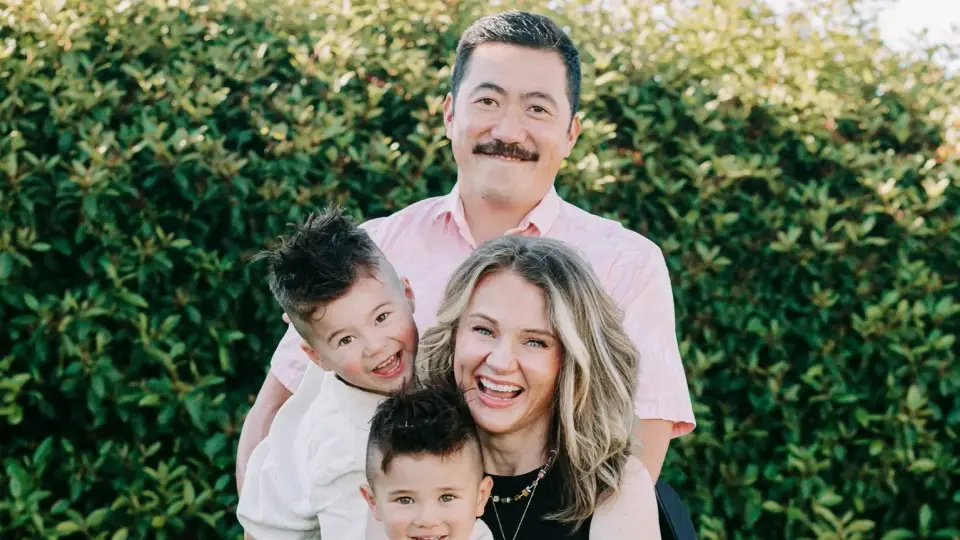
Jessie Owen, a former Seattle teacher paralyzed in a 2012 car crash that killed her parents, has regained some hand function through a clinical trial and now raises twin boys. She uses her 700,000-strong social media following to advocate for disability rights and share her journey from total loss to a fulfilling family life.
Key points
- In December 2012, a snow-laden tree fell on Owen's car, killing her parents and paralyzing her, while injuring her siblings.
- Owen spent a year in rehab, losing her job, apartment, and independence, but eventually shifted focus to what she could control.
- She participated in a clinical trial that led to the FDA-approved Arc-Ex device, which stimulates the spinal cord to improve hand sensation and strength.
- The treatment made daily tasks 5% to 20% easier, giving her the confidence to date, marry, and have children.
- Owen is now a mother to four-year-old twins and uses her online platform to inspire others and consult for disability advocacy groups.
Background
This story highlights the long-term impact of spinal cord injuries and the potential of emerging neurotechnology. While previous coverage in our archive focused on unrelated celebrity and legal issues, this piece underscores how medical advancements like the Arc-Ex device can significantly alter the quality of life for individuals with severe disabilities, enabling them to pursue traditional milestones like marriage and parenthood.
Why it matters
Owen's experience demonstrates that recovery from catastrophic injury is not always linear or complete, but can still lead to profound personal fulfillment. Her success with the Arc-Ex device suggests that targeted spinal cord stimulation may offer tangible benefits for daily independence, challenging the notion that quadriplegia equates to total loss of autonomy. Furthermore, her public advocacy helps destigmatize disability by showcasing a life filled with joy and purpose, providing hope for others in similar situations.
What to watch
Owen will continue to leverage her social media platform for speaking engagements and disability advocacy. She will also likely continue using the Arc-Ex device to manage her condition, while navigating the daily challenges of raising twins with limited physical mobility. Her story may inspire further research into spinal cord stimulation devices and broader public conversations about the capabilities of people with disabilities.
Want the full story? Read the original reporting
Read on USA Today