
Grip Strength: A Health Biomarker, Not a Lifespan Shortcut
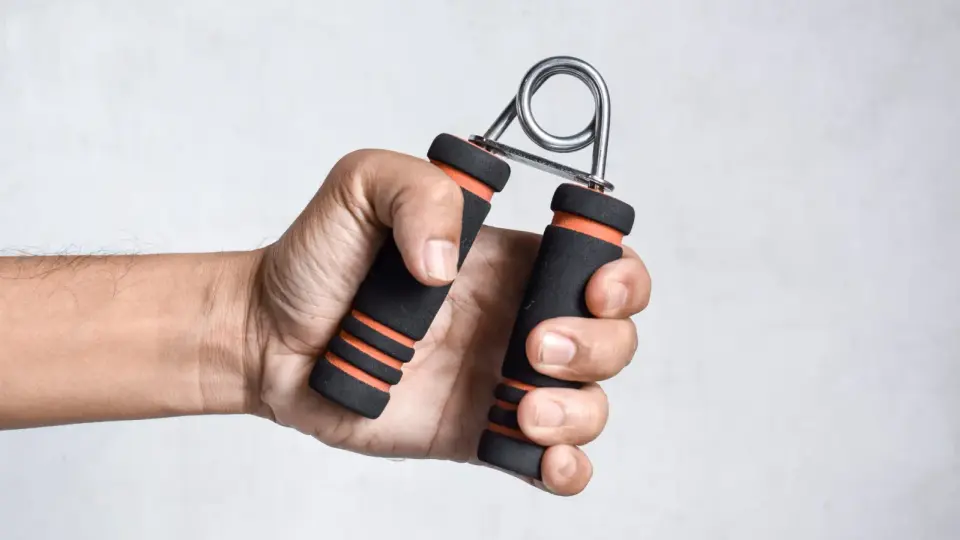
Grip strength serves as a reliable indicator of overall musculoskeletal and systemic health, but experts caution that it does not directly extend lifespan. While declining grip strength correlates with higher risks of heart disease and mortality, improving it requires full-body functional training rather than isolated hand exercises. Clinicians use dynamometers to measure this metric, which reflects broader factors like nutrition, nervous system function, and physical activity levels.
Key points
- Grip strength is a biomarker for overall health, reflecting muscle quality, nutrition, and nervous system function, but it does not directly cause longevity.
- A 2024 study found that a 5-kilogram increase in grip strength is associated with an 8% lower risk of heart disease in adults over 45.
- A global study of 140,000 adults showed that a 5-kilogram decrease in grip strength correlates with a 16% higher risk of all-cause mortality, outperforming blood pressure as a predictor.
- Grip strength typically begins declining around age 35 due to dynapenia, where the body becomes less efficient at activating muscle fibers.
- Experts recommend full-body exercises like deadlifts, rows, and farmer’s carries to improve grip strength, rather than isolated hand squeezing.
Background
Recent coverage has emphasized that grip strength is a strong predictor of lifespan, with strength training linked to reduced mortality risks. Experts have also highlighted that minimal weekly strength sessions can yield significant health gains, and specific exercises like dead hangs are recommended for women over 40 to maintain functional strength. These earlier discussions align with current findings that grip strength is a proxy for overall muscular and systemic health.
How outlets are covering it
USA Today emphasizes that grip strength is a window into existing health rather than a direct cause of longevity, citing experts like Nick Maroldi and Keith Baar. Yahoo Lifestyle Canada and Men’s Health focus on practical tools and exercises for improving grip strength, though their content is largely obscured by technical code. WSBT highlights community-based workout tips, reinforcing the importance of functional strength in daily activities. All sources agree that grip strength is a valuable health indicator, but USA Today uniquely clarifies the distinction between correlation and causation in longevity.
Why it matters
Understanding grip strength as a health biomarker can help individuals and clinicians monitor overall well-being and identify early signs of decline. By focusing on full-body functional exercises, people can improve their grip strength and, consequently, their overall health and independence, especially as they age.
What to watch
Clinicians may increasingly use grip strength measurements as a standard tool for assessing overall health and predicting disease risk. Public health campaigns may promote full-body strength training as a means to improve grip strength and overall well-being, particularly for older adults.
- Your grip strength says more about your health than you might think USA Today
- Grip strength is a predictor of longevity. Here's why this $15 gadget is important for healthy aging Yahoo Lifestyle Canada
- A Weak Grip Has Been Linked to Higher Heart Disease Risk and Earlier Death. Here's the Training Method to Fix Yours Men's Health
- I’m a Trainer: Your Grip Strength Is Hiding an Important Clue, Says New Longevity Study Men's Journal
- Kroc Center’s Tiffany shares workout tips and why grip strength matters WSBT
Want the full story? Read the original reporting
Read on USA Today