
Why You Drool at Night: What’s Normal and What Should Alarm You
TL;DR
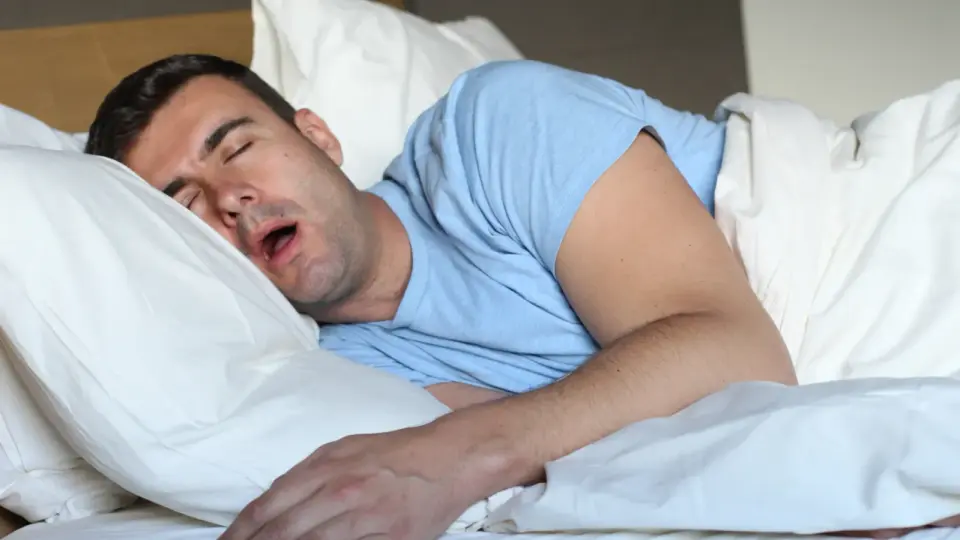
Nighttime drooling is usually normal and tied to mouth-breathing and REM sleep, but new, heavy, or persistent drool or signs like loud snoring, dehydration, or neurological symptoms warrant medical attention. Remedies focus on improving the airway (treat nasal congestion, allergies, colds, deviated septum), staying hydrated, managing reflux, and adjusting sleep habits (back vs side sleeping) or using devices like mouth guards or chin straps.
Topics:healthhealth-and-wellness#health-and-wellness#hydration#mouth-breathing#sleep#sleep-apnea#sleep-position
Want the full story? Read the original reporting
Read on USA Today