
CDC retains deleted Pennsylvania measles deaths in internal database after RFK Jr. order
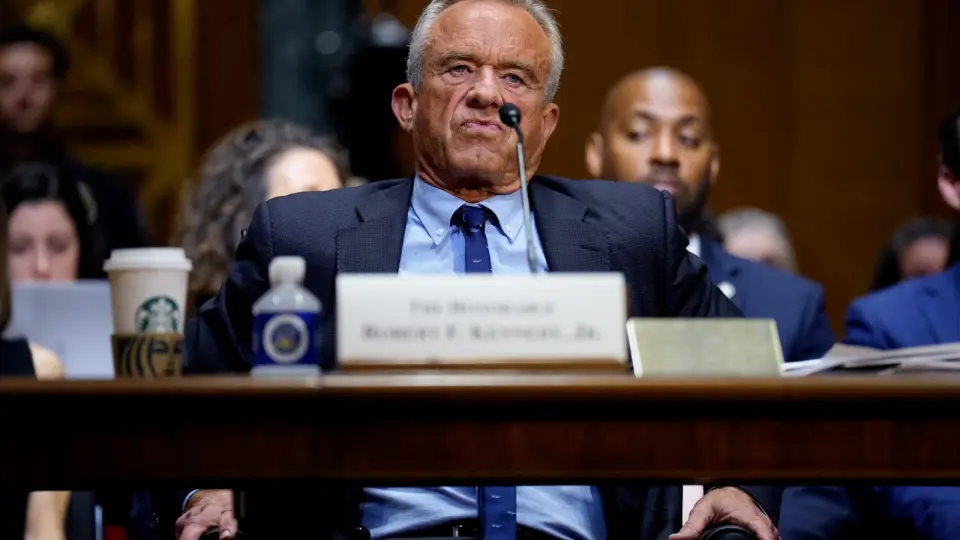
HHS Secretary Robert F. Kennedy Jr. ordered the CDC to delete two Pennsylvania measles deaths from public records, but the agency still tracks them internally. This move follows a dispute over whether measles caused the fatalities of a newborn and a child in Lancaster County, occurring amid a state outbreak that has sickened 540 people.
Key points
- Reuters reports that HHS Secretary Robert F. Kennedy Jr. instructed CDC Director Erica Schwartz to remove two measles deaths from the agency's public website on August 30, 2026.
- Inside Medicine reports that the CDC’s internal 'One CDC Data Platform' still lists the two deaths, contradicting the public deletion.
- The deaths involved a newborn and a child in Lancaster County, Pennsylvania, which is experiencing a severe measles outbreak with 540 confirmed cases.
- Pennsylvania health officials state they provided all required information to the CDC, while the federal agency claims available data does not establish that measles caused the deaths.
- The CDC replaced the deleted entries with a note stating that information does not confirm whether measles caused or contributed to the deaths.
Background
This incident follows a series of earlier reports in early September 2026 regarding tensions between federal and state health officials. Previous coverage noted that the CDC initially challenged Pennsylvania's death reports, bypassing standard protocols where state health departments determine case outcomes. The dispute emerged as Pennsylvania's outbreak grew, with 91 hospitalizations and 5,769 MMR vaccine doses administered by state officials. The conflict highlights ongoing debates over vaccine safety and the politicization of public health data, particularly in communities with low vaccination rates like Lancaster County.
How outlets are covering it
Reuters and Ars Technica emphasize the direct order from Kennedy Jr. to delete the deaths, noting that CDC staff had already accepted the deaths as measles-related before the removal. The Atlantic focuses on the human impact, detailing the story of the Amish family who lost their newborn and were unaware of the national controversy until contacted by reporters. The Pittsburgh Post-Gazette provides broader epidemiological context, highlighting that Pennsylvania now has the second-highest number of cases in the nation, behind only South Carolina, and notes that no infected individuals were fully vaccinated. While state officials assert they provided complete data, the CDC and HHS maintain that the cause of death remains unconfirmed, creating a stark divide between federal and state public health narratives.
Why it matters
The discrepancy between public and internal CDC data raises serious concerns about the integrity of public health reporting. If federal officials can alter national disease statistics based on political pressure rather than scientific consensus, it undermines trust in the CDC and complicates outbreak response efforts. This incident also illustrates the real-world consequences of vaccine hesitancy, as the outbreak continues to spread across 36 Pennsylvania counties, with health experts warning that 95% community immunization is required to contain the virus.
What to watch
HHS has not responded to requests for comment regarding the discrepancy between public and internal records. Pennsylvania health officials are continuing to organize vaccine clinics in Lancaster and other high-risk counties. The local coroner’s office is still investigating the second death, while state and federal officials remain at odds over the classification of the fatalities. Public health experts are urging residents to verify their immunization status, particularly those who visited specific locations like the New Stanton Service Plaza or UPMC Children’s Hospital where exposure risks were identified.
- Reports: RFK Jr. ordered measles deaths deletion; CDC still secretly counts them Ars Technica
- EXCLUSIVE: Kennedy asked to remove Pennsylvania measles death from CDC tally, sources say Reuters
- The Measles-Stricken Mother Who Lost Her Newborn Son The Atlantic
- Measles cases in Pa. surpass 500, second-highest in the nation Pittsburgh Post-Gazette
- Pediatrician says RFK Jr. sowing doubt about measles-associated deaths pbs.org
Want the full story? Read the original reporting
Read on Ars Technica