
Bedroom Air Filters Linked to Lower Blood Sugar Spikes in Prediabetes Trial
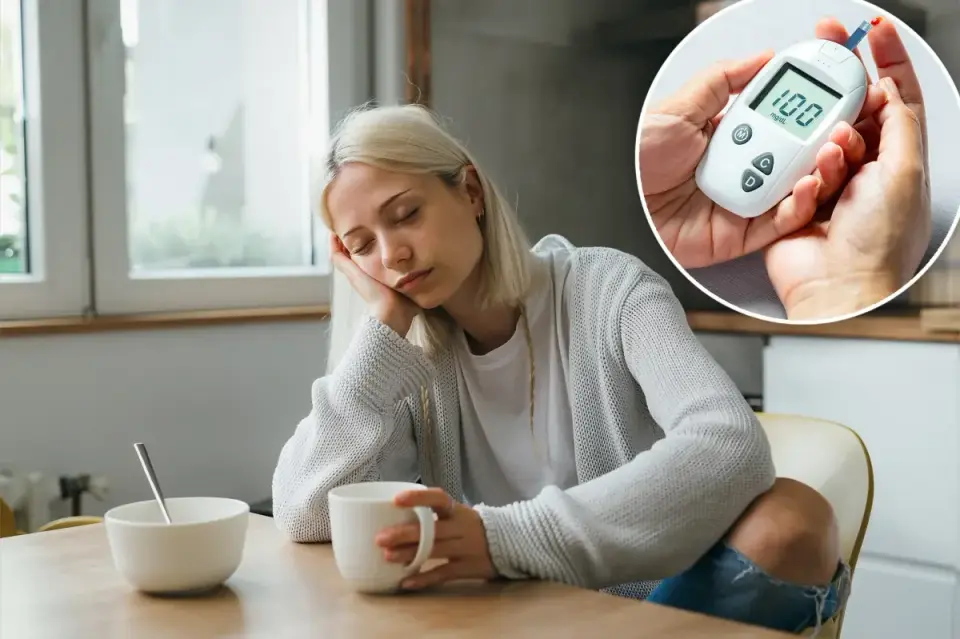
A new study from NYU Langone Health indicates that using high-efficiency particulate air (HEPA) filters in bedrooms can stabilize blood sugar levels for adults with prediabetes. The trial found that cleaner air reduced daily glucose fluctuations by nearly 8% and lowered post-breakfast spikes by 13%. Researchers suggest that indoor air quality is a modifiable risk factor for metabolic health, offering a low-cost addition to standard lifestyle interventions.
Key points
- The study involved 150 adults with prediabetes in New York City who used either real or sham air purifiers in their bedrooms for one month.
- Participants wearing continuous glucose monitors showed that real HEPA filters reduced harmful air particles by 36%.
- This reduction in pollution was associated with an 8% drop in daily blood sugar variability and a 17% decrease in total glucose after breakfast.
- Lead researcher Sharine Wittkopp noted that the findings support the link between air pollution and insulin resistance, though the results are preliminary until published in a peer-reviewed journal.
- Experts caution that air purifiers are not a replacement for diet, exercise, or medication but may serve as an additional tool for cardiometabolic risk management.
Background
Recent coverage in October 2026 highlighted the critical role of sleep and timing in glucose regulation, noting that poor sleep can reduce insulin sensitivity by up to 20%. This new research adds a new variable to that conversation, suggesting that the physical environment during sleep, specifically air quality, also significantly impacts metabolic stability. While previous studies focused on behavioral changes like evening exercise or high-protein breakfasts, this trial isolates the impact of particulate matter exposure during rest.
How outlets are covering it
The New York Post and U.S. News & World Report emphasize the practical, low-cost nature of HEPA filters as a simple intervention for patients. In contrast, NYU Langone Health’s official release provides more technical detail, noting that the study excluded participants with atherosclerosis and used AI tools to detect mealtimes. MedPage Today frames the finding within a broader context of cardiovascular research, highlighting that the results were presented at the American Heart Association’s Scientific Sessions. All sources agree on the core data points but differ in their emphasis on the preliminary nature of the findings versus their potential for immediate patient application.
Why it matters
With nearly half of U.S. adults having prediabetes, finding non-invasive ways to manage blood sugar is crucial for preventing type 2 diabetes and heart disease. If indoor air quality directly impacts metabolic health, it shifts the focus from individual lifestyle choices to environmental factors, potentially influencing public health policies regarding indoor air standards and patient care guidelines.
What to watch
Researchers plan to conduct longer-term studies to determine if air filtration can prevent the progression from prediabetes to diabetes or reduce the risk of cardiovascular events like heart attacks. They also intend to investigate whether these benefits apply to people with existing diabetes or those living in regions with different pollution profiles.
- An unexpected bedroom tool could help stabilize blood sugar: study New York Post
- Cleaner Bedroom Air May Help Manage Blood Sugar in Prediabetes NYU Langone Health
- HEPA Filters for Blood Sugar; ECMO-Equipped EMS & CPR; Valve-in-Valve-in-Valve TAVR MedPage Today
- A Bedroom Air Purifier May Help Prevent Blood Sugar Spikes U.S. News & World Report
- Bedroom air filters reduced glucose swings in prediabetes trial Diabetes.co.uk
Want the full story? Read the original reporting
Read on New York Post