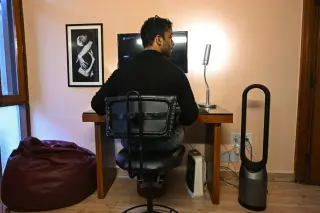
A preliminary NYU study finds that using HEPA air purifiers in bedrooms reduces harmful particles by 36% and lowers daily blood sugar spikes by 8% in adults with prediabetes, suggesting indoor air quality impacts metabolic health.
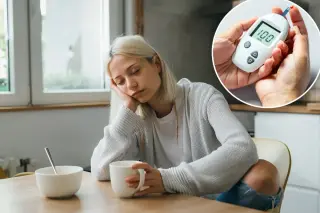
A new study from NYU Langone Health indicates that using high-efficiency particulate air (HEPA) filters in bedrooms can stabilize blood sugar levels for adults with prediabetes. The trial found that cleaner air reduced daily glucose fluctuations by nearly 8% and lowered post-breakfast spikes by 13%. Researchers suggest that indoor air quality is a modifiable risk factor for metabolic health, offering a low-cost addition to standard lifestyle interventions.
A large-scale UK trial involving 91 care homes found that installing HEPA air filters did not reduce rates of respiratory infections, staff absenteeism, or other illnesses among residents. The study, funded by the National Institute for Health and Care Research, concluded that filters are ineffective for preventing viral transmission in these settings, suggesting that funds should be redirected toward established measures like vaccination and hygiene.
A study found that using HEPA air purifiers in homes near highways can modestly lower systolic blood pressure by about 3 mm Hg, suggesting that improving indoor air quality may benefit cardiovascular health, especially for those exposed to air pollution.
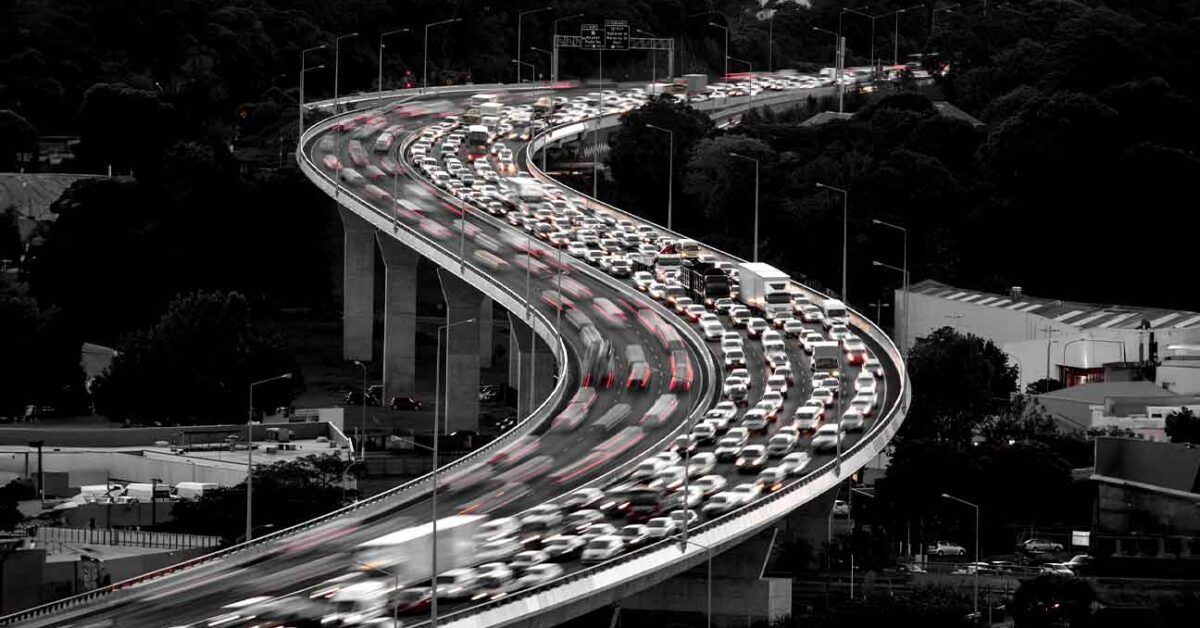
A study published in the Annals of Internal Medicine has found that traffic-related air pollution (TRAP) can lead to a significant increase in blood pressure among car passengers. The increase in blood pressure was comparable to other cardiovascular risk factors such as lack of exercise or excessive salt intake. The study suggests that wearing N95 masks, which are used to prevent the spread of COVID-19, may also filter out highway air pollution and reduce the risk of elevated blood pressure. Experts recommend the use of cabin air filters and other filtration devices to lower exposure to dangerous air pollution particles. The study highlights the potential health risks of TRAP exposure for individuals living near highways, factories, or airports.