
Daily Avocado Consumption Linked to Modest LDL Cholesterol Reduction in New Trial
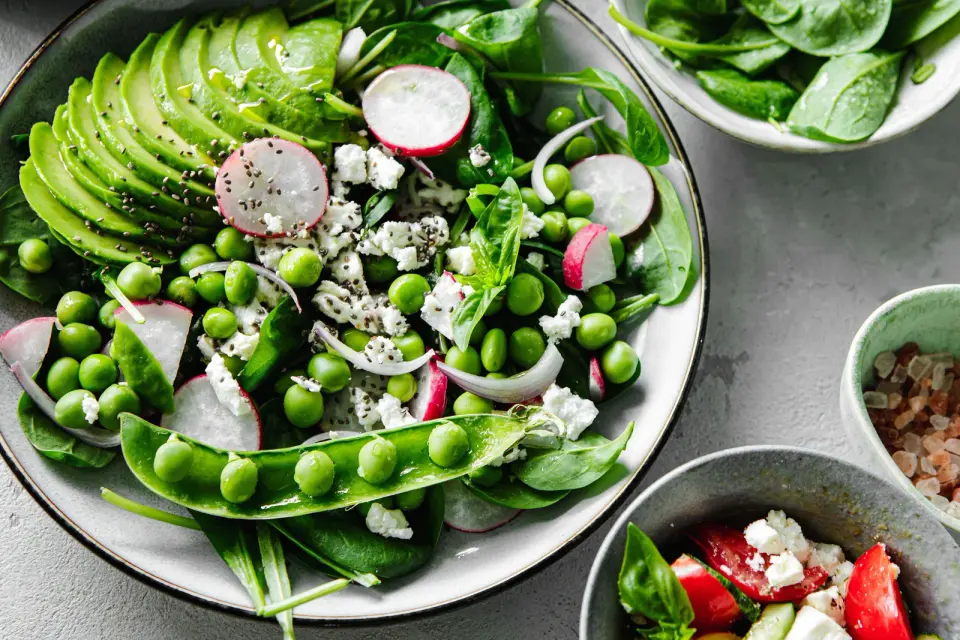
A six-month clinical trial involving 786 adults with abdominal obesity found that consuming one avocado daily was associated with a 49-nanomole-per-liter reduction in LDL cholesterol, translating to an estimated 4% lower risk of heart disease. While researchers described the effect as modest, cardiologists noted that avocados provide monounsaturated fats, phytosterols, and fiber, which collectively support cardiovascular health. Experts emphasized that avocados should replace saturated fats rather than be added to already calorie-heavy diets, and that they are one component of a broader heart-healthy lifestyle including exercise and medication.
Key points
- The Habitual Diet and Avocado Trial, published in the Journal of Clinical Lipidology, involved 786 adults over 25 with abdominal obesity over six months.
- Participants adding one avocado daily saw a 49-nanomole-per-liter drop in LDL cholesterol, equating to a 4% lower heart disease risk, though no weight change was observed.
- Avocados contain monounsaturated fats, phytosterols, and approximately 5 grams of fiber per half fruit, which help lower LDL and raise HDL cholesterol.
- Cardiologists advise using avocados to replace saturated fats like butter or red meat, rather than adding them to existing high-calorie meals.
- A separate 2022 study in the Journal of the American Heart Association linked two weekly avocado servings to a 16% lower cardiovascular disease risk.
Background
This finding aligns with earlier coverage from our archive, which highlighted avocados among four fruits that may lower blood pressure due to their potassium and fiber content. Additionally, recent research on full-fat dairy and protein intake suggests that specific food matrices and moderate consumption can support metabolic health without adverse weight effects, reinforcing the idea that targeted dietary changes can benefit cardiovascular outcomes.
How outlets are covering it
Food & Wine and AOL reported on the primary trial, emphasizing the modest but meaningful LDL reduction and the role of specific nutrients like phytosterols and fiber. Onlymyhealth expanded on the benefits, noting that avocados support digestion, satiety, and nutrient absorption, while cautioning that their high calorie density requires mindful portion control. Mathrubhumi English highlighted a different study pairing avocados with mangoes, which improved blood vessel function in prediabetic adults, suggesting that combining fruits may offer additional cardiovascular benefits. All sources agreed that avocados are not a standalone solution but part of a comprehensive heart-healthy diet.
Why it matters
The study provides evidence that simple dietary adjustments, such as adding one avocado daily, can contribute to measurable improvements in cholesterol levels. For individuals managing heart disease risk, this offers a practical, accessible strategy that complements existing medical recommendations. However, the modest effect size underscores the importance of holistic lifestyle changes, including exercise and medication, rather than relying on single foods for significant health outcomes.
What to watch
Further research is needed to determine the long-term effects of daily avocado consumption on cardiovascular health and whether combining avocados with other nutrient-rich foods, such as mangoes, enhances benefits. Healthcare providers may continue to recommend avocados as part of a balanced diet, particularly for patients with elevated cholesterol, while emphasizing the need for individualized dietary plans.
- Eating This Fruit Every Day Could Help Lower Your Cholesterol, New Research Suggests AOL.com
- This Popular Fruit May Help Lower ‘Bad’ Cholesterol, According to a New Study Food & Wine
- 65p fruit slashes cholesterol and boosts heart health, food expert says Cambridge News
- What Happens If You Eat Avocado Daily? 5 Health Benefits You Should Know Onlymyhealth
- The heart-healthy food combo you may want to eat every day Mathrubhumi English
Want the full story? Read the original reporting
Read on AOL.com