
Essex mother highlights overlooked postpartum vision risks for diabetic women
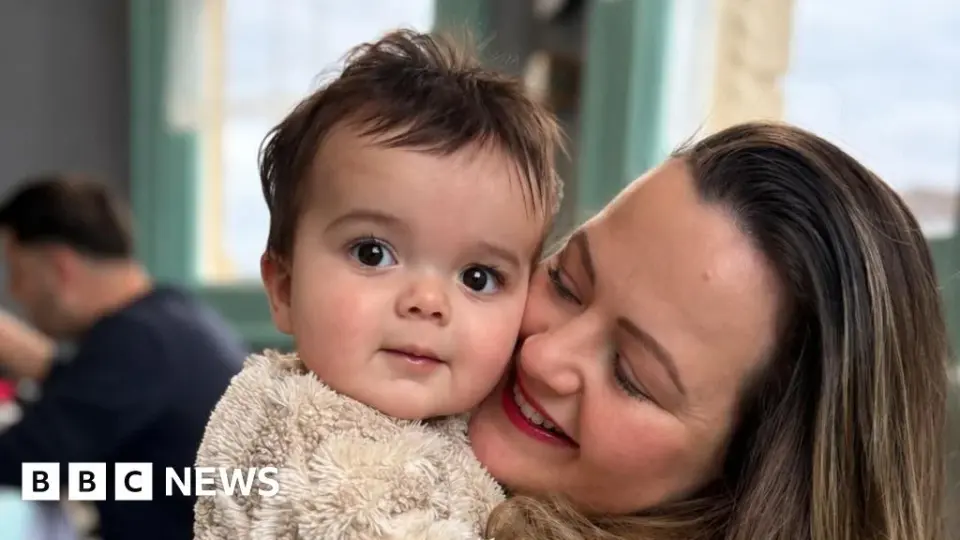
Jodie Akrill, a 34-year-old mother from Epping with type 1 diabetes, experienced severe vision loss during and after her pregnancy, highlighting a gap in public awareness regarding ocular complications. She suffered from pregnancy-induced maculopathy in her third trimester and later developed diabetic macular oedema (DMO), resulting in temporary blindness in her right eye. Akrill advocates for better education on these less common symptoms, while experts note that pregnancy can worsen existing diabetic eye conditions. Although her vision has since recovered, she emphasizes the need for healthcare providers to warn women about potential long-term postpartum changes, including hair loss and hormonal issues, that often go unmentioned.
Key points
- Jodie Akrill, a 34-year-old chemical engineer from Epping, lost central vision in her right eye during her third trimester due to pregnancy-induced maculopathy.
- Four months after giving birth to her son Ariyan, Akrill woke up unable to see out of the same eye, a condition she described as feeling like a 'light switch'.
- She was diagnosed with diabetic macular oedema (DMO) at Moorfields Eye Hospital in London, a condition involving swelling in the macula caused by leaking blood vessels due to her pre-existing type 1 diabetes.
- Treatment involved laser therapy and several months of injections to relieve fluid and pressure, successfully restoring her vision to normal.
- Akrill argues that women are not adequately informed about less common pregnancy and postpartum symptoms, such as hair loss and hormonal problems, which can persist for a long time.
- Sharon Heng, a consultant ophthalmic surgeon at Moorfields, noted that while DMO affects about 7% of diabetic patients generally, there is no specific data on its prevalence among pregnant women, though pregnancy can worsen existing conditions.
Background
Recent coverage has highlighted how postpartum symptoms can mask serious underlying conditions. For instance, a Houston mother was diagnosed with stage 3 colon cancer after giving birth, with her initial pain dismissed as normal pregnancy discomfort. This underscores a broader pattern where medical providers may overlook or misattribute symptoms during and after pregnancy, leading to delayed diagnoses. While the current story focuses on ocular issues, the archive context reinforces the importance of recognizing that pregnancy-related changes can be complex and sometimes indicative of severe health issues that require specific attention beyond standard prenatal care.
Why it matters
This story highlights a significant gap in patient education regarding the ocular risks associated with pregnancy, particularly for women with pre-existing conditions like diabetes. While common symptoms like morning sickness are widely discussed, less known complications such as maculopathy and diabetic macular oedema are often overlooked. Improved awareness could lead to earlier detection and treatment, preventing permanent vision loss. Additionally, the emphasis on postpartum hormonal and physical changes suggests a need for more comprehensive postnatal care that addresses a wider range of potential health issues, ensuring women are better prepared for the physical changes that can persist long after childbirth.
What to watch
Healthcare providers and charities like Tommy's may continue to push for better education on pregnancy-related eye changes. Patients with diabetes are advised to monitor their vision closely during and after pregnancy. There is no immediate indication of new policy changes, but the anecdotal evidence from Akrill may contribute to broader discussions about expanding prenatal and postnatal checklists to include ocular health assessments for at-risk groups.
Want the full story? Read the original reporting
Read on BBC