
Roscosmos to Permanently Seal ISS Tunnel After Decade-Long Air Leak Crisis
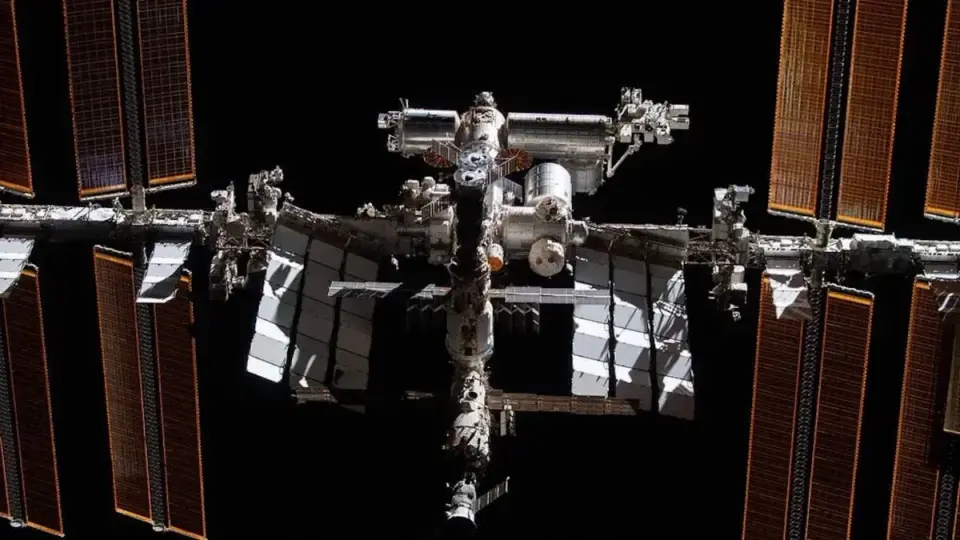
After failing to repair a persistent air leak in the ISS’s PrK transfer tunnel since 2019, Roscosmos is reportedly closing the hatch to the Zvezda module permanently. The leak, which peaked at 3.7 pounds of air lost daily, has forced a change in resupply logistics, with the upcoming Progress MS-36 mission using the Poisk module instead. This decision follows years of failed patches and disputes between NASA and Roscosmos over repair methods, marking a significant concession to isolate the aging infrastructure from the rest of the station.
Key points
- The air leak in the PrK transfer tunnel was first detected in 2019 and has worsened over time, reaching a peak loss rate of 3.7 pounds per day in April 2024.
- Roscosmos is preparing to permanently close the hatch between the Zvezda module and the PrK tunnel to isolate the leak, according to journalist Anatoly Zak.
- The Progress MS-36 cargo spacecraft, launching next month, will be the first mission to unload supplies through the Poisk module rather than Zvezda due to the closure.
- NASA and Roscosmos have disputed the root cause and severity of the leak, with NASA criticizing Russia’s earlier plan to cut away brackets inside the tunnel as structurally risky.
- A brief period of optimism in June 2025, when sensors suggested the leak was sealed, was reversed by a pressure drop observed during a recent cargo unloading operation.
Background
This development follows a long history of maintenance challenges on the International Space Station, including recent logistical delays such as the Crew-13 launch rescheduled in October due to a Dragon spacecraft oxidizer leak. The current situation highlights the growing difficulties of maintaining aging orbital infrastructure, where previous repair attempts have often been contested between the US and Russian space agencies.
Why it matters
The permanent closure of the PrK tunnel signifies a shift from active repair to containment for a critical part of the ISS, impacting future resupply logistics and crew access. It underscores the increasing strain on the station’s aging systems and the complex diplomatic and technical tensions between NASA and Roscosmos regarding safety protocols and infrastructure management.
What to watch
Roscosmos will rely on alternative docking ports, such as Poisk, for future cargo deliveries. The long-term integrity of the isolated PrK tunnel remains unknown, and the decision may set a precedent for handling other aging components of the ISS as the station approaches the end of its operational life.
Want the full story? Read the original reporting
Read on Gizmodo