
Congo's Bundibugyo Ebola Outbreak Passes 10,000 Cases, Becoming Deadliest in Nation's History
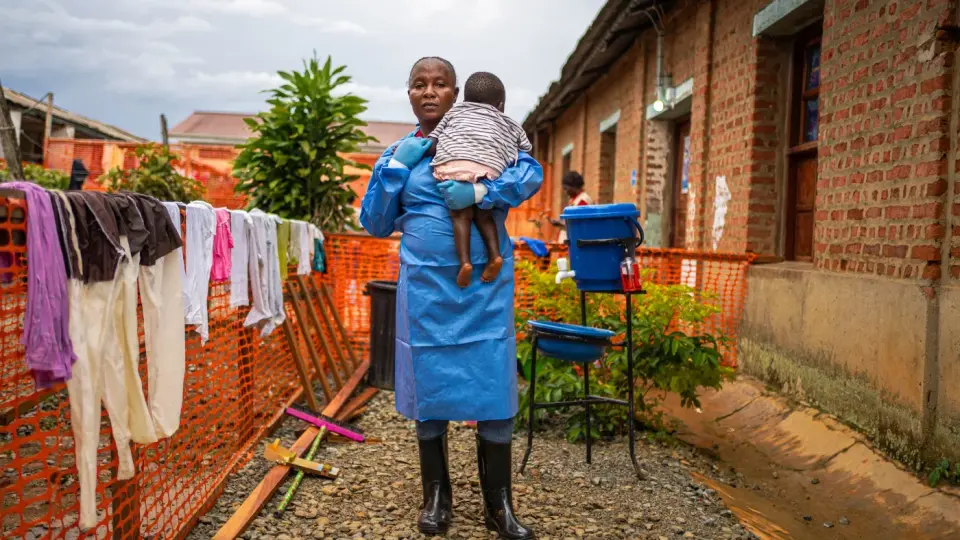
The Democratic Republic of Congo has confirmed 10,060 Ebola cases and 4,887 deaths, marking the country's deadliest and fastest-growing outbreak. Caused by the rare Bundibugyo strain, the epidemic has spread to eight provinces and neighboring countries, with no approved vaccine or treatment available.
Key points
- The outbreak, declared in May 2026, has infected 10,060 people and killed 4,887, with a case-fatality rate of nearly 50%.
- It is the fastest-spreading Ebola outbreak in history, surpassing 10,000 cases in about five months, compared to 4,000 cases at the same point in the 2014-2016 West Africa outbreak.
- The virus has spread to 66 health zones across eight provinces in the DRC and has been recorded in Kenya, Nigeria, Uganda, and France.
- Approximately 80% of new cases are coming from outside monitored contacts, indicating widespread undetected transmission.
- No approved vaccine or treatment exists for the Bundibugyo strain, though a clinical trial for the Ervebo vaccine has begun.
- Community mistrust, armed conflict, and violence against health workers are major obstacles to containment and treatment.
Background
The current outbreak is the second-largest and second-deadliest on record, trailing only the 2014-2016 West African epidemic, which had over 28,000 cases and 11,000 deaths. Previous DRC outbreaks, such as the 2018-2020 Bundibugyo epidemic, had significantly lower case counts. The current crisis is exacerbated by the rarity of the Bundibugyo strain, which is not covered by existing vaccines, and by ongoing armed conflict in the eastern DRC.
How outlets are covering it
NPR emphasizes the speed of the outbreak's spread and the impact of U.S. foreign aid cuts on surveillance and international cooperation. AP News highlights the disruption to routine healthcare services, including doubled maternal mortality and interrupted childhood vaccinations, as well as violence against health workers. Al Jazeera focuses on cross-border infections, detailing cases in Kenya, Nigeria, and Uganda, and the WHO's announcement of a new vaccine clinical trial. All three sources agree on the grim milestone of 10,000 cases and the lack of an approved vaccine, but they differ in their emphasis on the causes of the outbreak's severity and the international response.
Why it matters
The 10,000-case milestone underscores the severity of the Bundibugyo Ebola outbreak and the challenges of containing a rare strain without an approved vaccine. The rapid spread to multiple countries and the high case-fatality rate highlight the need for improved surveillance, community trust, and international cooperation. The disruption to routine healthcare services, including maternal mortality and childhood vaccinations, has long-term public health implications for the region.
What to watch
Health authorities are racing to slow the spread of the disease, with the WHO announcing the start of a clinical trial for the Ervebo vaccine against Bundibugyo. African health ministers are holding a virtual summit to strengthen the continent's collective response. Containment efforts will depend on improving community trust, increasing the rate of cases from monitored contacts, and securing adequate funding and resources for the response.
- The Ebola outbreak is breaking records — and just marked a grim milestone NPR
- Congo’s Ebola outbreak tops 10,000 cases as authorities race to slow the spread in African countries AP News
- Ebola cases in DR Congo surpass 10,000 in fastest-growing outbreak Al Jazeera
- Congo's Ebola cases surpass 10,000 as fears grow of wider African spread Reuters
- Congo Reports Over 10,000 Ebola Cases, Sparking Concerns of Wider Spread Forbes
Want the full story? Read the original reporting
Read on NPR