
Green Tea May Lower Blood Pressure via Catechins, Though Optimal Dosage Remains Unclear
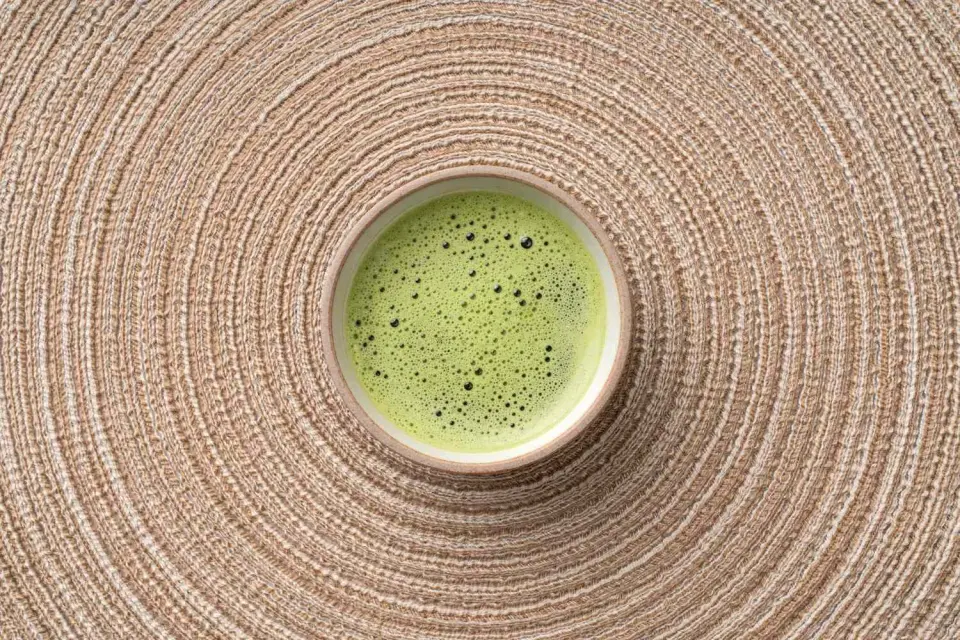
Research indicates that regular green tea consumption may modestly reduce blood pressure, particularly in individuals with hypertension. The benefits are attributed to antioxidant compounds called catechins, which help relax blood vessels and reduce inflammation. While specific dosage guidelines are lacking, longer-term consumption appears more effective than short-term use.
Key points
- Green tea consumption is associated with reductions in both systolic and diastolic blood pressure, with larger effects observed in people with high blood pressure.
- The primary mechanism involves catechins, such as epigallocatechin gallate (EGCG), which protect against oxidation, reduce inflammation, and promote vasodilation.
- Studies suggest that drinking green tea for three months or longer yields better blood pressure outcomes than shorter durations, though no optimal timeframe has been established.
- Caffeine in green tea may raise blood pressure, but the catechin content is believed to outweigh this effect, potentially making decaffeinated versions equally effective.
- Green tea extracts in supplement form carry higher risks, including potential liver injury and medication interactions, unlike the beverage itself.
Background
Recent coverage has highlighted broader cardiovascular benefits of tea consumption. A large study of Chinese adults linked habitual tea drinking to an 11% lower risk of vascular disease, though scalding temperatures were associated with increased risk. Additionally, oncologists have noted green tea’s antioxidants as potential cancer risk reducers, emphasizing that it should replace harmful habits rather than act as a standalone cure. A recent FDA recall of generic blood pressure medication also underscores the importance of proper medication management alongside lifestyle choices.
Why it matters
Understanding the nuanced relationship between green tea and blood pressure helps consumers make informed dietary choices. While green tea offers heart-protective benefits, it is not a substitute for medical treatment. Recognizing the role of catechins and the importance of consistent, long-term consumption can support better cardiovascular health management.
What to watch
Further research is needed to determine the optimal dosage and duration of green tea consumption for maximum blood pressure benefits. Clinical trials comparing caffeinated and decaffeinated green tea, as well as long-term studies on diverse populations, will help clarify these effects.
Want the full story? Read the original reporting
Read on Verywell Health