Tag

Blood Pressure

All articles tagged with #blood pressure

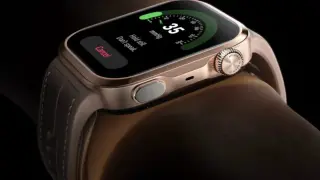
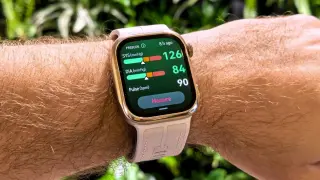
Samsung Enables US Blood-Pressure Tracking on Galaxy Watches with Cuff Calibration
technology11 days ago

Samsung Enables US Blood-Pressure Tracking on Galaxy Watches with Cuff Calibration

Samsung is rolling out blood pressure tracking to US Galaxy Watch 4+ devices via the Samsung Health Monitor app, but it requires a third‑party cuff to calibrate baseline blood pressure and periodic recalibration every 28 days. The feature is framed as a wellness tool to sidestep FDA clearance, with a future passive BP trend view promised later this year; rollout is phased across eligible devices.

Bringing Blood Pressure Targets Down: A New Era of Hypertension Guidelines
health19 days ago

Bringing Blood Pressure Targets Down: A New Era of Hypertension Guidelines

The article explains how hypertension targets have become stricter—from 140/90 to aiming for systolic readings under 120 for those at cardiovascular risk—driven by the SPRINT trial and updated AHA/ACC guidelines. It highlights benefits for heart health and potential cognitive gains, but also notes risks like hypotension and falls, especially in older or frail patients, and emphasizes the value of at-home monitoring and individualized treatment decisions.

Isometric workouts: a 14-minute, thrice-weekly route to lower blood pressure
health22 days ago

Isometric workouts: a 14-minute, thrice-weekly route to lower blood pressure

A recent meta-analysis of isometric exercises (handgrip, wall squat, leg extension) suggests that doing four 2‑minute bouts, three days a week for a total of 14 minutes per session can lower blood pressure and improve heart function—often more effectively than cardio or resistance training. The routine is accessible at home without equipment and may help those with joint or mobility issues, though long‑term effects and interactions with blood pressure medications need more study; ongoing large trials aim to refine the optimal protocols.

Walk Anytime, Consistency Wins: Your Health Benefits Don’t Clock In
health22 days ago

Walk Anytime, Consistency Wins: Your Health Benefits Don’t Clock In

The article explains that walking benefits vary by time of day. Morning walks can support circadian rhythm, improve sleep, blood pressure, and insulin markers (with the caveat that fasted morning walking may burn more fat but might cause fatigue or muscle loss if protein intake is too low). Afternoon walking may enhance digestion and blood sugar control and could lower all-cause and cardiovascular mortality risk. Evening walks can aid digestion and curb late-night snacking, though they may affect sleep for some people. The key takeaway is to pick a time you can be consistent with daily, since research, especially on women, is still evolving and most studies focus on men.

New AHA Guidelines Push Early Heart-Health Habits for 20s and 30s
health23 days ago

New AHA Guidelines Push Early Heart-Health Habits for 20s and 30s

The American Heart Association now says adults aged 20–40 should start heart-disease prevention now: monitor blood pressure, cholesterol, and blood sugar; consider a one-time lipoprotein(a) test; eat a diet rich in fruits and vegetables with limited saturated fats; aim for 2.5 hours of moderate exercise per week plus strength training, and some higher-risk individuals may need medication earlier to prevent heart disease and stroke.

Avocado and Mango May Boost Heart Health and Lower Blood Pressure
lifestyle23 days ago

Avocado and Mango May Boost Heart Health and Lower Blood Pressure

Eight weeks of adding one Hass avocado and a cup of fresh mango to daily meals improved several heart-health markers in adults with prediabetes, including higher flow-mediated dilation (6.7% vs. 4.6% in controls), lower diastolic blood pressure, and favorable kidney markers, along with increases in fiber, vitamin C, and monounsaturated fat—suggesting nutrient-dense fruits can support heart health without weight loss, though they’re not a cure-all.

Daily Avocado and Mango Boost Blood Vessel Health in Prediabetes
health25 days ago

Daily Avocado and Mango Boost Blood Vessel Health in Prediabetes

A study in adults with prediabetes found that adding one avocado and a cup of fresh mango to daily meals for eight weeks improved blood vessel function (flow-mediated dilation) and reduced central and diastolic blood pressure compared with a calorie-matched control group, without weight loss or exercise changes. The fruit group also showed better kidney function markers and increased intake of fiber, vitamin C, and monounsaturated fats. Researchers stress that while not a cure-all, small, nutrient-dense dietary additions like avocado and mango may support heart health as part of a broader lifestyle.

Mild Stage 1 Hypertension in Older Adults May Be Managed With Lifestyle First
health25 days ago

Mild Stage 1 Hypertension in Older Adults May Be Managed With Lifestyle First

A new analysis of recent hypertension guidelines suggests some older adults (mostly women in their mid-to-late 60s) with Stage 1 hypertension (130–139/80–89) who have low cardiovascular risk can safely delay medications and focus on lifestyle changes and ongoing monitoring. About 11% of Stage 1 patients could avoid meds if their PREVENT risk score is low; medications are reserved for those with clearer expected benefits. Those with 120–129/80–89 should prioritize weight loss, exercise, a fruits/vegetables–rich diet, sodium reduction, and limited alcohol to reduce future need for drugs.

Salt at the Table: A Common Restaurant Habit That Could Harm Your Arteries
health1 month ago

Salt at the Table: A Common Restaurant Habit That Could Harm Your Arteries

Americans eat out multiple times weekly, and restaurant meals generally contain more sodium than home-cooked ones. This extra salt raises blood pressure and can stiffen arteries over time, increasing the risk of heart disease, stroke and kidney problems. Reducing sodium intake can quickly improve blood pressure (within days) and arterial function (weeks to months). To support heart health, use herbs and spices instead of salt and consider dining out less often, since many sauces and condiments also contribute to high sodium intake.

Three Weeks to Lower Blood Pressure: The DASH Diet Gives Your Heart a Break
health1 month ago

Three Weeks to Lower Blood Pressure: The DASH Diet Gives Your Heart a Break

A Daily Mail health piece explains that the DASH diet (Dietary Approaches to Stop Hypertension) can lower blood pressure in under three weeks by focusing on low salt, low fat and low sugar while boosting potassium, magnesium, calcium and fiber. The plan emphasizes daily servings from fruits/vegetables, whole grains, lean proteins, low-fat dairy and legumes, and limits salt to about 6g/day and alcohol to under 14 units/week. Studies cited show a typical reduction of about 5.2 points systolic and 2.6 diastolic in the first two–three weeks, potentially reducing cardiovascular risk and medication needs, though lifestyle changes are the recommended first step before drugs. The article also includes practical meal ideas and a patient example (Prof Tim Spector) who improved his BP through dietary changes.

The 3-Hour Night Window: Stopping Eating Before Bed May Aid Heart Health
health1 month ago

The 3-Hour Night Window: Stopping Eating Before Bed May Aid Heart Health

A study of 39 adults found that extending overnight fasting to 13–16 hours (vs. 11–13) lowered nighttime blood pressure, heart rate, and cortisol, and improved daytime insulin response. Because melatonin begins rising about three hours before bed, stopping eating three hours prior supports the body’s nightly wind-down and may reduce weight gain, cardiovascular risk, and sleep disruption. The article suggests making lunch the biggest meal (12–2 pm) to create a three-hour buffer before a 9–10 pm bedtime; if eating before bed is necessary for blood sugar stability or athletic recovery, opts for a light snack with lean protein and fiber-rich carbohydrates (e.g., cottage cheese with berries and nuts).

Methotrexate May Lower Blood Pressure, Shield Heart Health in RA Patients
health1 month ago

Methotrexate May Lower Blood Pressure, Shield Heart Health in RA Patients

A Flinders University–led study finds methotrexate, a long-used rheumatoid arthritis drug, lowers systolic blood pressure by about 7.4 mmHg in newly diagnosed RA patients compared with sulfasalazine, a reduction that could meaningfully reduce risk of heart attack and stroke. The blood-pressure drop did not track with improvements in joint symptoms or arterial stiffness, suggesting other pathways (such as reduced systemic inflammation) may be involved. Genetic factors may help predict who benefits most, paving the way for personalized therapy, though more research is needed.

Home monitoring and personalized care: NICE updates high blood pressure guidelines
health1 month ago

Home monitoring and personalized care: NICE updates high blood pressure guidelines

NICE has updated guidance on diagnosing and treating high blood pressure, prioritizing home BP monitoring and individualized treatment. If the average of home readings is under 135/85 mmHg, you may not need treatment for several months; higher readings call for lifestyle changes (weight loss, more exercise, reduced salt and alcohol, stop smoking) and, if needed, medication. First-line drugs usually include ACE inhibitors/ARBs, calcium-channel blockers, or diuretics, with choice guided by age and ethnicity (CCB for those over 55 or Black individuals; ACEi/ARB for those under 55 or with diabetes). The target is a home BP under 135/85 (rising to under 145/85 for those over 80), along with follow-up investigations and ensured adherence.

Hilo cuff-free BP wristband detects hypertension, but cost and calibration hurdles dampen the win
technology1 month ago

Hilo cuff-free BP wristband detects hypertension, but cost and calibration hurdles dampen the win

ZDNET reviews Hilo, a wrist-worn, FDA-cleared blood pressure monitor that continuously tracks BP and can alert to hypertension. It’s accurate and durable but requires monthly cuff calibrations, costs about $80 per year after the first year for full app access, and data access is limited otherwise. Sleep tracking is weak, and the overall price undermines its appeal compared with cheaper cuffs or other wearables.

Arm posture can swing blood pressure readings, study finds
lifestyle1 month ago

Arm posture can swing blood pressure readings, study finds

A Johns Hopkins study shows that subtle arm-position changes during BP testing—such as dangling or resting on a desk—can raise readings by several mmHg, potentially moving a diagnosis from “elevated” to “stage 2.” Desk-level arm support and alignment with heart height yield the most accurate results. The findings highlight the need for proper posture in clinics and at home, with guidelines from the American Heart Association and ongoing efforts to reduce misdiagnosis and unnecessary prescriptions.