
Fecal Microbiota Capsules Show Promise for Treating Chronic Insomnia in New Trial
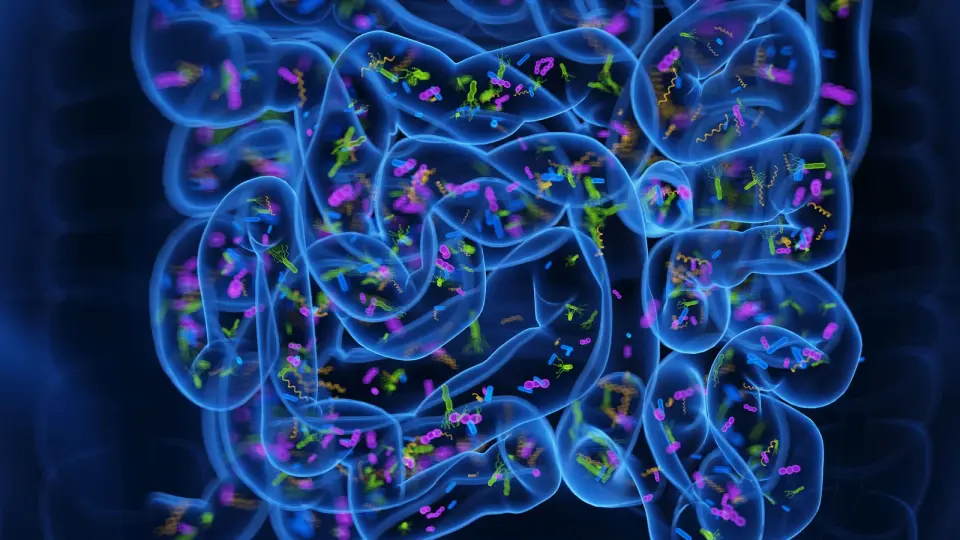
A new randomized, double-blind, placebo-controlled trial published in the Journal of Internal Medicine suggests that ingesting capsules containing fecal microbes from healthy donors can significantly improve sleep efficiency and quality in adults with chronic insomnia. The study, led by researchers at Peking University, provides early clinical evidence that targeting the gut microbiome may offer a novel therapeutic strategy for sleep disorders, reinforcing the role of the gut-brain axis in regulating human sleep.
Key points
- A randomized, double-blind, placebo-controlled trial published in the Journal of Internal Medicine found that fecal microbiota transplantation (FMT) via capsules improved sleep outcomes in patients with chronic insomnia.
- One month after treatment, participants receiving FMT capsules showed significantly higher sleep efficiency and reduced wake after sleep onset, as measured by overnight polysomnography.
- Patient questionnaires indicated that sleep quality scores improved from 2 to 6 months in the intervention group compared with the placebo group.
- Co-corresponding author Yanping Bao, PhD, of Peking University, stated that the findings provide clinical evidence that targeting the gut microbiota may offer a promising new therapeutic strategy for chronic insomnia disorder.
- The study strengthens the understanding of the gut-brain axis as an important regulator of human sleep, according to the researchers.
Background
Recent research has increasingly highlighted the gut-brain axis as a critical pathway for various physiological and cognitive functions. For instance, a 2026 Stanford study demonstrated that age-related memory loss in mice could be driven by gut microbiome changes that weaken vagus nerve signals to the hippocampus, with interventions restoring memory performance. Additionally, a 2026 Cleveland Clinic study linked elevated levels of TMAO, a byproduct of gut bacteria digestion of nutrients in red meat, to a higher risk of atrial fibrillation, suggesting that gut microbial metabolites can influence cardiac electrical environments. These findings, along with the current study, underscore the growing scientific consensus that gut microbiome composition can significantly impact systemic health, including neurological and sleep-related functions.
How outlets are covering it
Live Science and Medical Dialogues both report on the same randomized clinical trial published in the Journal of Internal Medicine, confirming the study's design and primary outcomes. Live Science emphasizes the potential of 'poop pills' as a novel approach to easing insomnia by reprogramming the gut microbiome, while Medical Dialogues focuses on the clinical evidence that targeting the gut microbiota may offer a promising new therapeutic strategy for chronic insomnia disorder. Both outlets highlight the significance of the gut-brain axis in regulating sleep, but Live Science frames the finding as an early hint, whereas Medical Dialogues presents it as clinical evidence. Neither outlet reports on any disagreements or alternative interpretations of the study's results.
Why it matters
This study provides early clinical evidence that fecal microbiota transplantation could be a viable therapeutic option for chronic insomnia, a condition that affects millions of people worldwide and is often resistant to conventional treatments. By demonstrating that altering the gut microbiome can improve sleep efficiency and quality, the research opens the door for novel, non-pharmacological interventions that target the gut-brain axis. If further studies confirm these findings, FMT could offer a new avenue for treating sleep disorders, potentially reducing reliance on sedatives and other medications that may have significant side effects. Additionally, the study reinforces the broader scientific understanding of the gut-brain axis, which has implications for treating other neurological and psychiatric conditions.
What to watch
The next steps will likely involve larger, multi-center randomized controlled trials to confirm the efficacy and safety of fecal microbiota transplantation for chronic insomnia. Researchers will also need to identify specific microbial strains or metabolites responsible for the observed improvements in sleep outcomes, which could lead to the development of more targeted, standardized treatments. Additionally, long-term follow-up studies will be necessary to assess the durability of the sleep improvements and any potential side effects. Regulatory approval for FMT as a treatment for insomnia will depend on the results of these subsequent studies and the establishment of clear safety and efficacy guidelines.
Want the full story? Read the original reporting
Read on livescience.com