A new study suggests that eating 40 grams of walnuts daily for eight weeks can improve mood and sleep quality in young adults. The research links these benefits to increased serotonin metabolites and melatonin markers, though experts caution that walnuts are not a cure for clinical disorders.
A new study from University College Cork finds that both caffeinated and decaf coffee alter gut bacteria, influencing mood and cognition. Decaf improved memory, while caffeinated coffee reduced anxiety. The research highlights coffee's role in the gut-brain connection beyond caffeine.
Experts explain what probiotics are, when they might help, and how to pick the right strain. Probiotics can support digestion, the gut barrier, and immune function, with evidence strongest for conditions like IBS, antibiotic-associated diarrhea, ulcerative colitis, and pouchitis; they may also influence immune health, mood, and skin. Most healthy people with a varied, fiber-rich diet don’t need daily probiotics, so prioritize fermented foods (yogurt, kefir, kimchi) before supplements. Signs you might benefit include persistent bloating, gas, abnormal bowel habits, recent antibiotic use, frequent infections, skin flare-ups, mood or brain fog issues, or lactose intolerance. When choosing a product, strain specificity, third-party testing, and clinical backing matter; examples include VSL#3 for GI conditions and VSL#4 for maintenance. Always consult a clinician if you’re immunocompromised or have other health concerns.
A large systematic review of 23 studies covering about 1.9 million people links ADHD to a 48% higher odds of experiencing functional gastrointestinal symptoms (eg, IBS, constipation, abdominal pain, diarrhea, indigestion, encopresis). While the exact cause isn’t established, potential factors include ADHD-related stress and emotional dysregulation, irregular eating, sensory food sensitivities, interoception differences, stimulant medications, sleep disturbances, and gut microbiome differences. Clinicians should consider GI symptoms when managing ADHD, as these issues can significantly affect quality of life.
In mice, gut infections drive CD4+ T cells to migrate to the brain’s meninges, where they become resident and respond more strongly to a second infection weeks later, revealing a gut–brain immune connection and potential implications for neurological disease.
A multi-institution study fed aged mice plasmalogens derived from sea squirts, which led to improved learning in a memory task, more and healthier synapses, reduced brain inflammation, and even thicker hair, suggesting plasmalogens could support neuroregeneration and counter cognitive aging—though human applicability and safety remain to be tested.
Animal research suggests intermittent fasting strengthens the gut lining and increases the bacterium Alistipes finegoldii, which boosts hippuric acid to dampen the STING inflammatory pathway in the nervous system, potentially reducing chronic pain and cognitive symptoms; however, human studies are needed to confirm causation and safe fasting protocols.
A Porto-led study with 200 healthy adults found correlations between higher psychopathy scores and certain gut bacteria (Allisonella, Prevotella, Cloacibacillus evryensis), suggesting a biological footprint beyond brain-based models. The researchers caution the results show correlation, not causation, and peer review is pending.
A small, first-of-its-kind study from University of Porto suggests a link between gut microbiota and psychopathic traits: stronger psychopathy scores correlated with higher abundances of Allisonella, Prevotella, and C. evryensis and lower levels of T. vincentii. The findings are correlational and based on a small, self-reported sample, so causality cannot be established; authors caution that further, cross-regional research is needed to understand the microbiome–brain connection and potential bidirectional effects.
A small, non-peer-reviewed study from the University of Porto reports a correlational link between specific gut and oral bacteria (Allisonella, Prevotella, and C. evryensis) and psychopathic traits in 200 adults. The researchers caution that the study is correlational with a small sample and potential biases, so causality cannot be established and results may vary by geography or self-report biases; more research is needed to explore how the gut microbiome might influence extreme behavior, if at all.
In an early Translational Psychiatry study, researchers analyzed 200 healthy adults and found that higher levels of certain gut and oral bacteria (Allisonella, Prevotella, Cloacibacillus evryensis) correlated with stronger psychopathic traits, while Treponema vincentii showed a negative association. The work does not show causation and is not yet peer-reviewed, but suggests microbiota could serve as biomarkers for psychopathic traits and potentially influence behavior via inflammation or neurotransmitter pathways like GABA.
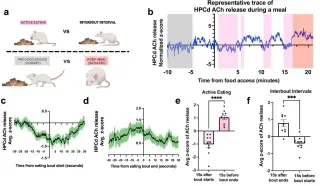
A US study published in Nature Communications suggests that signals from the digestive system, carried by the vagus nerve, can influence memory formation in rats, linking dietary choices to how the brain encodes memories.
A USC-led rat study shows a nutritious meal triggers a gut-to-brain signal via the vagus nerve that boosts acetylcholine release in the medial septum and hippocampus, strengthening memory-related brain activity; fats and sugars intensified the effect while a Western junk-food diet early in life weakened it. The effect depends on intact vagal afferents and septal acetylcholine neurons, and may not translate directly to humans, but points to gut-brain targets and vagus nerve stimulation as potential therapies—though further research is needed and the study used male rats only.
A rat study shows the vagus nerve senses gut state during eating and triggers acetylcholine release in the brain, supporting attention and memory; disrupting this pathway impairs cognitive signaling, and a Western-style high-fat/high-sugar diet may further weaken it, offering clues about diet-related cognitive decline and aging-related diseases like dementia.
Researchers propose a Trigger–Gateway–Hub–Effector framework showing how gut dysbiosis and microbiota-derived signals may disrupt the intestinal barrier, ENS signaling, and gut motility, contributing to constipation; therapies aiming to rebalance the microbiota, modulate immune or neural responses, or protect enteric neurons—via probiotics, prebiotics, or fecal transplants—are being explored, though human mechanistic data remains limited and evidence is moderate.