
Poo pills show promise for peanut allergy in small trial
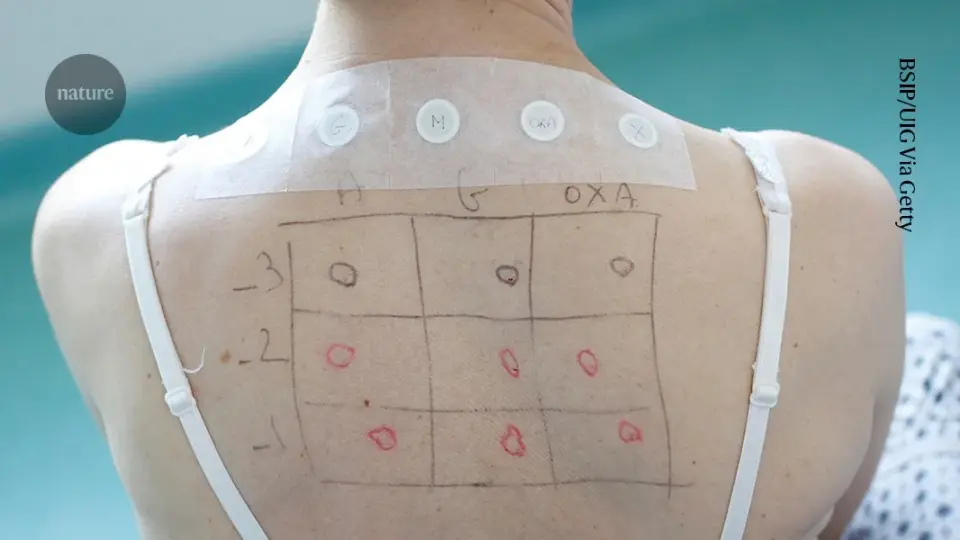
A Phase 1 trial at Boston Children’s Hospital found that oral fecal microbiome transplants (FMT) increased peanut tolerance in six of 15 participants. Published in Science Translational Medicine, the study suggests gut bacteria may modulate immune responses to allergens, offering a potential alternative to current avoidance-based treatments.
Key points
- Six of 15 participants in a Phase 1 trial at Boston Children’s Hospital showed increased tolerance to peanuts up to four months after receiving oral fecal microbiome transplants (FMT).
- Participants initially reacted to less than 100 mg of peanut protein; responders later tolerated up to 600 mg, equivalent to roughly two to three peanuts.
- The treatment involved 36 odorless, tasteless capsules containing gut bacteria from healthy donors, administered in a single day.
- Five participants received antibiotics before FMT to clear existing gut bacteria, potentially improving donor bacterial colonization.
- No severe adverse events were reported, though some participants experienced mild side effects like fatigue, diarrhea, or headache.
- Mice studies showed that FMT from human responders protected against egg protein allergies, suggesting broad applicability beyond peanuts.
Background
Current food allergy management relies on strict avoidance and emergency epinephrine injections, with limited disease-modifying therapies. Oral immunotherapy exists but requires ongoing exposure and often loses efficacy upon discontinuation. Recent research links food allergies to low levels of specific gut bacteria, such as Bacteroidales, which have been shown to protect against allergies in mouse models. This trial builds on that evidence, testing whether FMT can alter the gut microbiome to reduce allergic reactions in humans.
How outlets are covering it
Nature and STAT emphasize the excitement around sustained tolerance, noting that current therapies often lose efficacy over time. Fierce Biotech highlights the potential for FMT to work across multiple allergens, citing mouse studies with egg protein. New Scientist raises concerns about the small, open-label design, suggesting placebo effects could influence results. All sources agree that while promising, the treatment is not yet ready for widespread use, and larger randomized trials are needed to confirm efficacy and long-term safety.
Why it matters
Food allergies affect millions of people, with limited treatment options beyond avoidance. If FMT proves effective in larger trials, it could offer a one-time treatment that provides lasting protection, reducing the burden of daily management and emergency preparedness. This could transform care for peanut and other food allergies, potentially expanding to other allergens based on microbiome mechanisms.
What to watch
A Phase 2 trial is underway in children aged 12–17, using a randomized, placebo-controlled design to better assess efficacy. Researchers are also investigating the role of bile acid metabolites and Bacteroidales bacteria in mediating the protective effect. Future studies will determine long-term safety, optimal dosing, and whether FMT can be applied to other food allergies.
- First poo transplant to treat food allergy in people has ‘exciting’ results Nature
- Could poop pills be the next treatment for food allergies? STAT
- Fecal transplant increases tolerance to peanuts sixfold in small food allergy trial Fierce Biotech
- Swallowing faecal capsules reduces peanut allergy in six adults New Scientist
- Fecal Microbiota Transplant Boosts Peanut Tolerance in Phase 1 Trial HCPLive
Want the full story? Read the original reporting
Read on Nature