
Italian Study Links GLP-1 Discontinuation to Doubled Cardiovascular Risk in Type 2 Diabetes
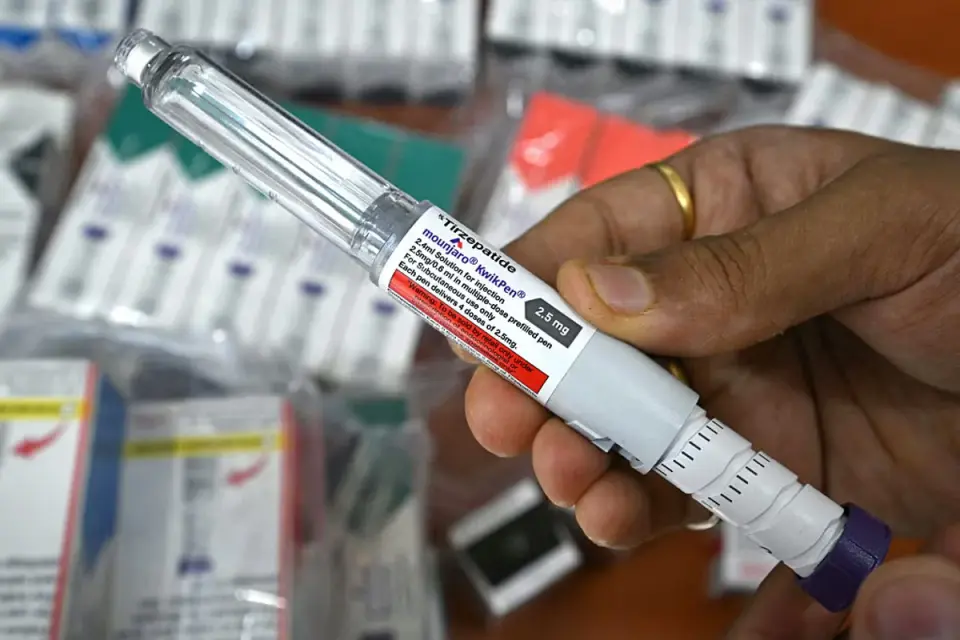
A large observational study published in The Lancet Regional Health Europe indicates that discontinuing GLP-1 receptor agonist therapy may double the risk of heart attack, stroke, or death in patients with type 2 diabetes. Analyzing data from over 80,000 patients across 301 Italian clinics, researchers found that those who stopped treatment faced a cardiovascular event rate of 3.94 per 100 person-years, compared to 1.96 for those who continued. While the association was stronger in patients with a BMI over 30, experts caution that the study cannot prove causation, as individuals who stopped treatment may have had pre-existing health issues or stopped due to illness. The findings highlight the potential long-term benefits of GLP-1 drugs beyond weight loss but emphasize the need for further research to distinguish between direct drug effects and underlying patient health status.
Key points
- The study analyzed 80,302 patients with type 2 diabetes who started GLP-1 therapy between 2004 and 2024 in Italy.
- Patients who discontinued treatment had a combined risk of non-fatal heart attack, stroke, or death of 3.94 per 100 person-years, versus 1.96 for those who continued.
- The risk of death from any cause was 2.23 per 100 person-years for those who stopped, compared to 0.48 for those who stayed on treatment.
- The association between stopping treatment and increased risk was stronger in patients with a BMI of 30 or higher (hazard ratio 2.27) than in those below 30 (hazard ratio 1.61).
- Researchers noted that the high risk may not be solely due to drug withdrawal, as patients who stopped treatment might have had underlying health problems or stopped due to illness.
Background
Recent coverage has highlighted the rapid weight regain associated with stopping weight-loss medications, as noted in a January 2026 study. Additionally, earlier archive articles from November 2026 discussed the psychological and metabolic impacts of discontinuing GLP-1 therapy, emphasizing the need for long-term management strategies. This new study adds to the growing body of evidence regarding the cardiovascular benefits of GLP-1 drugs, which are increasingly recognized for their potential to reduce inflammation and improve blood vessel function.
How outlets are covering it
The Independent and The Pharmaceutical Journal both report on the same study, highlighting the doubled risk of cardiovascular events for those who stop GLP-1 therapy. However, The Pharmaceutical Journal provides more detailed statistical breakdowns, such as the specific rates of death and the hazard ratios based on BMI. Both sources emphasize the observational nature of the study and the caution required in interpreting the results. Dr. Sonya Babu-Narayan from the British Heart Foundation and Faye Riley from Diabetes UK both stress the importance of not stopping treatment without medical advice, while Juliet Bouverie from the Stroke Association highlights the broader context of stroke risk factors. The sources agree that while the findings are concerning, they do not prove causation and may be influenced by other factors, such as the reason for discontinuation.
Why it matters
The findings underscore the critical role of GLP-1 drugs in managing type 2 diabetes and their potential benefits for cardiovascular health. As these medications become more widely used, understanding the risks associated with discontinuation is essential for patient safety. The study highlights the need for further research to clarify whether the increased risk is due to the withdrawal of the drug or the underlying health status of the patients. This information is crucial for healthcare providers and patients in making informed decisions about long-term treatment plans.
What to watch
Further research is needed to determine the causal relationship between GLP-1 discontinuation and increased cardiovascular risk. Clinical trials may be necessary to isolate the effects of the drug from other factors, such as the reason for stopping treatment. Additionally, healthcare providers may need to develop strategies to support patients in staying on GLP-1 therapy, particularly those who are at higher risk of cardiovascular events. The findings may also influence future guidelines for the use of GLP-1 drugs in patients with type 2 diabetes and obesity.
- New study uncovers little-known risk of stopping weight-loss injections The Independent
- What Happens to the Heart When You Stop Using the “Weight Loss Injection”? Yahoo Life UK
- Stopping GLP-1s linked to twice the risk of heart attack, stroke or death in type 2 diabetes The Pharmaceutical Journal
- Stopping Ozempic may be bad for your health Medical Xpress
- 'Double heart attack risk' warning for people on Wegovy and Mounjaro The Mirror
Want the full story? Read the original reporting
Read on The Independent