
Lung Cancer Remains Global Leader in Diagnosis and Death, Driven by Smoke, Pollution, and Radon
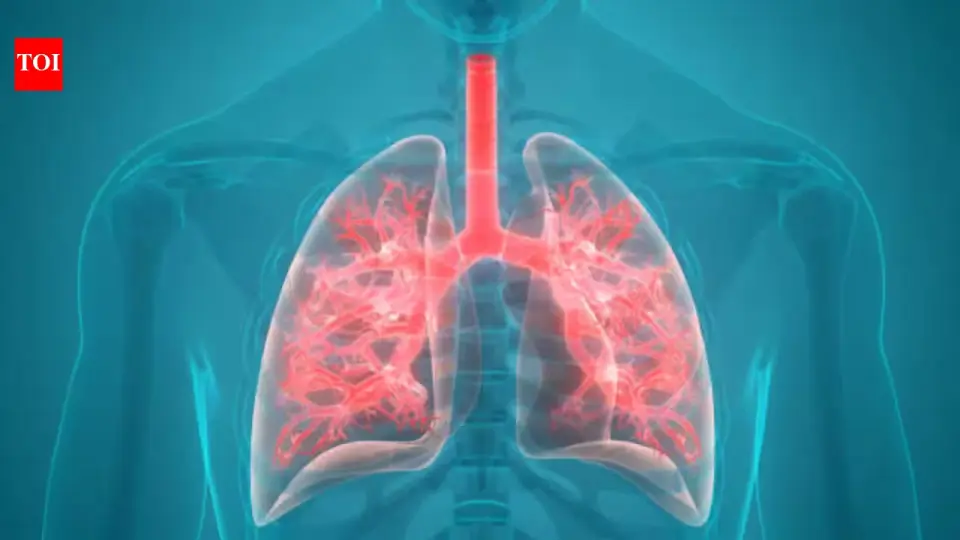
Lung cancer is the world’s most common cancer and leading cause of cancer death, with 2.6 million new cases in 2024. While smoking is the primary risk factor, 15-25% of cases occur in non-smokers due to air pollution, radon, and occupational exposures. Experts emphasize that early detection and avoiding environmental carcinogens are critical for reducing mortality, as survival rates improve significantly when the disease is caught early.
Key points
- Lung cancer accounts for approximately 12.8% of all global cancer diagnoses, with 2.6 million new cases reported in 2024.
- Smoking is the leading cause, but 15-25% of cases occur in non-smokers, linked to air pollution, radon, and genetic factors.
- Radon, a natural radioactive gas, is cited by the US EPA as the second-leading cause of lung cancer in the United States.
- Five-year survival rates have risen from 13% in the 1970s to 29.7% today, reaching 65% for localized cases detected early.
- Preventive measures include avoiding second-hand smoke, testing for radon in homes, and adhering to workplace safety protocols for carcinogens.
Background
Recent archive coverage noted that colorectal cancer has overtaken lung cancer as the second leading cause of cancer death in the US, driven by a surge in younger patients. However, lung cancer remains the global leader in both diagnosis and mortality. This shift in the US ranking highlights changing cancer dynamics, but lung cancer’s global burden persists due to widespread tobacco use and environmental exposures.
How outlets are covering it
The Times of India, citing Dr. Kalyani Premchandra, focuses on the seven major risk factors, emphasizing that non-smokers are not immune due to air pollution and radon. Midland Health’s Patricia Spiser highlights the social stigma associated with lung cancer, noting that 20% of cases are unrelated to smoking and that quitting is often a multi-attempt process. Sanjay Popat, speaking at ESMO 2026, provides a scientific perspective on non-smoker lung cancer, explaining how inhaled toxins like PM2.5 act as promoters for genetic mutations in airway cells. While the Times and Midland Health focus on prevention and stigma, Popat details the biological mechanisms and new diagnostic tools like ctDNA that improve treatment speed and efficacy.
Why it matters
Understanding that lung cancer affects non-smokers is crucial for broadening screening efforts and reducing public stigma. With 2.6 million new cases globally, identifying preventable risks like radon and air pollution can significantly lower incidence. Early detection remains the most effective way to improve survival, making awareness of symptoms and access to screening vital for public health outcomes.
What to watch
Health authorities are expected to continue promoting radon testing and air quality monitoring. In the UK, ctDNA testing is now funded for all suspected advanced lung cancer cases, potentially accelerating treatment. Globally, efforts to reduce occupational exposures and improve early detection methods will likely intensify to address the rising cases in non-smokers.
- Lung cancer is the world’s most commonly diagnosed cancer and the leading cause of cancer deaths: Oncologist explains 7 major risk factors, including smoking, second-hand smoke, air pollution and radon, and practical ways to reduce risk The Times of India
- The Stigma of Lung Cancer Midland Health Midland, Texas
- Leigh Ann's Story: Surviving Lung Cancer Without Chemo or Radiation Cone Health
- The hidden role of genetics in lung cancer The East County Californian
- ESMO 2026: Lung Cancer Breakthroughs – Sanjay Popat EMJ
Want the full story? Read the original reporting
Read on The Times of India