
Nearly 30% of US Adults Admit to Faking Symptoms to Secure Antibiotics, Fueling Resistance Crisis
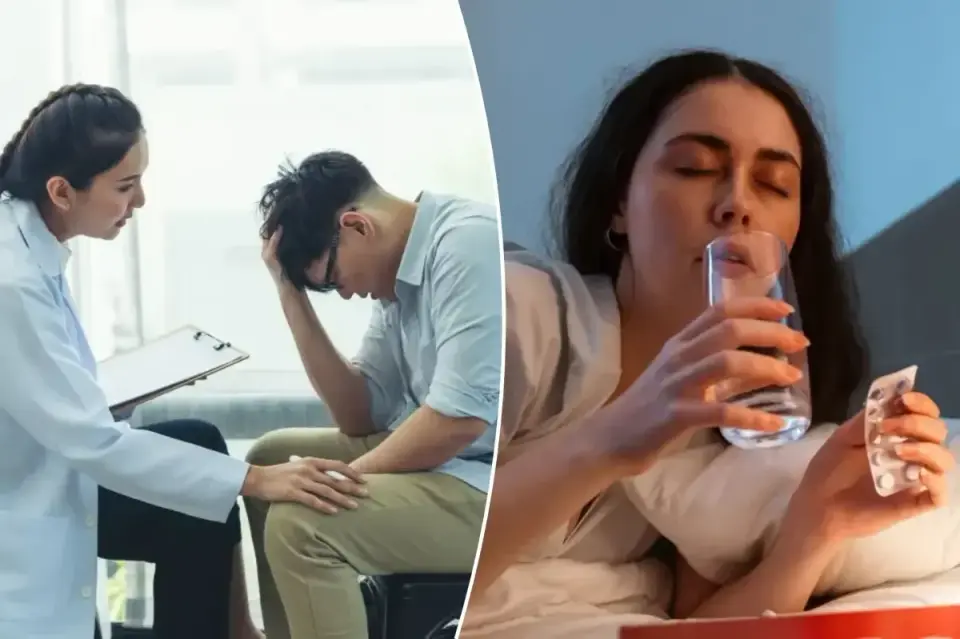
A new study in JAMA Network Open reveals that nearly 30% of US adults have misrepresented symptoms to obtain antibiotics, often for viral infections like colds. While patients cite pain and work pressure as motivations, clinicians often acquiesce, raising concerns about antibiotic resistance and eroding trust.
Key points
- Survey of 959 adults found 28% misrepresent symptoms to get antibiotics; 27% of caregivers did the same for children.
- Most lies involved cold symptoms (65.7%), which are viral and not treatable by antibiotics.
- 77% of adult patients and 87% of caregivers reported their lies successfully resulted in a prescription.
- Motivations include severe pain, returning to work, and a desire for medical autonomy.
- CDC data shows drug-resistant infections caused 9.7 million cases and 50,800 deaths in the US in 2023.
Background
Antibiotic resistance has been a growing public health concern since the discovery of penicillin. Recent CDC reports highlight a sharp rise in resistant infections, with deaths from drug-resistant germs increasing from 35,000 in 2017 to 50,800 in 2023. This issue follows earlier warnings about the 'dark ages of medicine' where common infections could become deadly due to ineffective treatments.
How outlets are covering it
The New York Post emphasizes the patient's role in driving resistance through dishonesty, citing former UK PM David Cameron’s warning. Ars Technica highlights the 'bad' nature of these lies, noting that the symptoms faked (like colds) are not bacterial, and criticizes clinicians for prescribing anyway, which Linder calls a form of 'dishonesty' that erodes trust. Live Science focuses on the statistical prevalence and the lack of regret among patients, noting that only 30% regretted the action. The American Council on Science and Health frames the issue as a breakdown in the doctor-patient relationship, arguing that patient autonomy is being confused with entitlement, and that physicians are failing to uphold their duty to act in the patient's best interest despite pressure.
Why it matters
This behavior accelerates the development of antibiotic-resistant bacteria, potentially rendering common infections untreatable. The widespread success of these lies (77-87%) indicates a systemic failure in antibiotic stewardship, threatening global health security and increasing healthcare costs through the need for more toxic or expensive alternative treatments.
What to watch
Researchers call for improved communication strategies between clinicians and patients to address concerns without resorting to unnecessary prescriptions. Clinicians are urged to prioritize patient well-being over immediate satisfaction, while public health efforts may need to focus on educating patients about the risks of antibiotic misuse and the reality of resistance.
- 1 in 4 Americans make dangerous mistake that could help return to ‘dark ages of medicine’ New York Post
- Over 25% of people lie to get antibiotics—and their lies aren’t even good Ars Technica
- Nearly 30% of US adults admit to lying about or exaggerating their symptoms to get antibiotics from doctors, survey finds Live Science
- Dr. House was right: patients lie American Council on Science and Health
- Parents Mislead Doctors to Get Antibiotics for Kids Medscape
Want the full story? Read the original reporting
Read on New York Post