
Nutritionists Debate Garlic vs. Broader Diet Strategies for Immune Health
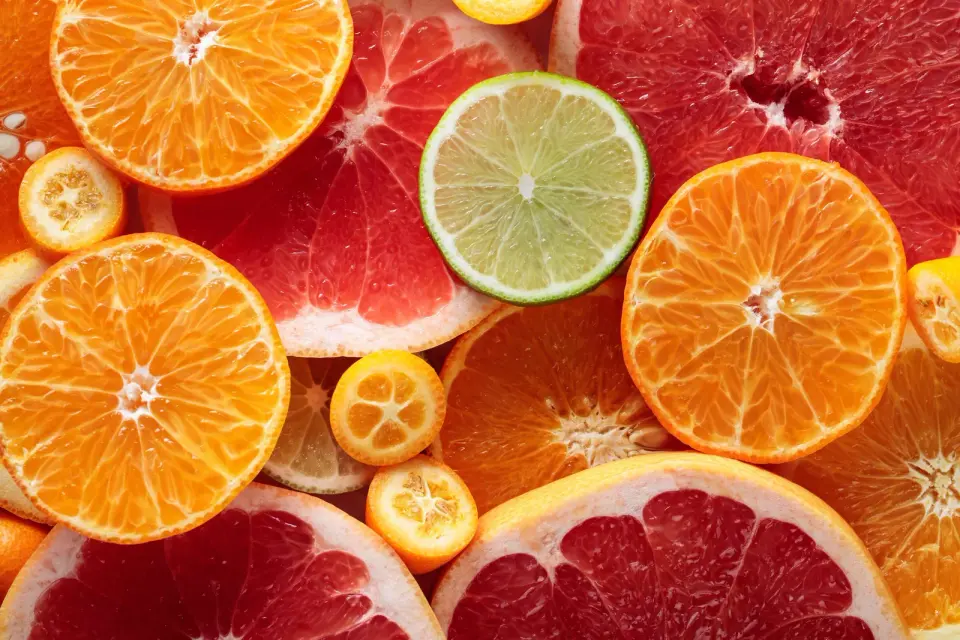
As autumn approaches, multiple outlets highlight dietary strategies to support immune function, moving beyond the traditional focus on garlic. While one source ranks citrus, bell peppers, yogurt, leafy greens, and fatty fish as superior to garlic, others emphasize a broader range of foods including mushrooms, beans, and spices. Experts agree that consistent nutrient intake, rather than short-term 'boosting,' is key to maintaining immune regulation and reducing inflammation.
Key points
- AOL.com identifies five foods that may offer greater immune benefits than garlic: citrus fruits (for vitamin C), bell peppers (for beta-carotene and lycopene), yogurt (for probiotics), leafy greens (for vitamins A, C, and K), and fatty fish (for omega-3s).
- Physicians Committee for Responsible Medicine features Dr. Niki Davis, who highlights mushrooms (beta-glucans), legumes (fiber for butyrate production), leafy/cruciferous vegetables, berries, and sweet potatoes as top picks.
- Vogue cites nutritionists Maz Packham and Jess Shand, who argue against 'boosting' the immune system overnight. Instead, they advocate for daily nutrient regulation, emphasizing vitamin D, zinc, protein, and anti-inflammatory spices like ginger and turmeric.
- Community Voice KS lists 12 foods, including fatty fish, citrus, berries, broccoli, bell peppers, spinach, yogurt, almonds, sunflower seeds, garlic, ginger, and turmeric, noting that garlic’s allicin supports white blood cell response.
- All sources agree that a balanced diet rich in whole foods, fiber, and antioxidants helps reduce inflammation and supports gut health, which is linked to immune function.
Background
Previous coverage has established that garlic is a popular, though not exclusive, recommendation for immune support. Recent discussions have shifted toward holistic dietary patterns and the role of gut microbiome health in immune regulation.
How outlets are covering it
Outlets differ in their specific food recommendations and underlying philosophy. AOL.com and Community Voice KS focus on specific nutrient-dense foods (citrus, peppers, fish) as direct alternatives or complements to garlic. Physicians Committee emphasizes plant-based options like mushrooms and legumes, highlighting the role of fiber and beta-glucans. Vogue takes a more behavioral approach, warning against the concept of 'boosting' immunity and instead stressing the importance of consistent, regulated nutrient intake, including vitamin D and zinc, which are harder to obtain from food alone. While all agree on the importance of anti-inflammatory foods, they vary in whether they prioritize specific vitamins (C, A, E) or broader lifestyle factors like sleep and stress management.
Why it matters
Understanding which foods support immune function can help individuals make informed dietary choices during cold and flu season. The consensus that immune health relies on consistent, balanced nutrition rather than single 'magic' foods underscores the importance of long-term dietary habits over short-term supplementation.
What to watch
Consumers are encouraged to diversify their diets by incorporating a variety of colorful, nutrient-dense foods. Experts recommend focusing on regular intake of vitamin C, D, and zinc, along with probiotic-rich foods and anti-inflammatory spices, to maintain immune regulation throughout the year.
- 5 Foods That Boost Immunity Better Than Garlic AOL.com
- Five Foods Proven to Boost Your Immune System | Dr. Niki Davis Physicians Committee for Responsible Medicine
- Simple Food Swaps To Help You Swerve A Cold This Winter Vogue
- 12 Foods That Help Boost Your Immune System www.communityvoiceks.com
- Avoid getting ill with cold or flu this winter with health expert's five tips The Mirror
Want the full story? Read the original reporting
Read on AOL.com