Tag

Omega 3

All articles tagged with #omega 3

Salmon skin: a nutrient boost with sensible cautions
health1 month ago

Salmon skin: a nutrient boost with sensible cautions

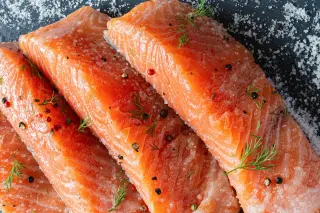
Salmon skin is edible and packs a protein-rich, omega-3 fatty acid boost (DHA and EPA) that supports heart and brain health; you can enjoy it crispy or as a garnish, and it can enhance meals if you like the texture. However, there are caveats: wild salmon can contain small amounts of mercury, smoked or canned salmon adds sodium, and because salmon oil acts as a natural anticoagulant, people on blood thinners should consult a clinician. If you don’t like the skin, you can remove it or eat it separately; overall moderation fits into a heart-healthy pattern.

Most heart-health supplements lack proven benefits, experts say
health1 month ago

Most heart-health supplements lack proven benefits, experts say

Experts caution that most dietary supplements marketed for heart health do not prevent cardiovascular disease in healthy individuals and should not replace proven medications. Large trials show fish oil doesn’t reduce major events, while other supplements (CoQ10, garlic, magnesium, red yeast rice) often show no clear benefit and can carry risks; psyllium fiber may modestly lower cholesterol. Regulation under DSHEA allows broad health claims, which can mislead consumers. For heart health, prioritize proven steps: monitor cholesterol and blood pressure, follow a Mediterranean or DASH diet rich in fruits, vegetables and potassium, get about 150 minutes of moderate exercise weekly, and avoid smoking.

Salmon, reimagined: experts rate the healthiest ways to enjoy the pink fish
health1 month ago

Salmon, reimagined: experts rate the healthiest ways to enjoy the pink fish

The piece evaluates how different salmon preparations—raw (sushi/sashimi/poké), poached, smoked, baked, grilled, as well as dishes like fish pie, salmon burgers, en croûte, and tinned salmon—affect fat, calories and omega-3 content, noting skin-on can boost nutrients and moisture. It discusses safety considerations (parasite risks with raw fish and high salt in smoked salmon), pregnancy and NHS guidelines on weekly oily-fish portions, and highlights how pairing salmon with fiber-rich carbs and veggies can boost nutrient absorption and overall health.

Kefir-Fiber Synbiotic Outperforms Omega-3 in Reducing Inflammation
health1 month ago

Kefir-Fiber Synbiotic Outperforms Omega-3 in Reducing Inflammation

A Nottingham-led study found a synbiotic made from fermented kefir plus a diverse prebiotic fiber mix reduced systemic inflammation far more than omega-3 supplements or fiber alone. Over six weeks, the kefir+fiber group lowered inflammatory markers 75% more than fiber alone and 250% more than omega-3s, likely due to probiotic-prebiotic synergy across 92 inflammatory proteins.

Lean, Not Processed: GI Doctor's Gut-Friendly Meat Guide
health1 month ago

Lean, Not Processed: GI Doctor's Gut-Friendly Meat Guide

A gastroenterologist warns that ultra-processed, high-saturated-fat meats like bacon, sausage, and pepperoni delay gastric emptying, can worsen reflux, and may inflame the gut or raise colorectal cancer risk. The gut-friendly options are lean, minimally processed meats such as poultry and fish, which digest more easily and can offer anti-inflammatory omega-3 benefits. Beef isn’t off-limits, but should be chosen mindfully with moderate portions and less processing.

Dietary Fat Shifts in Cooking Oils May Slow Prostate Cancer Growth, Small Study Suggests
lifestyle1 month ago

Dietary Fat Shifts in Cooking Oils May Slow Prostate Cancer Growth, Small Study Suggests

A small UCLA-led trial in men with early prostate cancer on active surveillance found that reducing omega-6 fats and increasing omega-3 fats (via diet and fish oil) correlated with slower cancer cell growth, evidenced by lower Ki-67 after one year; PSA and tumor grade didn’t change. The study isn’t proof and larger, longer research is needed, but practical steps include cutting fried/ultra-processed foods and eating fatty fish regularly.

Omega-3 Supplements Linked to Lower Aggression in Large Review
science2 months ago

Omega-3 Supplements Linked to Lower Aggression in Large Review

A 2024 meta-analysis of 29 randomized controlled trials (3,918 participants) found that omega-3 supplementation (fish oil) can reduce aggression by up to 28% in the short term across diverse ages and settings, with trials averaging 16 weeks and showing reductions in both reactive and proactive aggression; longer-term studies are needed to confirm and extend these findings.

Vitamin D and Omega-3 Might Outperform Antidepressants in Depression Research
health2 months ago

Vitamin D and Omega-3 Might Outperform Antidepressants in Depression Research

Meta-analyses cited by a researcher suggest vitamin D and omega-3 supplements may reduce depressive symptoms more than common antidepressants: amitriptyline shows an effect size of about 0.417 vs placebo, omega-3 around 0.558 (1500 mg/day with at least 60% EPA), and vitamin D about 1.82 (5000 IU/day). These findings come from Cipriani 2018 (antidepressants), Sublette 2011+ (omega-3), and Ghaemi 2024 (vitamin D), but all estimates carry large uncertainty and official doses are blamed as “too low.” While supplements are cheap and generally safe, some caveats apply (kidney stones or blood thinners require medical advice). More research is needed, but the article argues trying these might be reasonable for some people under supervision.

health2 months ago

Omega-3 Supplements Linked to Higher Atrial Fibrillation and Stroke Risk in Healthy Adults

A BMJ study of about 400,000 UK Biobank participants found healthy adults taking fish-oil omega-3 supplements had higher risks of atrial fibrillation (roughly 13%) and stroke (about 5%), though causation isn’t proven and results vary for those with existing heart conditions; experts note missing data on supplement type and dosage and urge cautious interpretation, while NHS guidelines still encourage consuming two portions of fish weekly.

Study Links Nutrient Deficiency to Increased Heart Disease Risk
health3 months ago

Study Links Nutrient Deficiency to Increased Heart Disease Risk

A new study warns that over 75% of the global population is not meeting recommended omega-3 intake levels, particularly EPA and DHA, which are crucial for heart health, cognitive function, and inflammation control. Low omega-3 levels are linked to increased risks of heart attacks, strokes, cognitive decline, and autoimmune issues. To improve levels, consuming oily fish like salmon and sardines or taking supplements, with personalized dosing based on blood tests, is recommended.