Tag

Vitamin C

All articles tagged with #vitamin c

Vitamin C in Blood Linked to Healthier Aging Brain, Large Study Finds
health28 days ago

Vitamin C in Blood Linked to Healthier Aging Brain, Large Study Finds

A study of 2,044 older adults (median age 69) found that higher blood vitamin C levels are associated with healthier brain structure—higher grey matter volume—and stronger connectivity in the brain's default mode network on MRI, even after adjusting for age and health factors. The study is observational (cross-sectional), so it shows association, not causation, and researchers caution that vitamin C is not a dementia cure. The article notes vitamin C’s antioxidant role and involvement in neurotransmitter production, and suggests obtaining vitamin C through a balanced diet (e.g., citrus, amla, guava, kiwifruit, peppers, leafy greens) rather than unsupervised supplementation.

Vitamin C Linked to Preserved Brain Structure in Aging, Study Finds
science1 month ago

Vitamin C Linked to Preserved Brain Structure in Aging, Study Finds

A large cohort study of 2,044 Japanese adults aged 64+ found that lower plasma vitamin C levels were associated with reduced gray matter volume and weaker connectivity in the brain’s default mode network, suggesting nutrition may influence brain aging. The findings show associations, not causation, and the researchers call for longer-term, more diverse studies to understand underlying mechanisms.

Vitamin C linked to preserved brain structure in older adults
health1 month ago

Vitamin C linked to preserved brain structure in older adults

In a Japanese study of about 2,000 older adults, higher blood plasma vitamin C levels were linked to better-preserved brain gray matter and stronger connectivity in the default mode network, even after adjusting for age, smoking, diabetes and other factors. While the finding suggests vitamin C status may play a role in brain health, the study is observational and cannot prove causation, with limitations including a single blood measurement and limited generalizability beyond older Japanese adults. The results highlight dietary vitamin C sources rather than supplements as a potential piece of the broader brain-health puzzle.

Vitamin C May Help Preserve Brain Structure in Older Adults
health1 month ago

Vitamin C May Help Preserve Brain Structure in Older Adults

A Japanese observational study of 2,044 older adults found higher blood levels of vitamin C were linked to healthier brain structure—larger gray matter volume and stronger connectivity in the brain’s default mode network—independently of age, smoking, diabetes, and other factors. The study used plasma measurements rather than dietary estimates and cannot prove causation. Researchers caution results may not generalize beyond mostly older Japanese participants and note limitations like a single blood measurement; they suggest maintaining vitamin C through diet (citrus, berries, tomatoes, leafy greens) as a potential way to support brain health, while calling for more research.

Blood Vitamin C Linked to Stronger Brain Connectivity in Aging
science1 month ago

Blood Vitamin C Linked to Stronger Brain Connectivity in Aging

A study of 2,044 older Japanese adults found that higher blood levels of vitamin C are associated with greater gray matter volume and stronger connectivity in the brain's default mode network, suggesting vitamin C may help support brain health and potentially slow age-related cognitive decline, though causation isn't proven and replication in longitudinal, diverse groups is needed.

Cheap frozen and canned produce can match fresh nutrition—watch for additives
health1 month ago

Cheap frozen and canned produce can match fresh nutrition—watch for additives

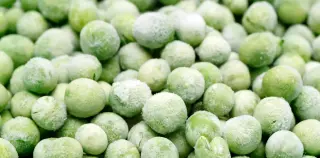
Amid cost‑of‑living pressures, frozen and canned fruit and vegetables are cheaper, last longer and can largely match the nutrition of fresh options for most nutrients; freezing preserves nutrients well and can even boost vitamin C in some cases, while canning can reduce certain water‑soluble vitamins. There's a small risk of Listeria with some frozen products, mitigated by cooking. When shopping, choose no‑salt‑added or juice‑packed options, drain and rinse to lower sodium, and use dried beans/lentils for value; dried fruit should be limited due to high sugar content. Overall, these pantry staples can substitute for fresh in many meals with mindful choices and preparation.

Low Vitamin C Levels Linked to Reduced Gray Matter and Brain Connectivity in Aging
health1 month ago

Low Vitamin C Levels Linked to Reduced Gray Matter and Brain Connectivity in Aging

A study of about 2,000 adults over 64 found that lower blood plasma vitamin C is associated with reduced gray matter volume and weaker connectivity in the brain's default mode network, suggesting vitamin C status may relate to brain aging, though the results are observational and longitudinal research is planned to explore causality and cognitive impacts.

Eight Skincare Staples to Preserve Your Collagen
beauty1 month ago

Eight Skincare Staples to Preserve Your Collagen

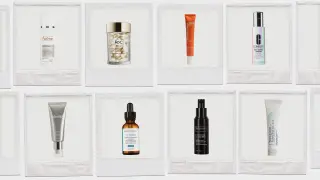
Vogue Beauty highlights eight key ingredients—retinoids, vitamin C, peptides, niacinamide, growth factors, hyaluronic acid, ceramides, and sunscreen—that actively protect and support collagen by boosting production, reducing breakdown, improving hydration, and fortifying the skin barrier, while noting potential irritation and the need for sun protection.

High-Dose IV Vitamin C Reemerges as a Potential Cancer Therapy
health2 months ago

High-Dose IV Vitamin C Reemerges as a Potential Cancer Therapy

Very high-dose vitamin C given intravenously can reach blood levels far beyond what tablets achieve, where it may generate hydrogen peroxide that selectively damages cancer cells while sparing normal cells; early trials show mixed results—potential improvements in quality of life and some signals of benefit alongside standard treatments, but no definitive survival advantage yet, making it experimental and appropriate only within clinical trials or supervised settings, not as a general cancer cure.

Common food preservatives linked to higher blood pressure and heart risk, new French study finds
health2 months ago

Common food preservatives linked to higher blood pressure and heart risk, new French study finds

A French NutriNet-Santé study of over 112,000 adults found eight preservatives in foods linked to higher blood pressure and increased risks of heart attack and stroke over the next decade; both non-antioxidant preservatives (potassium sorbate, potassium metabisulfite, sodium nitrite) and natural antioxidant preservatives (ascorbic acid/vitamin C, sodium ascorbate, sodium erythorbate, citric acid, rosemary extracts) were associated with higher cardiovascular risk. The study shows associations, not causation, and reinforces concerns about ultraprocessed foods, suggesting a shift toward fresh or minimally processed options when possible.

Leicester GP banned for bogus cancer cures using garlic oil and vitamin C
health2 months ago

Leicester GP banned for bogus cancer cures using garlic oil and vitamin C

Leicester-based doctor Mohsen Ali was struck off after running an unregistered clinic and charging two cancer patients up to £15,000 for unproven treatments described as cancer cures with vitamin C, garlic oil and ozone therapy; the Medical Practitioners Tribunal Service found he claimed a 90% cure rate, used a dirty, shared residence for treatment with reused IV bags and failed to obtain informed consent, despite denying the allegations, and one patient died after stopping treatment.

Mandarins vs. Oranges: Key Differences in Taste, Size and Nutrition
health-and-wellness2 months ago

Mandarins vs. Oranges: Key Differences in Taste, Size and Nutrition

Mandarins and oranges are both citrus fruits but belong to different groups: mandarins are smaller with loose, easy-to-peel skins and a sweeter, milder flavor, while oranges are larger with thicker peels and a more balanced sweet-tart taste. Nutritionally, mandarins pack more vitamin A and carotenoids, whereas oranges have more vitamin C and slightly higher fiber; both supply vitamin C, potassium and fiber, plus flavonoids that support health. Be mindful of added sugars in some prepackaged mandarins, and note that citrus can trigger reflux or interact with certain medications, so a varied, moderate intake is best.

The Vitamin IV Boom: High Hopes, Low Evidence, Real Risks
health4 months ago

The Vitamin IV Boom: High Hopes, Low Evidence, Real Risks

Massachusetts medspas are riding a boom in vitamin IV infusions marketed for immunity and performance, with prices often between $200 and $600. IV drips deliver nutrients directly into the bloodstream, but evidence of benefit for healthy adults is limited and regulatory oversight is inconsistent. Medical experts warn of risks like infections, electrolyte imbalances, and fluid overload, advising that IV therapy should not replace vaccines or healthy habits.

GLP-1 Weight-Loss Drugs May Trigger Scurvy if Diet Slips, Experts Warn
health4 months ago

GLP-1 Weight-Loss Drugs May Trigger Scurvy if Diet Slips, Experts Warn

Reports of scurvy linked to GLP-1 weight‑loss drugs have risen as these medications curb appetite and food intake, potentially causing vitamin C and other nutrient deficiencies. Experts note that malnutrition risk increases when appetite suppression leads to reduced consumption, and advise nutritional status assessment, meal planning with a dietitian, and targeted supplementation (e.g., vitamin C 100–200 mg) to prevent scurvy and other deficiencies while continuing GLP-1 therapy. Scurvy is reversible with proper supplementation and dietary adjustments.