
Pantethine Supplement Shows Promise in Treating Psoriasis Symptoms
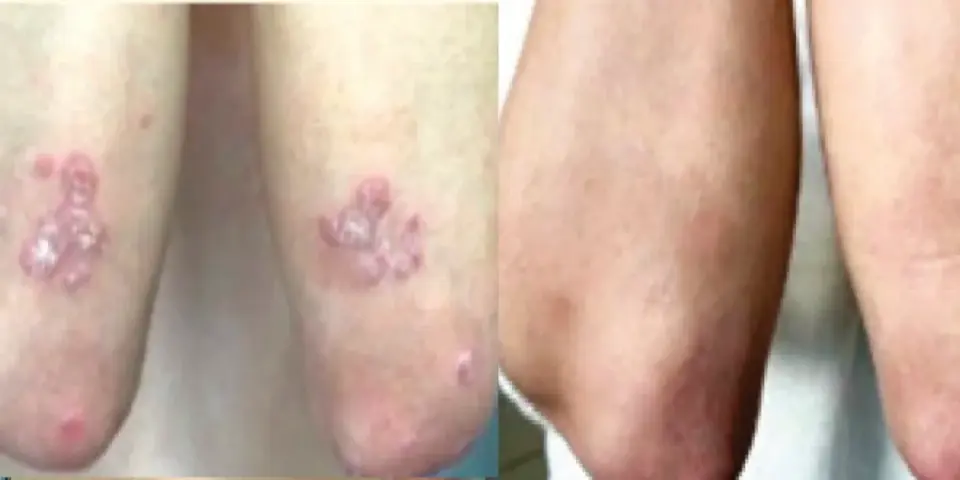
Researchers in Beijing have identified pantethine, a common B-vitamin derivative supplement, as a potential treatment for psoriasis. Published in the Journal of Experimental Medicine, the study reveals that pantethine suppresses the hyperactivation of dendritic immune cells, which drive autoimmune inflammation. In mice, the supplement prevented the condition entirely, while a small human trial showed symptom improvement when used alongside standard ointments. The findings suggest that low pantethine levels may contribute to the disease by allowing cholesterol to accumulate and trigger immune responses.
Key points
- A study by the State Key Laboratory of Biomedical Analysis in Beijing links the B-vitamin derivative pantethine to the reduction of psoriasis symptoms.
- The research identifies a metabolic pathway involving Vanin enzymes, which convert pantethine into vitamin B5; elevated Vanin activity in psoriasis patients depletes pantethine, leading to increased cholesterol synthesis and dendritic cell activation.
- In animal trials, pantethine administration completely prevented the development of psoriasis in mice, while a Vanin-inhibiting drug also prevented the condition.
- A 12-week proof-of-concept trial involving 24 human patients found that those receiving pantethine tablets in addition to topical ointments experienced improved symptoms, particularly those with high baseline cholesterol levels.
- The study emphasizes that while results are encouraging, they serve as a foundation for future therapeutic strategies rather than definitive mechanistic validation.
Background
Recent coverage in our archive has highlighted the complexities of nutritional supplementation, such as the limited evidence for CoQ10 in treating statin side effects and the potential interference of Vitamin D2 supplements with natural D3 production. This new research adds to the discourse on how specific metabolites and vitamins can influence immune system regulation, moving beyond general wellness advice to targeted autoimmune interventions.
How outlets are covering it
Both Good News Network and The Mercury report on the same findings from the Journal of Experimental Medicine, agreeing on the core mechanism: pantethine limits dendritic cell activity by modulating cholesterol levels via Vanin enzymes. Good News Network emphasizes the lack of a cure for psoriasis and the potential of this supplement as a new therapeutic avenue. The Mercury provides a similar overview but explicitly quotes the lead author, Wei-Na Zhang, cautioning that the human trial results should be interpreted as proof-of-concept for clinical feasibility rather than direct mechanistic validation. Both outlets note that the human trial was small (24 patients) and that benefits were more pronounced in those with elevated cholesterol.
Why it matters
Psoriasis is a chronic autoimmune condition affecting millions with no known cure, often causing significant pain and quality-of-life issues. If pantethine, an inexpensive and widely available supplement, can effectively manage symptoms, it could offer a low-cost adjunctive therapy. The discovery of the Vanin-pantethine-cholesterol axis provides a new biological target for treating not just psoriasis, but potentially other dendritic cell-mediated autoimmune diseases.
What to watch
The immediate next step is larger-scale clinical trials to validate the efficacy and safety of pantethine as a standard adjunctive therapy for psoriasis. Researchers will likely investigate whether targeting the Vanin-pantethine-cholesterol axis can be applied to other autoimmune conditions driven by dendritic cell hyperactivation.
- B-Vitamin Supplement Can Treat Psoriasis, a Skin Condition with No Cure Good News Network
- Researchers identify common nutritional supplement as potential treatment for psoriasis EurekAlert!
- Is the 31p psoriasis cure too good to be true? A skin doctor explains HELLO!
- Pill Already in the Vitamin Aisle May Help Calm Psoriasis StudyFinds
- Study finds supplement eases common skin condition themercury.com
Want the full story? Read the original reporting
Read on Good News Network