Peripheral Immune Signals Drive Alzheimer's Brain Damage, Study Finds
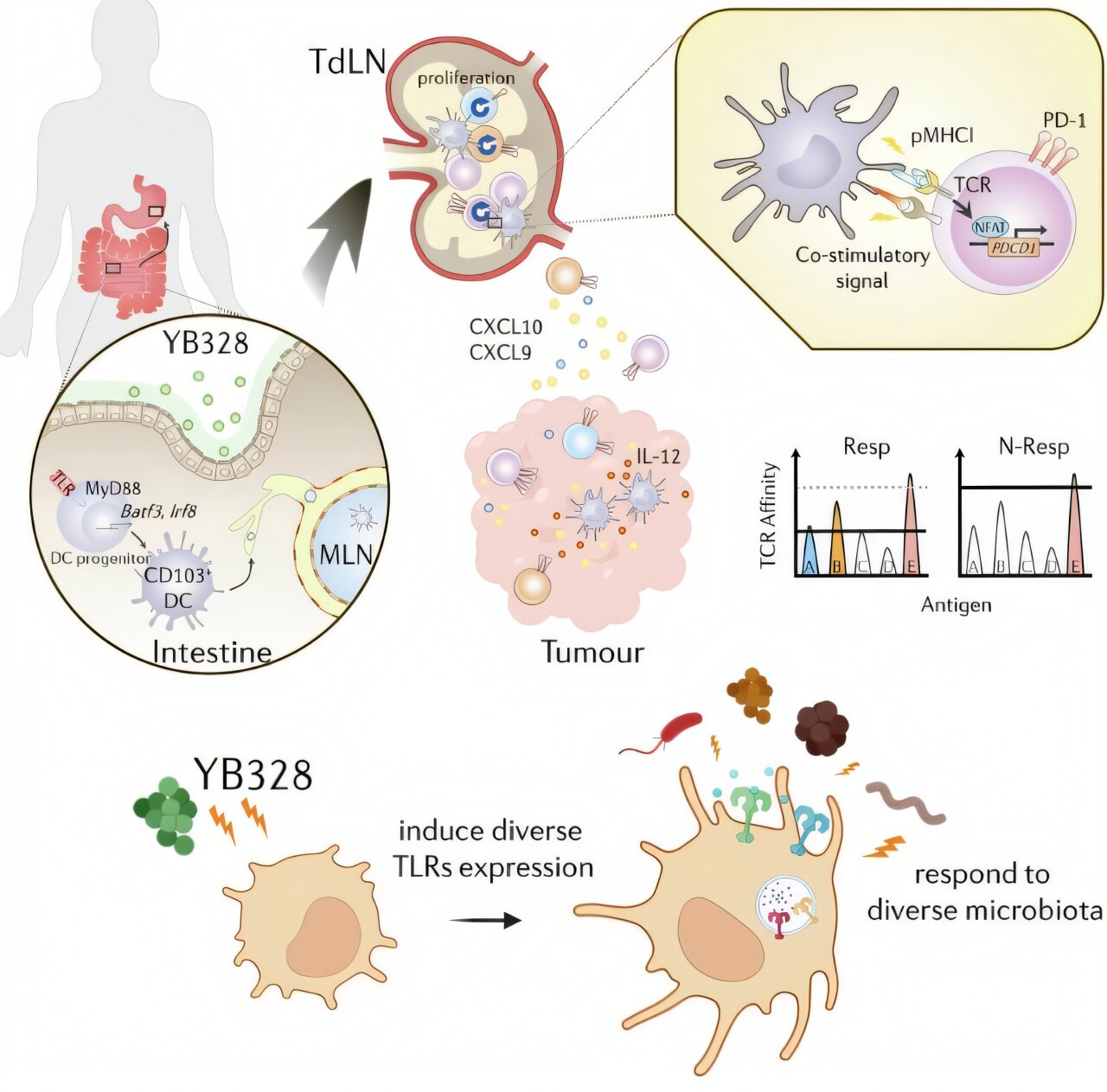
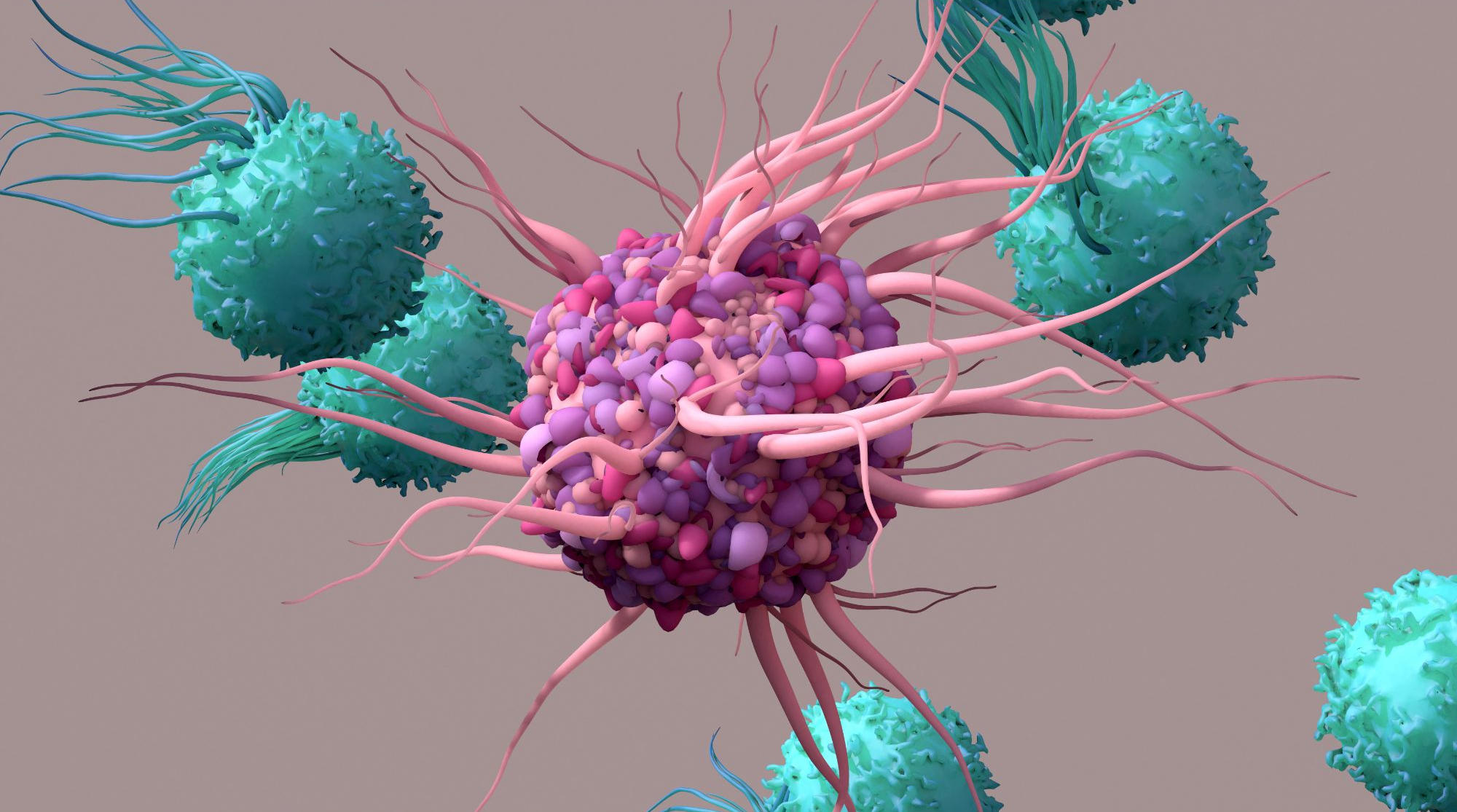
In a mouse model of Alzheimer's, researchers found that immune cells outside the brain, specifically dendritic cells in peripheral lymph nodes, activate T cells that accumulate in the brain and drive inflammation and neurodegeneration. When the researchers blocked these peripheral dendritic cells, brain T cell levels dropped and cognitive function improved, even though tau pathology remained. The findings suggest a systemic, body-wide trigger for Alzheimer's, raising the possibility of targeting lymph nodes to treat or delay disease, though human relevance still needs confirmation and the exact triggers remain unknown.