
Protein Powder in Coffee Trial Shows Mixed Results on Satiety and Taste
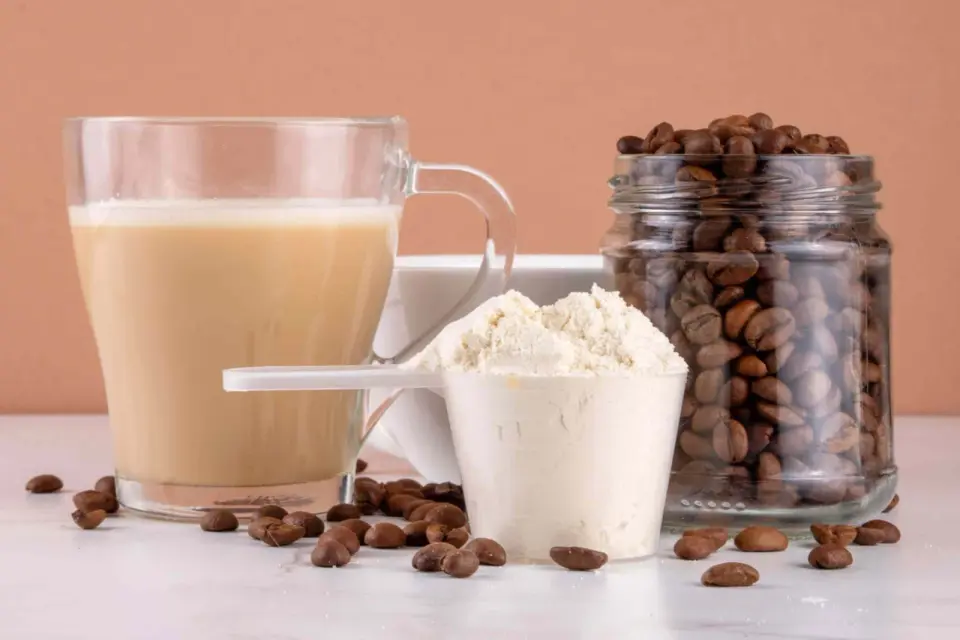
A four-week experiment testing protein powder in coffee found that while it helped meet daily protein goals, it significantly altered taste and texture. Pea protein improved satiety but required careful mixing, whey protein blended easily but caused digestive discomfort, and plant-based options had strong, unappealing flavors. The trend offers convenience for protein intake but may not suit those who prefer black coffee.
Key points
- The trial involved adding protein powder to coffee daily for one month to meet a 66-gram daily protein target.
- Pea protein (Ritual) improved satiety but required a shaker bottle to avoid clumps in hot coffee.
- Whey protein (Optimum Nutrition) blended smoothly with minimal water but caused nausea in one instance and had a strong chocolate taste.
- Plant-based protein (Orgain) had a savory, herbal flavor that the tester found unappealing despite being unflavored.
- Protein powder can help meet dietary goals but may alter coffee taste and texture, requiring adjustments to preparation methods.
Background
Protein intake recommendations vary by activity level, with the minimum RDA at 0.8 grams per kilogram of body weight. Active individuals may require 1.2–2.0 grams per kilogram. Protein powders are not FDA-regulated for safety and may contain additives. Plant-based proteins are often incomplete, lacking essential amino acids, while whey is a complete protein but contains lactose.
Why it matters
For individuals struggling to meet protein goals, especially vegetarians, adding protein powder to coffee offers a convenient method. However, the impact on taste and texture may deter those who prefer traditional coffee, and digestive issues may arise with certain types like whey.
What to watch
Consumers considering protein powder in coffee should experiment with different types and preparation methods to find a suitable option. Consulting a healthcare provider is recommended to determine the best protein source based on individual health needs and dietary restrictions.
Want the full story? Read the original reporting
Read on Health.com