Actor Dwayne 'The Rock' Johnson shared a high-calorie post-workout smoothie recipe on Instagram, featuring 70 grams of a prototype protein powder, 10-15 grams of creatine, frozen blueberries, and jasmine rice. Dietitian Lauren Manaker noted the drink is balanced for Johnson's 4,000-calorie daily goal but may be excessive for smaller individuals.
Protein shakes can aid muscle growth and satiety, but long-term effects depend on powder quality and diet balance. Choose third-party tested products with minimal additives, avoid using shakes as meal replacements, and opt for unflavored or lightly sweetened options. Whey isolate is effective for muscle recovery, while plant-based blends suit dairy-free diets and gut tolerance. Daily use is generally safe for healthy adults even at higher protein intakes, but heavy reliance on shakes over whole foods and certain additives may pose risks; overall, protein powder should supplement a nutrient-dense diet, not replace it.
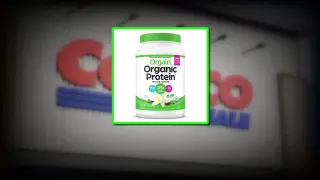
Costco is facing a lawsuit over its Orgain Organic Plant-Based Protein Powder, accused of selling a product containing detectable levels of lead, cadmium, and arsenic; plaintiffs say the packaging touts 'clean' and 'high quality' while omitting heavy-metal disclosures, citing studies by the Clean Label Project and Consumer Reports; they seek damages and a court order requiring Costco to disclose what's inside the product.
Protein shakes can help with muscle growth and satiety, but long-term use hinges on powder quality and overall diet. Opt for third-party tested, minimally processed powders (prefer unflavored when possible), avoid using shakes as meal replacements, and balance with whole foods to support gut and hormonal health. For healthy adults, daily shakes are generally safe when used as a supplement rather than a substitute, though additives and gut tolerance warrant mindful choices.
Texas Attorney General Ken Paxton announced an industry-wide investigation into protein powder manufacturers amid independent findings that some powders contain heavy metals such as lead and cadmium; the probe will examine potential misrepresentation and undisclosed contamination under Texas law.
Texas Attorney General Ken Paxton announced an industry-wide investigation into protein powder manufacturers after independent testing by Consumer Reports and the Clean Label Project found concerning levels of heavy metals, including lead and cadmium, in popular powders. Consumer Reports reported higher lead in plant-based powders (about nine times that of dairy whey and twice that of beef-based products) and noted cadmium and inorganic arsenic concerns in a few items; Clean Label Project found 47% of 160 products exceeded California Proposition 65 limits for heavy metals in a single serving. Health risks from lead exposure are well-documented, with no known safe level per the FDA. Paxton said the probe will examine possible violations of the Texas Deceptive Trade Practices Act related to marketing safety claims and failure to disclose known heavy-metal contamination.
Amid a protein-powder craze, the article warns that supplements can be under-regulated, with reports of heavy metals like lead, plus various contaminants and BPA, and that long-term health effects are not well understood; it also notes potential digestive issues and high added sugar content, urging consumers to scrutinize labels and choose reputable brands.
Protein powder is popular for meeting dietary protein needs, but it can cause stomach issues like bloating and gas, especially if it contains ingredients like lactose, fermentable fibers, or is consumed too quickly. To minimize discomfort, choose plant-based options, avoid irritating additives, and slow down consumption, while ensuring adequate fiber intake from whole foods.
The article provides expert advice on the best ways to incorporate protein powder into your diet, emphasizing post-workout consumption paired with carbs for muscle growth, choosing the right liquid, and using it creatively in foods. It also highlights different types of protein powders suited for various goals and cautions against over-reliance on supplements, advocating for whole foods as primary protein sources.
A colorectal surgeon warns gym enthusiasts about the potential risks of high protein powder consumption, linking it to gut microbiome changes and increased bowel cancer risk, and recommends focusing on plant-based proteins and reducing red meat intake for better gut health and cancer prevention.
Sports nutritionist Rob Hobson advises that while some supplements can be beneficial, many are a waste of time and money. He recommends skipping pre-workout and fat-burning supplements, and instead suggests consuming a banana and coffee for a natural pre-workout boost. Hobson highlights the benefits of protein powder and creatine for muscle growth, repair, and performance gains, emphasizing their well-established research-backed advantages.
Americans are increasingly turning to quick and convenient meal options, with protein powder being a popular choice for adding nutrition on the go. While whey protein is highlighted for its high leucine content, dietitian Chris Mohr emphasizes that the best protein powder is ultimately the one that tastes good to you. Both animal and plant-based protein powders are viable options, with complete proteins like whey, soy, pea, and casein containing all essential amino acids. Protein powder can be a convenient source of nutrition, especially for snacks or pre-workout fuel, but it's not a necessary component for a balanced diet, and whole food sources offer additional nutrients. When choosing a protein powder or shake, look for at least 20 grams of protein per serving and minimal added sugar.
Protein powder can contribute to weight gain if consumed in excess without adjusting overall calorie intake. However, when consumed mindfully and as part of a well-balanced diet, protein powder can support weight management efforts by promoting muscle protein synthesis, increasing satiety, and boosting the body's metabolic response to food. It is important to be mindful of portion sizes and choose protein powders with minimal added sugar. Consulting a healthcare provider can help navigate the potential risks and benefits of protein powder supplementation.
Adding protein powder to your smoothies can create a foamy mess, but there are ways to prevent this. First, blend all the other ingredients before adding the protein powder at the end to minimize foam. Adding the powder gradually and using cold liquids can also help reduce foam. Opting for protein powders made from egg white or plant-based sources, or those with stabilizers like gelatin, can also minimize foam.
Casein protein, a complete source of protein found in cow's milk, can help improve muscle growth and recovery, especially when combined with resistance training. It is also high in calcium, which supports bone health. Casein protein powder can be added to various foods and beverages, making it a versatile option for those looking to increase their protein intake. However, it is important to be mindful of potential allergies, excessive consumption, and the availability of alternative protein sources.