
Severe COVID-19 Reactivates Dormant Viruses, Linking Them to Long-Term Disability
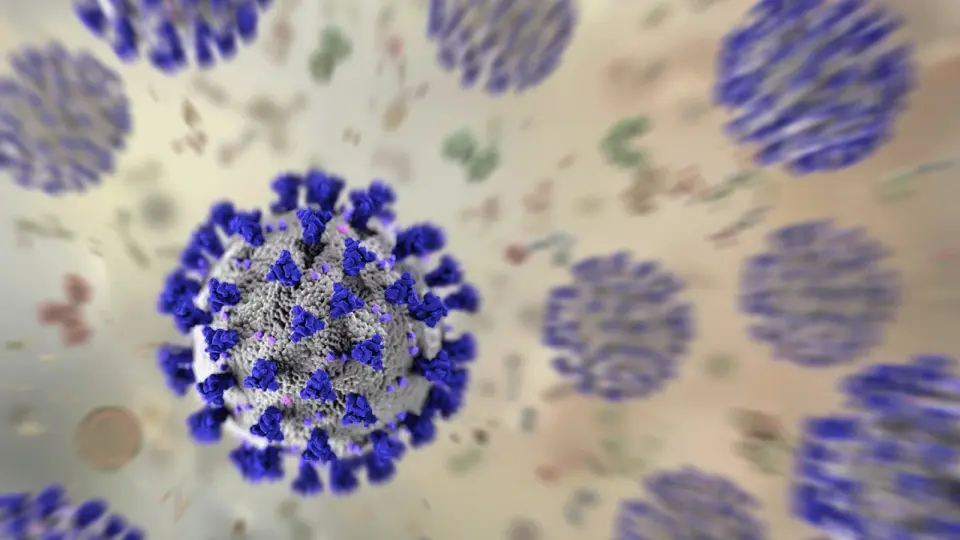
A study published in Nature indicates that severe SARS-CoV-2 infections can reactivate dormant viruses in the body, even in individuals with healthy immune systems. This reactivation, particularly of Anelloviridae, is linked to increased inflammation, acute severity, and persistent physical disability associated with long COVID.
Key points
- Researchers tracked 1,154 hospitalized adults with COVID-19 for one year, finding that nearly 48% experienced reactivation of at least one dormant virus.
- Reactivated viruses included Epstein-Barr virus (EBV), cytomegalovirus (CMV), herpes simplex virus-1 (HSV1), and Anelloviridae.
- Anelloviridae reactivation during the recovery phase was specifically associated with ongoing fatigue and physical disability, suggesting a link to long COVID.
- The presence of EBV, HSV1, or CMV in the respiratory system was linked to higher mortality risk within one year for critically ill patients.
- The study does not prove causation but suggests viral reactivation contributes to inflammation and worsens outcomes, potentially guiding future diagnostics and treatments.
Background
Previous coverage in August 2026 highlighted this study as a significant development in understanding the virome during severe infections. Earlier reports emphasized that while reactivation was previously thought to occur only in immunocompromised individuals, this research shows it affects healthy people as well. The findings align with ongoing discussions about the complex immune responses triggered by SARS-CoV-2 and the potential for secondary viral complications.
How outlets are covering it
Live Science and Medical News Today both emphasize the novelty of finding reactivation in healthy individuals and the specific link between Anelloviridae and long-term disability. Medical News Today highlights the limitations, noting the cohort was unvaccinated and infected with early strains, which may limit applicability to current variants. Futura focuses on the potential for new treatment avenues, noting that while causation is not proven, the findings could lead to targeted therapies for reactivated viruses. All sources agree that the study provides a new framework for understanding severe COVID-19 complications but caution that further validation is needed.
Why it matters
This research suggests that managing severe COVID-19 may require monitoring for and treating reactivated dormant viruses, not just the primary infection. If validated, these findings could lead to new diagnostic tools and antiviral strategies to mitigate long-term disability and improve outcomes for patients with long COVID.
What to watch
Researchers plan to investigate whether identifying and treating reactivated viruses can improve acute and long-term COVID-19 outcomes. Future studies will need to determine if these findings apply to vaccinated populations and newer SARS-CoV-2 variants. Additionally, there is a push to develop antivirals for Anelloviridae, which currently have no approved treatments.
- Severe COVID-19 may wake up dormant viruses and lead to lasting physical disability, study finds Live Science
- Long COVID: How COVID-19 may lead to vicious viral cycle Medical News Today
- This hidden danger: Why Covid-19 could awaken silent viruses in your body Futura, le média qui explore le monde
Want the full story? Read the original reporting
Read on Live Science