
Stanford researchers develop brain activity score to predict Alzheimer's risk before symptoms appear
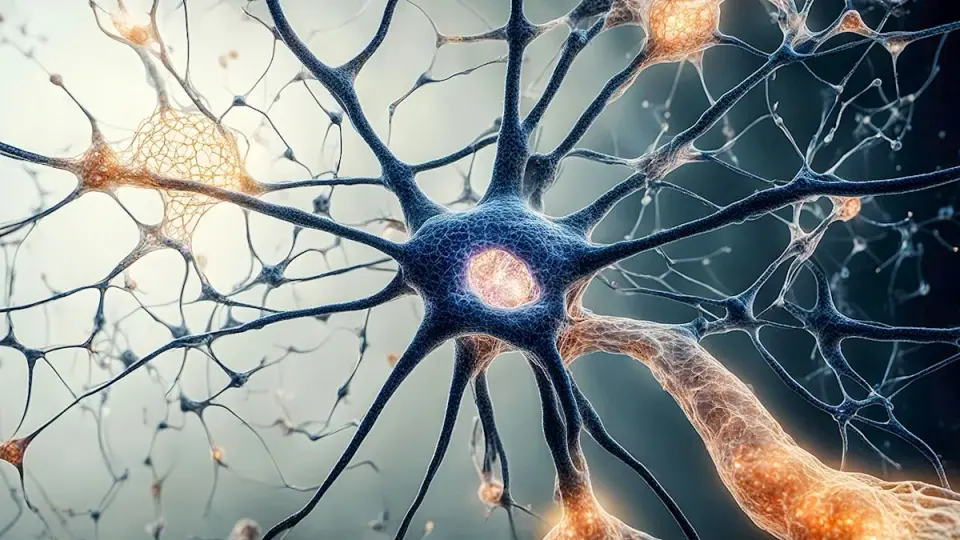
A new study from Stanford Medicine identifies a brain activity pattern, termed the ARC score, that can predict the risk of Alzheimer's disease years before memory loss occurs. By comparing 'super agers' with patients, researchers found that this metric outperforms traditional biomarkers in identifying future cognitive decline among healthy adults.
Key points
- Researchers at Stanford Medicine developed the Alzheimer's Resilience-Vulnerability Connectome (ARC) score using resting-state fMRI scans.
- The model distinguishes between 'super agers' (older adults with youthful memory) and those with Alzheimer's disease with approximately 85% accuracy.
- When applied to over 1,300 cognitively healthy adults aged 55 to 70, the ARC score predicted future cognitive decline, amyloid plaque accumulation, and clinical conversion over follow-up periods of up to 12 years.
- The ARC score matched or exceeded the predictive power of standard biomarkers like amyloid, tau, and genetic testing, potentially offering an earlier window for intervention.
- Researchers emphasize that the tool is not yet a diagnostic standard but could guide future non-invasive treatments like transcranial magnetic stimulation or cognitive training.
Background
This development follows recent efforts to find earlier markers for neurodegenerative diseases. In October 2026, a USC trial showed that fish oil supplements failed to prevent memory loss despite reaching the brain, highlighting the difficulty of using supplements for prevention. Additionally, earlier coverage in November 2026 noted that Stanford researchers were already developing this specific scoring system, confirming the timeline of this research. Other studies, such as those on peanut consumption and dog brain pathology, have also sought alternative methods to understand or mitigate cognitive decline, but the ARC score focuses specifically on functional connectivity rather than structural changes or dietary interventions.
How outlets are covering it
While all sources agree on the potential of the ARC score, they emphasize different aspects. Yahoo News and Stanford Medicine focus on the practical application of the score for early intervention and the excitement surrounding the 'super ager' comparison. Neuroscience News highlights the technical innovation of using machine learning to define biological extremes rather than average health, noting the specific networks involved (prefrontal, temporal, insular). Alzheimer's Research UK, though its content was obscured by technical data in the provided source, generally frames such research within the broader context of tracing dementia's roots for prevention. The primary distinction lies in the emphasis: Stanford and Yahoo highlight the clinical promise and the 'resilience' aspect, while Neuroscience News details the methodological superiority of comparing extremes over averages.
Why it matters
Alzheimer's disease often begins decades before symptoms appear, limiting the effectiveness of current treatments. An early detection tool that outperforms existing biomarkers could allow for interventions during a pre-symptomatic window, potentially slowing or preventing the disease. This could shift the focus from treating advanced dementia to preventing cognitive decline in healthy older adults.
What to watch
Researchers are planning trials to test whether cognitive training or transcranial magnetic stimulation can shift brain activity patterns toward the 'super ager' profile. Further validation is needed to confirm the ARC score's accuracy and to determine if it can be used clinically to guide preventive treatments. The team also aims to identify specific brain regions to target for neuromodulation.
- Alzheimer's warning signs could emerge years before memory loss, study finds Yahoo
- Brain activity patterns may predict Alzheimer’s years before memory slips Stanford Medicine
- SuperAger AI Connectome Predicts Alzheimer’s Years Early Neuroscience News
- Tracing dementia's roots: New study on early detection and prevention Alzheimer's Research UK
- Dementia-Linked Proteins Build Up Before Memory Loss 동아비즈니스리뷰
Want the full story? Read the original reporting
Read on Yahoo