
Employers Cut GLP-1 Coverage as 2027 Health Costs Spike
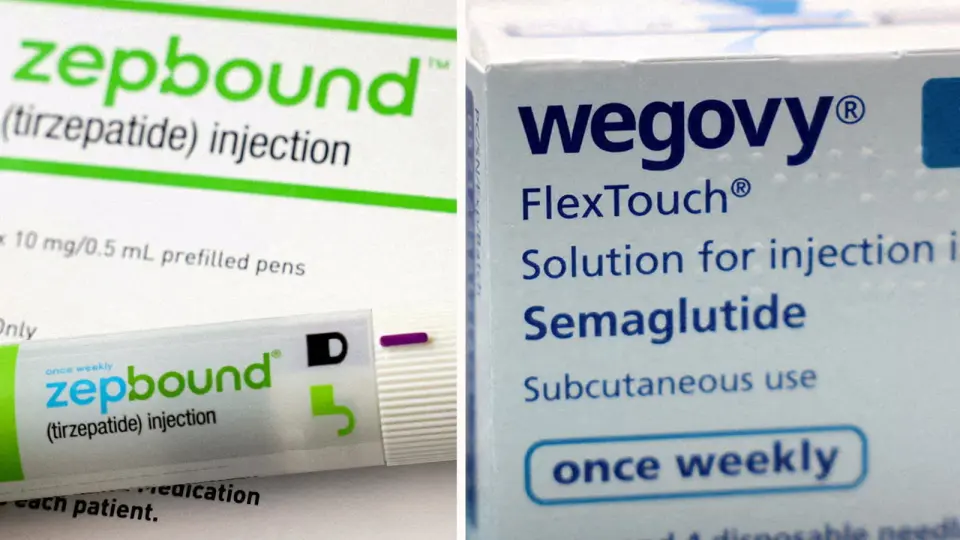
As 2027 open enrollment approaches, many U.S. employers are dropping or restricting coverage for GLP-1 weight-loss drugs due to soaring healthcare costs. A WTW survey shows 53% of large employers now cover these drugs, down from 57% in 2025, marking the first decline in three years. Marsh projects health insurance costs will rise 8.2% in 2027, with GLP-1 usage accounting for a full percentage point of that growth. Employers are shifting to alternative models, including direct-to-consumer purchases, partial reimbursements, and third-party weight management programs, to reduce expenses while maintaining some employee support.
Key points
- WTW survey finds 53% of employers with 100+ employees cover GLP-1s for weight loss, down from 57% in 2025.
- 16% of employers are considering removing GLP-1 coverage, up from 9% last year.
- Marsh projects average health insurance costs will rise 8.2% in 2027, the largest increase since 2003.
- GLP-1 use accounts for one percentage point of the projected 2027 cost growth.
- Alternatives include direct-to-consumer purchases, partial employer reimbursements, and third-party weight management programs.
- Bank of America spends over $250 million annually on GLP-1s but maintains coverage due to perceived long-term health benefits.
Background
This trend follows earlier reports in September 2026 where major employers like PepsiCo, Cigna, and Starbucks began restricting GLP-1 access due to rising healthcare costs. Private-sector health benefit expenses rose 6% in 2026, outpacing wage growth. Additionally, U.S. health spending is projected to exceed $6 trillion in 2026, driven by high provider prices and GLP-1 drug usage. Insurers have also tightened prior authorization requirements, creating hurdles for patients seeking these therapies.
How outlets are covering it
CNBC emphasizes the economic pressure on employers, highlighting that 53% of large employers now cover GLP-1s, down from 57% in 2025, and that 16% are considering dropping coverage. Marsh projects an 8.2% rise in health insurance costs for 2027, with GLP-1 use contributing a full percentage point. ThePerryNews, through a letter to the editor, argues that obesity is a chronic disease deserving comprehensive treatment, including GLP-1 coverage under Iowa Medicaid. The author, a nursing student, shares personal experience with insulin resistance and weight loss using compounded Tirzepatide, criticizing cost and insurance barriers that prevent access to medically appropriate treatment. While CNBC focuses on employer cost-saving strategies, ThePerryNews highlights the human impact of limited coverage and advocates for broader Medicaid inclusion.
Why it matters
The shift in employer coverage for GLP-1 drugs reflects broader pressures on healthcare affordability and access. As costs rise, employees may face higher out-of-pocket expenses or reduced access to effective weight-loss treatments. This could impact long-term health outcomes and exacerbate disparities in care, particularly for those relying on Medicaid or employer-sponsored plans. The move to alternative models, such as direct-to-consumer purchases or weight management programs, may not fully replicate the benefits of comprehensive drug coverage, raising questions about equity and effectiveness in healthcare delivery.
What to watch
Employers will continue to evaluate GLP-1 coverage strategies for 2027, potentially expanding direct-to-consumer or partial reimbursement models. Policymakers may consider expanding Medicaid coverage for GLP-1 drugs, as advocated by healthcare professionals. Insurers and providers will likely face increased scrutiny over pricing transparency and cost growth. Employees may need to utilize FSA or HSA funds for GLP-1 medications, though these accounts have limitations. Further developments in alternative weight management programs and new drug approvals, such as Eli Lilly’s retatrutide, may influence future coverage decisions.
- GLP-1 drug coverage is being dropped by employer plans: What to know about 2027 weight-loss options CNBC
- Letter to the editor: Insurers should cover obesity drugs ThePerryNews
- Weight-loss drug coverage ends for many in Mass. as cash price tops $4,000 a year The Bay State Banner
- medicare to cover weight loss drugs in 2026: Uses, Safety and What to Know BusinessWorld Online
Want the full story? Read the original reporting
Read on CNBC