
Lincoln excavation seeks to rewrite the narrative of medieval leprosy care
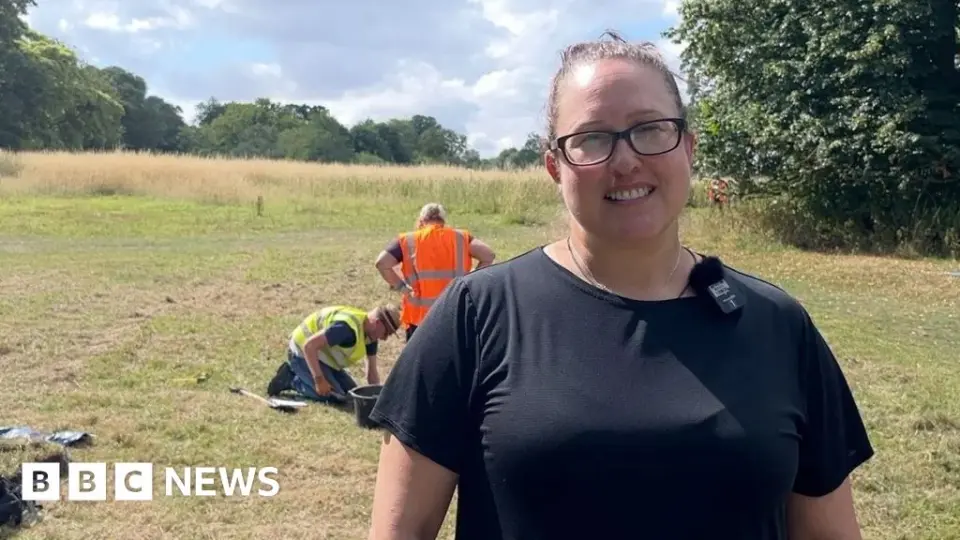
A new archaeological dig in Lincoln aims to uncover the remains of the Hospital of the Holy Innocents, a medieval leprosary founded around 1100. Researchers hope to challenge the Victorian-era myth that leprosy patients were universally ostracized, suggesting instead that such institutions were often wealthy, peaceful religious communities. The three-year project, funded by the National Lottery Heritage Fund, will expand on 2025 test pits that found wall traces and pottery, seeking to reveal the unique design of English leprosaria and connect locals with their hidden heritage.
Key points
- Excavations begin in Lincoln to uncover the Hospital of the Holy Innocents, a leprosary founded circa 1100 during the reign of Henry I.
- The project is a three-year initiative led by Anglia Ruskin University and City of Lincoln Council, funded by a £248,000 National Lottery Heritage Fund grant.
- Previous 2025 test pits revealed traces of walls, surfaces, and medieval pottery, but no visible remains exist today.
- Researchers argue that medieval leprosaries were not sites of ostracism but rather wealthy, peaceful religious communities where residents had private cells and good food.
- The hospital is believed to have housed about 20 residents, split equally between men and women, for five centuries.
- The project includes volunteer digs, school excavations, and heritage activities to engage the local community.
Background
This excavation follows earlier archaeological efforts in Lincoln, such as the discovery of Bronze Age artifacts and Neolithic monuments, which have highlighted the city's deep historical layers. While previous archive entries focused on modern events like the USS Abraham Lincoln deployment or global sports bids, this project focuses on a specific local historical narrative that has been largely forgotten by the public. The dig aims to fill a gap in understanding how medieval society treated chronic infectious diseases, contrasting with the common assumption that leprosy led to total social exclusion.
Why it matters
The excavation challenges the prevailing historical narrative that medieval leprosy patients were universally shunned, offering a more nuanced view of social and religious care in the Middle Ages. It also serves as a reminder that leprosy remains a significant global health issue today, with the World Health Organization reporting 200,000 new cases annually. By uncovering the physical remains of the hospital, the project aims to foster community pride and provide tangible evidence of how medieval institutions functioned as centers of care rather than just quarantine zones.
What to watch
The three-year excavation project will proceed with larger trench openings to locate the buildings themselves, as English leprosaria did not follow a standard design. Researchers will analyze the wall traces found in 2025 to determine the layout and structure of the hospital. The project will also continue to engage the public through volunteer opportunities, school programs, and heritage talks, aiming to make the hidden history of South Common accessible to the local community.
Want the full story? Read the original reporting
Read on BBC