
Mouse Study Reveals Capillaries, Not Arteries, Build Heart Bypass Vessels
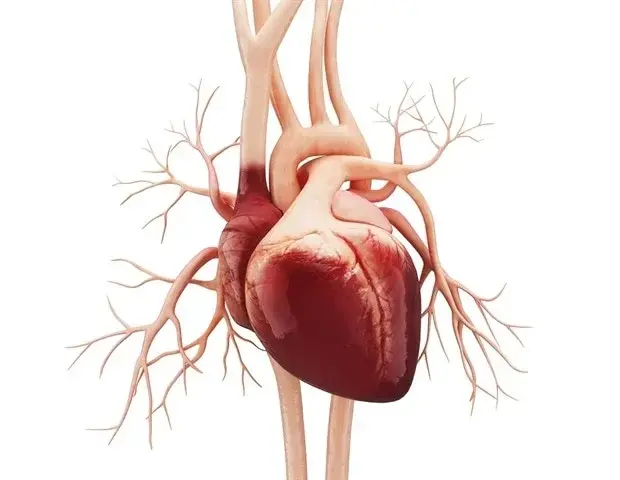
New research in mice indicates that new collateral arteries forming after a heart blockage originate primarily from capillary endothelial cells rather than existing arteries. This challenges the traditional view that collaterals form solely by enlarging pre-existing arterial connections. The study identifies a VEGF-driven pathway that facilitates the conversion of capillaries into functional arteries, offering a potential target for future therapies to improve cardiac repair and reduce tissue damage from ischemia.
Key points
- Mingjun Zhang and colleagues used genetically engineered mice with dual lineage-tracing tools to track the origins of endothelial cells during coronary collateral formation.
- The study found that capillary endothelial cells, not arterial cells, are the major contributors to newly formed collateral arteries in the heart.
- A VEGF-driven molecular pathway was identified as a key driver for the conversion of capillary cells into arterial structures, facilitating de novo vessel formation.
- This discovery challenges the long-held belief that collateral arteries form primarily through the enlargement of pre-existing arterial connections (arteriogenesis).
- The findings suggest that targeting this specific pathway could lead to therapies that stimulate the heart's natural ability to create bypass vessels, potentially reducing ischemic damage.
Background
This research builds on ongoing efforts to understand and treat coronary artery disease, a leading cause of death worldwide. Previous studies, such as those on coronary calcium scoring and the impact of ultra-processed diets, have focused on risk stratification and prevention. Recent work on gum-disease bacteria and oxalate accumulation in kidney disease has also highlighted systemic inflammation's role in heart damage. The current study shifts focus to the heart's intrinsic repair mechanisms, specifically how it can generate new blood vessels to bypass blockages, offering a complementary approach to existing invasive treatments like stents and bypass surgery.
How outlets are covering it
Both News-Medical and Bioengineer.org report on the same study published in Science, led by Mingjun Zhang. They agree on the core finding that capillary endothelial cells are the primary source for new collateral arteries, challenging the traditional arteriogenesis model. Bioengineer.org provides more detail on the methodology, emphasizing the importance of dual genetic lineage-tracing to avoid misattribution of cell origins based solely on molecular markers. It also highlights the complexity of VEGF signaling, noting that while VEGF promotes vessel growth, its effects depend on cellular context and that future therapies must precisely regulate timing and location to avoid adverse effects like edema or abnormal vessel growth. News-Medical focuses more on the broader implications for cardiac repair and the potential for leveraging this pathway therapeutically. Both sources acknowledge that the findings are based on mouse models and do not yet confirm applicability in humans, citing anatomical and physiological differences between mouse and human hearts.
Why it matters
Understanding the cellular origins of collateral arteries could lead to new, less invasive treatments for coronary artery disease. By targeting the VEGF-driven pathway that converts capillaries into arteries, researchers may develop therapies that enhance the heart's natural ability to create bypass vessels, potentially reducing the amount of tissue lost to ischemia. This could be particularly beneficial for patients whose coronary arteries are too diffuse or fragile for conventional revascularization procedures like stenting or bypass surgery. The findings also highlight the plasticity of endothelial cells, suggesting that the heart's vascular network is more adaptable than previously thought, which could inform future regenerative medicine strategies.
What to watch
Researchers will need to determine how the newly formed capillary-derived collaterals mature, connect to the wider circulation, and function over the long term after injury. Future studies will focus on translating these findings from mouse models to human patients, addressing the challenges of safely and effectively inducing collateral formation in humans. This includes understanding the precise regulation of VEGF signaling to avoid adverse effects such as edema or abnormal vascular growth. Additionally, clinical trials will be necessary to evaluate the efficacy and safety of therapies that target this pathway, potentially leading to new treatments for coronary artery disease that complement or replace current invasive procedures.
Want the full story? Read the original reporting
Read on News-Medical