
Caffeine, Not Coffee, Shields Mouse Brains From Chronic Stress
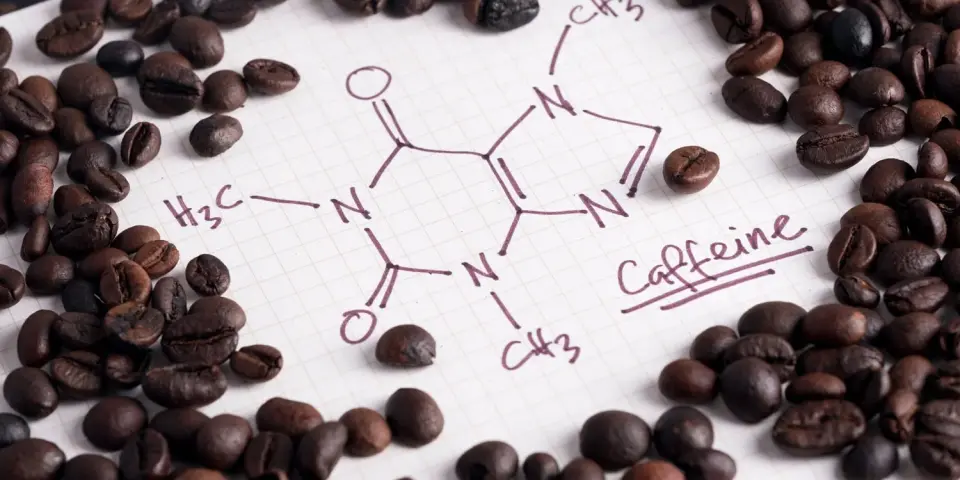
A new study in mice shows that caffeinated coffee protects against stress-induced memory loss and mood deterioration, while decaffeinated coffee offers no such benefits. Published in Neurobiology of Stress, the research suggests caffeine is the primary active ingredient responsible for these protective effects. Mice drinking regular coffee maintained normal brain function and behavior despite chronic stress, whereas those drinking decaf exhibited significant deficits similar to those drinking plain water. These findings clarify the role of caffeine in mental health resilience, distinguishing it from other coffee compounds.
Key points
- Mice consuming caffeinated coffee showed no stress-induced memory loss or mood deterioration, unlike those drinking decaf or water.
- Caffeinated coffee preserved long-term potentiation in the hippocampus and brain-derived neurotrophic factor levels in the frontal cortex.
- Decaffeinated coffee failed to prevent behavioral deficits such as anxiety, anhedonia, and spatial memory issues in stressed mice.
- The study involved 24 adult mice exposed to three weeks of chronic unpredictable stress, with coffee intake equivalent to 350 mg of caffeine daily for humans.
- Results align with prior research linking caffeine to stress resilience but conflict with studies suggesting non-caffeine compounds may also offer cognitive protection.
Background
Previous research has explored coffee's benefits for mental health and liver disease. A 2026 UK Biobank study found that both regular and decaf coffee reduce liver disease risk, suggesting non-caffeine compounds like polyphenols play a role in liver protection. However, this new study focuses specifically on stress resilience in the brain, highlighting caffeine as the key protective factor for mood and memory under chronic stress. Earlier studies in 2011 and 2015 also linked caffeinated coffee to lower depression risk and stress-induced memory problems, supporting the current findings.
Why it matters
Understanding the specific role of caffeine in protecting the brain from chronic stress could inform dietary recommendations for mental health. While decaf offers benefits for liver health, it may not provide the same neurological protection against stress. This distinction is crucial for individuals seeking to manage anxiety and depression through diet, as it highlights the importance of caffeine in maintaining cognitive and emotional resilience under prolonged stress.
What to watch
Future research should explore how caffeine's protective effects translate to humans, considering differences in diet, stress factors, and brain chemistry. Studies should also investigate potential sex-based differences in coffee's impact on mood, as this study did not isolate sex as a variable. Additionally, measuring exact circulating levels of caffeine and other compounds in blood and tissues could provide deeper insights into the mechanisms of stress resilience.
Want the full story? Read the original reporting
Read on PsyPost