
Astaxanthin: New Meta-Analyses Reveal Modest Metabolic Gains but No Clinical Breakthroughs
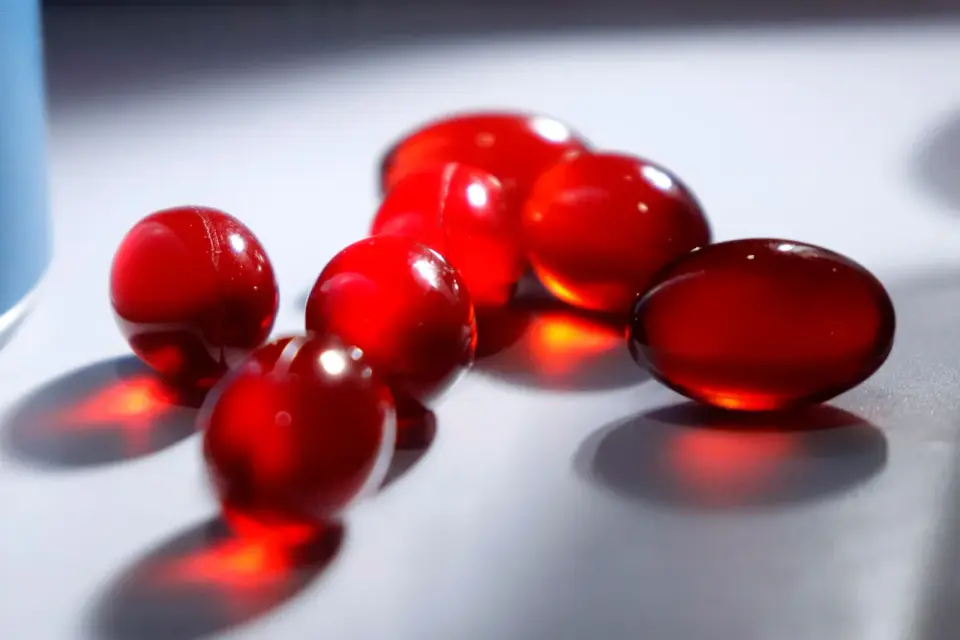
Astaxanthin, a carotenoid found in salmon and krill, is often marketed as a 'super antioxidant' for anti-aging and performance enhancement. Recent 2026 meta-analyses indicate it may slightly lower blood glucose and A1c levels in people with prediabetes or type 2 diabetes, but it does not significantly reduce weight or improve athletic performance. While some studies show minor benefits for skin hydration and eye strain, evidence for preventing chronic diseases, neurodegeneration, or boosting metabolism remains insufficient. Safety data suggests an 8 mg daily dose is acceptable for adults, though higher doses lack long-term safety confirmation.
Key points
- A 2026 meta-analysis of nine trials found astaxanthin reduced fasting glucose by 16 mg/dL and A1c by 0.34 percentage points in diabetic patients, but did not affect body weight or BMI.
- Research indicates no significant improvement in athletic metrics such as maximal oxygen uptake, endurance, or power, despite claims of enhanced recovery.
- Skin studies show modest improvements in hydration and texture, but no significant reduction in wrinkle depth, and most trials involved small groups of healthy Japanese women.
- Eye health studies report reduced digital eye strain in children and adults, but do not prove protection against macular degeneration or other serious eye diseases.
- The European Food Safety Authority sets an acceptable daily intake of 0.2 mg per kg of body weight, deeming 8 mg safe for adults but exceeding limits for children aged 10-14.
Background
Astaxanthin is a fat-soluble carotenoid produced by microalgae and accumulated in crustaceans and fish. It has been studied for its antioxidant properties and ability to integrate into cell membranes. Previous research, including a 2015 meta-analysis, found no significant effects on blood lipids, though it did not specifically focus on diabetic populations. The current 2026 analyses provide updated data on metabolic and physical outcomes, clarifying the gap between biological plausibility and clinical efficacy.
Why it matters
The findings clarify that while astaxanthin is not entirely ineffective, it is not the 'super antioxidant' or 'fat burner' often advertised on social media. Consumers should not expect it to replace established medical therapies for diabetes or chronic diseases. Understanding the limited scope of its benefits helps prevent over-reliance on supplements for conditions requiring proven clinical interventions.
What to watch
Further large-scale, long-term clinical trials are needed to determine if astaxanthin offers sustained benefits for metabolic health or specific recovery markers. Researchers must also investigate the long-term safety of doses higher than the 8 mg threshold recommended by the European Food Safety Authority. Until robust evidence emerges, astaxanthin remains a subject of research rather than a standard treatment.
Want the full story? Read the original reporting
Read on Medscape