A new study reveals that the Surinam toad, or pipa frog, hunts prey using highly sensitive, fractal-like fingertips that function as a tactile fovea, compensating for poor vision in murky waters. This discovery suggests a shared evolutionary strategy between amphibians and mammals for prioritizing sensory input.
The DSM is moving toward integrating biology into psychiatric diagnoses for the first time, aiming to use biomarkers and neurobiology to supplement symptom-based criteria. While current biomarkers for mental illness are limited and environmental factors blur biological signals, recent advances offer promise: blood-based biomarkers for Alzheimer's disease, inflammatory markers like CRP that may identify treatment-responsive subtypes, and genetic risk scores that could feed into precision psychiatry. The shift acknowledges overlapping symptom clusters and subgroups within disorders, with the goal of more objective, personalized diagnoses in the future, even as clinicians recognize the complexity and remaining gaps before such biology-driven DSM criteria become standard practice.
Columbia University researchers at the Alzheimer's Research Center are pinpointing where Alzheimer's starts by studying the brain cell's endosome, using mouse models and postmortem human brains to test whether correcting this defect can rescue brain cell function, with plans to translate findings into drugs through academia–industry collaboration over the coming years.
A Japanese study suggests long COVID symptoms may result when a coronavirus activates a dormant herpes virus, producing the SITH-1 protein detected in about 70% of the 150+ patients studied. In mice, higher SITH-1 levels impaired brain function, hinting at a potential target for therapies; the WHO estimates roughly 6% of COVID-19 patients experience persistent symptoms.
Researchers using post-mortem brain tissue and single-cell genomics identified two brain cell types—excitatory neurons and microglia—that show altered gene activity in depression, strengthening the view of depression as a brain-based disorder and suggesting new avenues for cell-targeted therapies.
A Rutgers University study reveals how the human brain integrates fast and slow neural signals through white-matter pathways, influencing cognitive performance and linked to genetic and molecular features, with implications for understanding brain disorders.
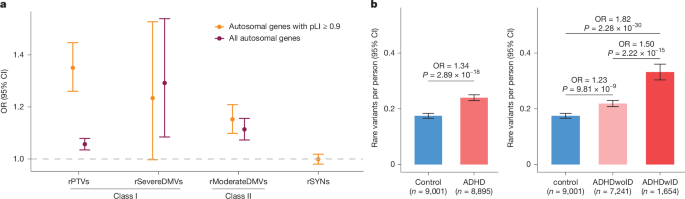
A study identified three rare genetic variants significantly associated with ADHD, linking them to neuronal functions and brain development, and showed that these variants, along with common variants, contribute additively to the disorder's risk and impact socioeconomic outcomes.
A 25-year study reveals that superagers, individuals over 80 with memory skills of much younger people, have unique brain features such as resistance to Alzheimer's-related proteins, higher neuron concentrations, and less inflammation, which may explain their preserved cognitive abilities and could lead to new brain health interventions.
Scientists at Cardiff University have identified eight new genes associated with schizophrenia through the largest exome-sequencing study to date, providing new insights into the disorder's genetic basis and potential pathways for future treatments.
Scientists at Northwestern University studied 290 super-agers over 25 years and found that their exceptional memory and brain health are linked to unique brain structures, personality traits, and resistance or resilience to Alzheimer’s-related proteins, offering insights into promoting cognitive longevity.
Steven Rose, a neurobiologist and political activist known for his reductionist approach to memory and his critique of genetic determinism, has died at 87. He was influential in science education through the Open University and authored significant works challenging sociobiology, advocating for environmental and developmental influences on human behavior. Rose combined scientific research with passionate political activism, emphasizing the importance of democratic access to scientific knowledge.
British journalist Rowan Hooper explores a fictional future where neurobiological advancements could enable humans to connect their brains to those of animals, allowing experiences like seeing through a rat's eyes or flying like a bird, raising intriguing possibilities and ethical questions.
Researchers at the University of Arizona have found that a drug called PNA5 may help prevent cognitive decline in Parkinson's disease by reducing inflammation in the brain. In studies on mice, PNA5 improved memory and slowed brain cell loss by calming overactive immune cells known as microglia. While promising, further research is needed to confirm the drug's safety and efficacy in humans. This development offers hope for addressing the cognitive symptoms of Parkinson's, which currently lack effective treatments.
Researchers at Harvard Medical School have identified the neural mechanism behind the shaking behavior of wet dogs and other hairy mammals. By studying mice, they discovered that the Piezo2 gene and C-LTMRs mechanoreceptors are crucial for this behavior, which is triggered by stimuli like water or oils. The study mapped the sensory signal pathway from the skin to the brain, providing a detailed understanding of this natural drying tactic.
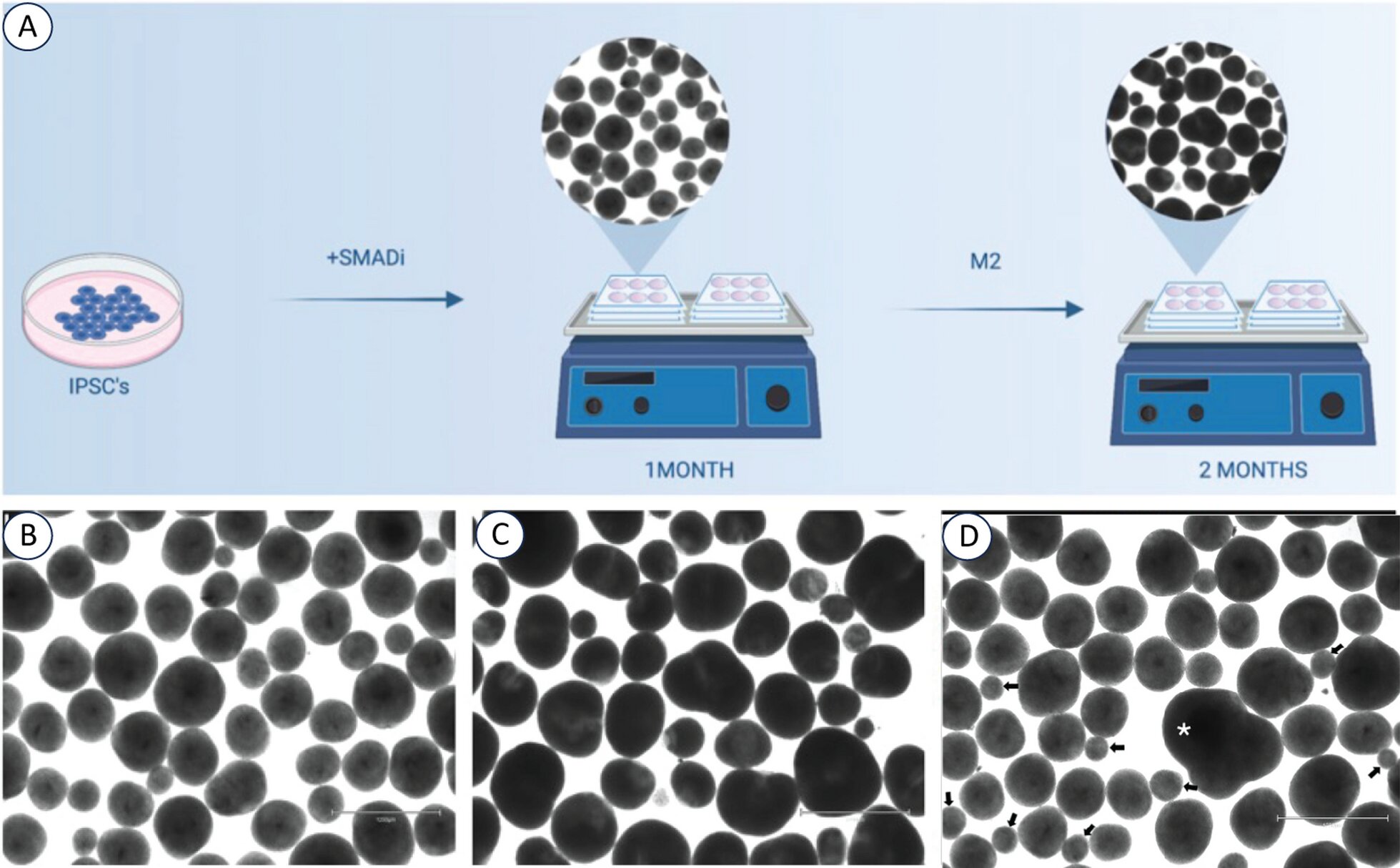
A study by University of California San Diego researchers has found that brain overgrowth in utero is linked to the severity of autism symptoms. Using brain cortical organoids (BCOs) created from stem cells of toddlers with autism, the study revealed that larger BCOs correlated with more severe social and language difficulties. This discovery could lead to prenatal identification and potential therapies for autism.