
Dual Studies Reveal How Childhood Trauma Rewires Brain Networks and Epigenetics to Drive Anxiety and Procrastination
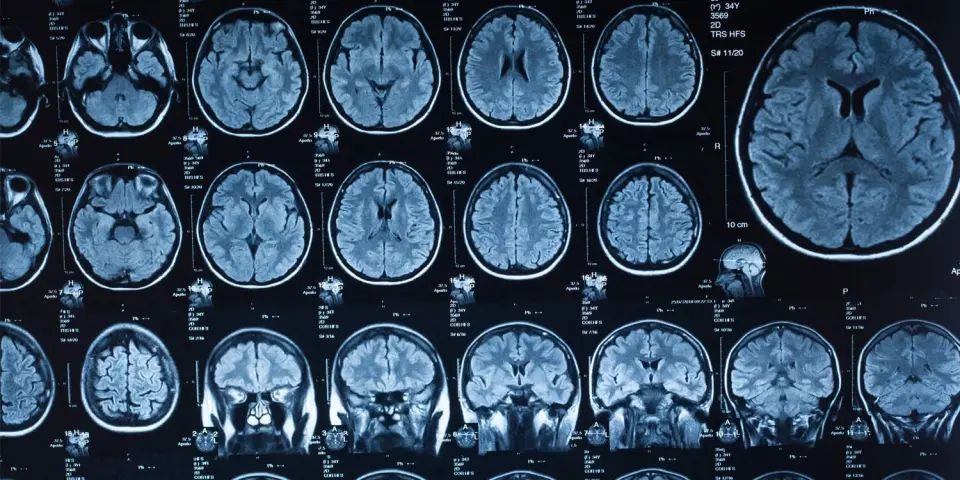
Two new studies published in August 2026 provide distinct biological explanations for how early-life adversity impacts adult behavior. A human fMRI study links childhood trauma to chronic procrastination via altered brain connectivity, while a mouse study identifies a specific epigenetic mechanism that heightens long-term stress sensitivity.
Key points
- A study in NeuroImage found that childhood trauma is associated with weaker connectivity in the prefrontal cortex and stronger connections in the salience network, leading to higher anxiety and lower self-control, which drives procrastination.
- A study in Neuron discovered that early-life stress in mice increases the enzyme SETD7 in dopamine-producing neurons, causing DNA to uncoil and remain primed for stress responses, resulting in adult anxiety and depression.
- The human study involved 1,189 undergraduate students, while the animal study used C57BL/6J mice subjected to maternal separation and reduced nesting material during early development.
- Researchers emphasize that while the human study shows correlation, longitudinal data is needed to prove causation, whereas the mouse study demonstrated that manipulating the SETD7 enzyme could either induce or protect against stress hypersensitivity.
Background
This research builds on a growing body of evidence that early-life adversity leaves lasting neural marks. Previous coverage noted that the timing of abuse (before age 13 vs. adolescence) shapes distinct brain signatures for emotion processing, and that unstable childhood environments are linked to borderline traits in adulthood. The current findings add specific mechanisms—network connectivity and epigenetic modification—to the understanding of how early stress impacts adult mental health.
How outlets are covering it
PsyPost highlights the human neuroimaging study, emphasizing the link between trauma, anxiety, and procrastination through the 'triple-network model.' ScienceAlert and Neuroscience News focus on the mouse epigenetic study, detailing the 'genetic slinky' analogy for DNA uncoiling and the role of the SETD7 enzyme. News-Medical provides a technical overview of the mouse study, noting the use of mass spectrometry and viral vectors to manipulate gene expression. While PsyPost focuses on behavioral outcomes in humans, the other outlets emphasize the molecular mechanisms in animal models that could lead to future treatments.
Why it matters
These studies offer concrete biological targets for interventions. Understanding the specific neural networks and epigenetic changes caused by childhood trauma could lead to therapies that protect the epigenome or strengthen cognitive control, potentially preventing the development of chronic anxiety and procrastination in adulthood.
What to watch
Researchers call for longitudinal studies in humans to confirm causal links and for further animal studies to test whether early supportive care can prevent the epigenetic changes observed in the mouse model. Future work may also explore if positive experiences can counteract these stress-induced changes.
- Brain imaging study links childhood trauma to chronic procrastination in adulthood PsyPost
- A Biological Mechanism Linking Childhood Trauma to Future Health Has Been Discovered ScienceAlert
- Long before adulthood, a chemical mark may quietly shape how the brain handles stress medicalxpress.com
- Early Stress Heightens Adult Anxiety Neuroscience News
- Early-life stress rewires brain epigenetics to heighten sensitivity to future stress News-Medical
Want the full story? Read the original reporting
Read on PsyPost