
CDC Allocates $1.6M to Revive Controversial Guinea-Bissau Vaccine Trial Amid Ethical Backlash
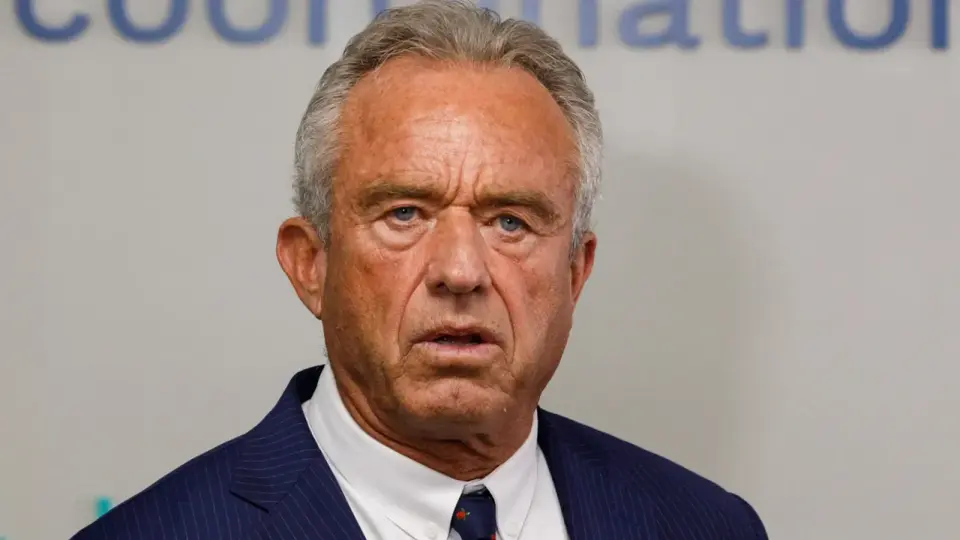
The CDC has allocated $1.6 million to revive a controversial hepatitis B vaccine trial in Guinea-Bissau, despite international condemnation and a denial of approval from the host country’s health minister. The study, led by Danish researchers under investigation for misconduct, would withhold the birth dose from half of 14,000 newborns to test for alleged harms. Critics argue the rushed approval process, driven by expiring grant deadlines, compromised ethical safeguards and exposed vulnerable infants to preventable infection.
Key points
- The CDC committed $1.6 million from global health security funds to the trial, which had been suspended in January 2026 due to ethical concerns.
- The University of Southern Denmark’s ethics committee approved the revised protocol on September 30, 2026, by a 5-4 vote, with four members resigning in protest.
- Guinea-Bissau’s health minister, Quinhin Nantote, denied that the government had authorized the trial, stating the ministry was 'surprised' by reports of approval.
- The trial would enroll 14,000 newborns, withholding the birth dose from 7,000 infants, despite the vaccine’s proven safety and the country’s plan to mandate it in 2028.
- HHS Secretary Robert F. Kennedy Jr. has championed the study, which is also backed by $1.8 million from the Pershing Square Foundation.
Background
The trial was first announced in late 2025 and suspended in January 2026 after the World Health Organization and other experts condemned its design as unethical. Previous coverage highlighted the researchers’ ongoing investigation for scientific misconduct and the international outcry over the potential exploitation of vulnerable populations in a low-income country.
How outlets are covering it
Rolling Stone emphasizes the role of expiring CDC funds in pressuring the Danish ethics committee to rush its vote, noting that the committee shortened deliberations and voted before all members were present. The Guardian highlights the denial of approval by Guinea-Bissau’s health minister and the broader ethical concerns, including the researchers’ misconduct allegations. Ars Technica focuses on the CDC’s allocation of funds from global health security programs, which could otherwise address the Ebola outbreak in the Democratic Republic of the Congo. Stand Up for Science, via EIN News, frames the trial as a 'gross violation of human rights' and a 'pet project' of HHS Secretary Kennedy, linking it to his past anti-vaccine efforts.
Why it matters
The trial raises significant ethical and public health concerns, as it could expose thousands of infants to preventable hepatitis B infection in a country with high disease prevalence. The controversy also highlights tensions between global health funding priorities and ethical standards, with critics arguing that resources are being diverted from urgent needs, such as the Ebola outbreak, to support a study that many experts deem unnecessary and harmful.
What to watch
The trial remains suspended pending final authorization from Guinea-Bissau’s government, which has denied approval. The CDC and HHS have not responded to requests for comment, and it is unclear whether the study will proceed. Advocacy groups, including Stand Up for Science, are exploring legal and public actions to block the trial, while the WHO has offered support for rolling out the hepatitis B vaccine at birth in Guinea-Bissau.
- How a Controversial Hepatitis B Study Was Funded by the CDC Amid a Global Swirl of Criticism Rolling Stone
- Guinea-Bissau denies it has approved controversial vaccine trial in newborns The Guardian
- Outrage grows as CDC reportedly poised to fund "unethical" vaccine trial Ars Technica
- Stand Up for Science Condemns CDC’s Attempts to Restart Controversial Vaccine Study in Guinea-Bissau EIN News
- Hepatitis B vaccine study condemned as unethical wins approval from Danish university CIDRAP
Want the full story? Read the original reporting
Read on Rolling Stone