
South Carolina Confirms Multiple Rabies Cases in Spartanburg, Charleston, and Anderson Counties
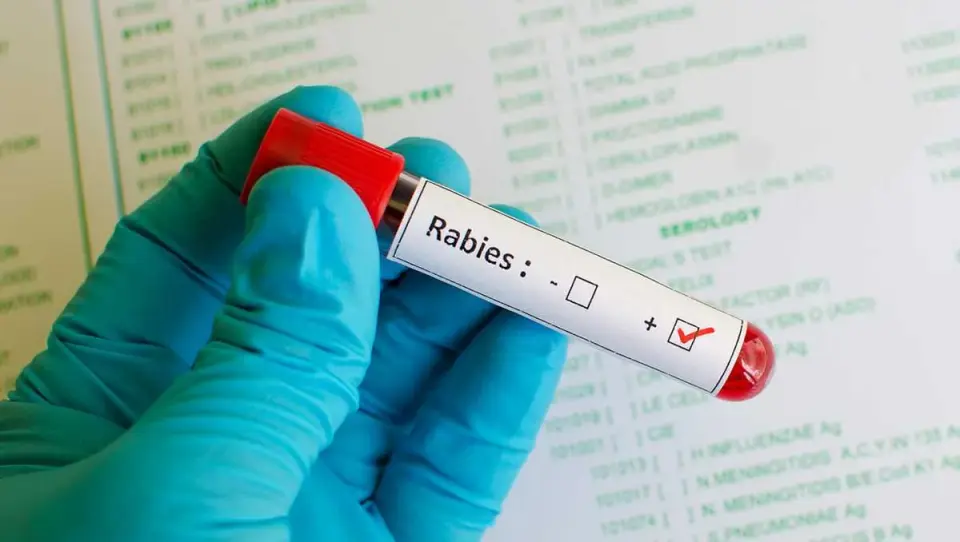
South Carolina health officials confirmed three new rabies cases in November 2026, involving a cat in Spartanburg County, a raccoon in Charleston County, and a skunk in Anderson County. These incidents resulted in one human exposure and three pet exposures, requiring quarantine or medical referral. Statewide, 103 animals have tested positive for rabies this year, below the 136-case average since 2002.
Key points
- Spartanburg County: A cat found near Irby and Chamblin Streets in Woodruff tested positive for rabies on Nov. 17. One person was exposed and referred to a healthcare provider.
- Charleston County: A raccoon found near Old Towne and Old Towne Plantation Roads tested positive on Nov. 16. One cat was exposed and quarantined under the South Carolina Rabies Control Act.
- Anderson County: A skunk found near Liberty Highway and Freeman Road in Liberty tested positive on Nov. 13. One dog and one cat were exposed and quarantined.
- Statewide Context: South Carolina has recorded 103 rabid animal cases in 2026, compared to an average of 136 annually since 2002. Charleston County has had 13 positive cases this year.
- Prevention: Officials urge pet owners to maintain rabies vaccinations and avoid contact with wild or stray animals. The 24-hour rabies reporting line is (888) 847-0902.
Background
This development follows a broader trend of rabies surveillance in the southeastern United States. In 2026, New York City experienced a significant surge in raccoon rabies cases, reaching 26 instances, which was 30% higher than the entire previous year's total. While New York's surge was attributed to a raccoon population boom and low immunity in certain areas, South Carolina's cases appear more sporadic across different species (cat, raccoon, skunk) and counties. The state's current count of 103 cases remains below its historical average, suggesting that while local clusters are emerging, the overall burden is not yet exceeding long-term norms.
How outlets are covering it
WYFF and WCIV both reported on the Spartanburg and Charleston cases, confirming the timeline of testing and confirmation. WYFF emphasized the human exposure in Spartanburg, while WCIV highlighted that no humans were exposed in the Charleston incident, focusing instead on the quarantined cat. FOX Carolina News provided the additional detail regarding the Anderson County skunk, which was not mentioned in the other two sources. All three outlets consistently cited the South Carolina Department of Public Health (DPH) as the source of the data and provided the same contact information for reporting exposures. There is no disagreement on the facts, but the emphasis varies: WYFF and WCIV focus on the specific local impacts in their respective regions, while FOX Carolina broadens the scope to include another county, illustrating that rabies activity is not isolated to a single area.
Why it matters
Rabies is a fatal disease for both humans and animals if left untreated. The confirmation of multiple cases in different counties highlights the ongoing risk of transmission from wildlife to pets and people. The human exposure in Spartanburg underscores the critical importance of immediate medical attention for bite or scratch victims. For pet owners, these cases serve as a reminder that vaccination is the primary defense, as wild animals like raccoons and skunks are common carriers. Public awareness and rapid reporting of potential exposures are essential to preventing further spread and ensuring timely treatment for those affected.
What to watch
Health officials will continue to monitor the quarantined animals in Charleston and Anderson counties to ensure they do not develop symptoms. The person exposed in Spartanburg will receive post-exposure prophylaxis as directed by their healthcare provider. The DPH will likely issue further advisories if additional cases are confirmed in these areas. Residents are encouraged to keep pets indoors and avoid contact with wild animals, especially during the fall and winter months when wildlife may be more active in search of food. The 24-hour reporting line will remain active for any suspected exposures.
- Health officials warn after rabid cat, raccoon expose one person and one cat in SC WYFF
- 1 person and multiple pets exposed to rabid animals in Anderson and Chesterfield Co. WSPA 7News
- Rabid raccoon confirmed in Charleston County; one cat exposed WCIV
- DPH: Dog, cat exposed to skunk with rabies in Anderson County FOX Carolina News
Want the full story? Read the original reporting
Read on WYFF