
Utah Mink Farm Bird Flu Outbreak Highlights Pandemic Risk Amid Regulatory Inaction
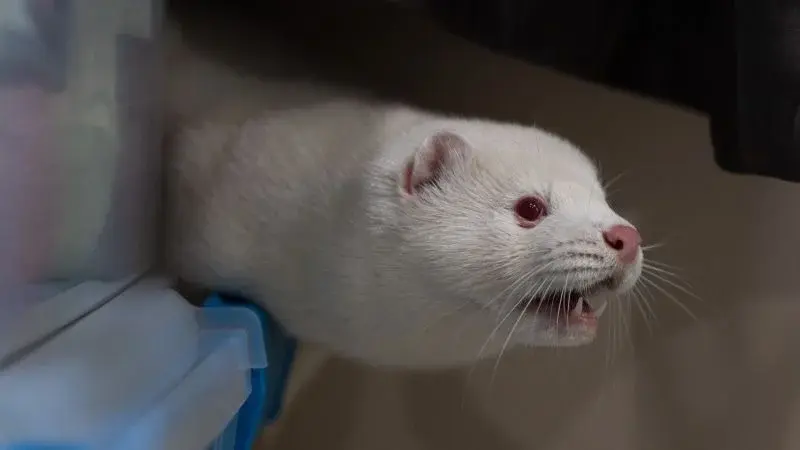
A two-month H5N1 outbreak at C&T Fenn Farms in Utah has gone uncontrolled due to a lack of federal culling mandates for mink. State officials prioritized the farm owner’s financial interests over public health measures, failing to cull animals or monitor workers. Experts warn that mink share cellular receptors with humans, creating a potential 'petri dish' for viral mutation. Despite CDC guidance, Utah health departments did not monitor or test farm workers, including one with a red eye, a key symptom of infection. The incident has drawn sharp criticism from epidemiologists who argue that secrecy and inaction increase the risk of a human pandemic.
Key points
- H5N1 has infected thousands of mink at C&T Fenn Farms in Utah since mid-August, with no federal rules requiring culling or compensation for mink owners.
- State veterinarian Amanda Price declined to order depopulation, citing the farm owner's financial losses and lack of USDA guidance, despite international precedents for culling fur farms.
- Utah health officials stopped active monitoring of farm workers after agriculture department complaints, leading to a lack of testing for symptomatic individuals like a worker with a red eye.
- Mink airways contain cell receptors similar to humans, raising fears that the virus could mutate or reassort with seasonal flu to enable human-to-human transmission.
- The outbreak was kept confidential to avoid alerting animal rights groups, with no emergency declared, while federal officials noted they lack regulatory authority or funding for mink-specific bird flu responses.
Background
This incident follows a series of earlier reports in late 2026 detailing the same H5N1 outbreak at the Utah mink farm. Previous coverage highlighted the regulatory vacuum for mink, the death of approximately 80% of the herd, and the lack of transparency from state officials. The current report expands on these issues by detailing specific failures in worker monitoring and the potential for viral mutation in mink, which share cellular receptors with humans. It also notes the contrast with the 2020 response to COVID-19 on mink farms, where active surveillance and testing were employed.
Why it matters
The uncontrolled spread of H5N1 in mink, an animal with human-like airway receptors, creates a high-risk environment for viral mutation or reassortment that could lead to a human pandemic. The failure to cull animals or monitor workers, driven by economic interests and regulatory gaps, undermines public health safeguards and sets a dangerous precedent for handling zoonotic threats in livestock and fur industries.
What to watch
State officials are awaiting new genomic samples from the farm to assess viral evolution, while federal agencies maintain that Congress must fund specific programs for mink culling or vaccination. The virus continues to spread on the farm, and experts urge active surveillance and testing of exposed workers to prevent potential human spillover.
Want the full story? Read the original reporting
Read on CNN