
BYU Researchers Report 90% Cancer Cell Reduction with Low-Cost MOTO-CAR Immunotherapy
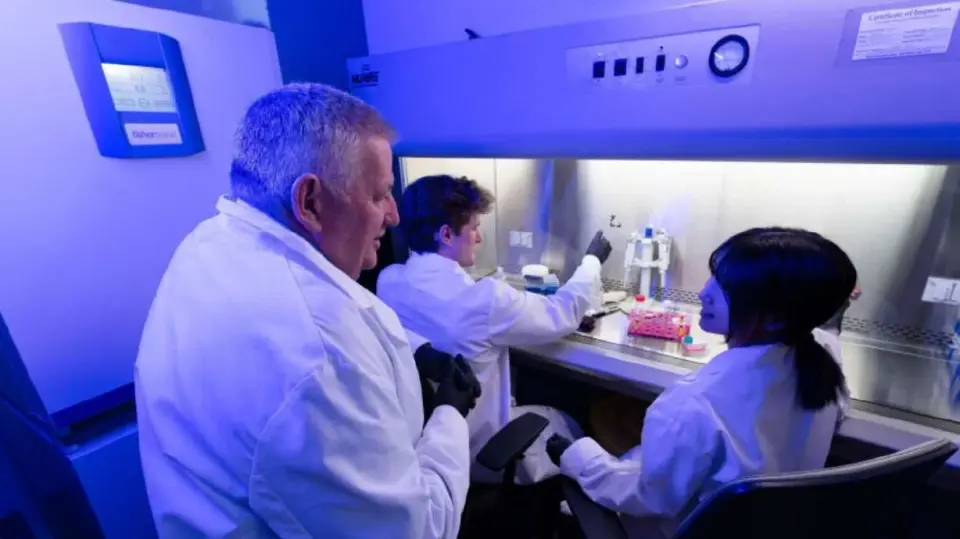
Brigham Young University researchers have developed MOTO-CAR, a technology that genetically modifies immune cells to target cancer. Preclinical tests showed a 90% reduction in aggressive lung cancer cells within 24 hours, with hopes for a more affordable global treatment.
Key points
- BYU researchers, led by microbiology professor Kim O'Neill, are developing MOTO-CAR, a technology that genetically engineers immune cells to recognize and attack cancer cells.
- In preclinical lab testing, the technology achieved a 90% reduction in aggressive lung cancer cells within 24 hours.
- The primary goal of MOTO-CAR is to make cancer treatment more affordable and accessible worldwide, potentially reducing the need for surgery, chemotherapy, or radiation.
- The technology is designed to convert the patient's own immune system into a tool for fighting cancer, rather than relying solely on external drugs.
- The research is currently in the preclinical stage, and further work is required before human trials can begin.
Background
This development aligns with a broader trend in 2026 of preclinical research focusing on cost-effective and targeted biological therapies. Recent archive coverage highlights similar efforts, such as Immorta Bio's AI-designed peptide for senescent cells and plant-based compounds for rheumatoid arthritis, all aiming to provide durable, affordable alternatives to existing treatments. While those studies focus on different mechanisms, the emphasis on reducing costs and leveraging biological targets mirrors the goals of BYU's MOTO-CAR initiative.
Why it matters
If successful, MOTO-CAR could democratize access to advanced cancer treatments by lowering costs and potentially replacing expensive or invasive procedures like surgery and radiation. This could have significant implications for global healthcare equity and patient outcomes for hard-to-cure cancers.
What to watch
The next step is additional preclinical research to validate the findings and prepare for potential human trials. The timeline for human trials is not specified but depends on the success of further preclinical testing.
Want the full story? Read the original reporting
Read on KSL News