
Chinese university probes fatal gene-editing trial after child’s death
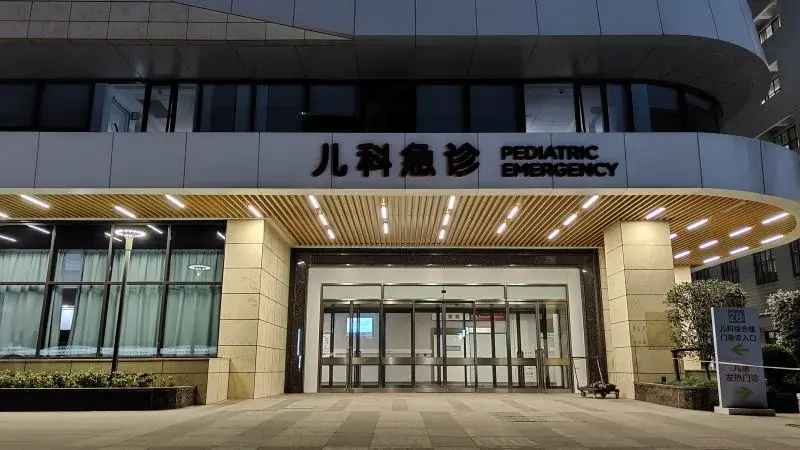
Shanghai Jiaotong University is investigating the death of a six-year-old girl in an experimental gene-editing trial. The therapy, funded by her parents for $860,000, aimed to treat a rare non-fatal disorder but resulted in a fatal immune reaction. Critics highlight regulatory gaps and ethical failures in China’s booming biotech sector.
Key points
- Shanghai Jiaotong University School of Medicine established a working group to investigate the clinical trial and related scientific paper.
- The girl, referred to as Mei, died in March 2025 from thrombotic microangiopathy, a severe immune reaction, days after receiving the treatment.
- Her parents paid $860,000 to fund the experimental base-editing therapy, which targeted a rare genetic disorder that was not life-threatening.
- The hospital’s ethics board concluded the death was definitely related to the treatment, but penalties were minor, including a $3,600 fine and verbal counseling for a doctor.
- A related paper published in Nature omitted details about the human trial and the child’s death, prompting calls for retraction and editorial review.
Background
This incident follows the 2018 He Jiankui scandal, where gene-edited babies were born, leading to stricter regulations. China’s biotech sector has expanded rapidly, with investigator-initiated trials enrolling over 30,000 participants since 2015. New rules in May 2026 aimed to centralize oversight of advanced therapies, but experts argue these gaps allowed the current failure.
How outlets are covering it
CNN and Science emphasize the ethical breaches and regulatory loopholes, noting that the trial proceeded despite unconvincing preclinical data and downplayed risks. Le Monde highlights the financial burden on the family and the rarity of the condition. The New York Post focuses on the parents’ payment and the lack of transparency in the Nature paper, questioning why such a drastic measure was taken for a non-fatal disorder. Experts like Joy Zhang and Yanzhong Huang argue that this case reveals persistent gaps in transparency and accountability in China’s biotech boom, contrasting it with the He Jiankui case by involving prestigious institutions.
Why it matters
The case exposes critical flaws in China’s dual-track regulatory system for gene therapies, raising concerns about patient safety and ethical oversight. It may prompt further tightening of regulations, potentially impacting the pace of innovation in a sector where China aims to compete globally with the US. The incident also highlights the risks of investigator-initiated trials, which often face less oversight than traditional approval pathways.
What to watch
Shanghai Jiaotong University will continue its comprehensive investigation, with potential consequences for the researchers involved. Nature is reviewing the related paper, and experts are calling for a full data review. The case may lead to stricter regulations and increased scrutiny of gene-editing trials in China, balancing innovation with patient protection.
- Girl’s undisclosed death in gene-editing trial raises red flags in booming Chinese industry CNN
- In China, the hidden death of 'Mei', a 6-year-old girl, after gene therapy raises many questions Le Monde.fr
- 6-year-old girl dies after parents paid $860K for experimental therapy that ‘shouldn’t have gone to trial’ nypost.com
- China biotech sector fears policy backlash after girl dies in gene-editing trial South China Morning Post
- Scandal Exposes Limits of China’s Scientific Rise foreignpolicy.com
Want the full story? Read the original reporting
Read on CNN