
Duke Engineers Develop Injectable Scaffold to Rebuild Brain Tissue After Stroke
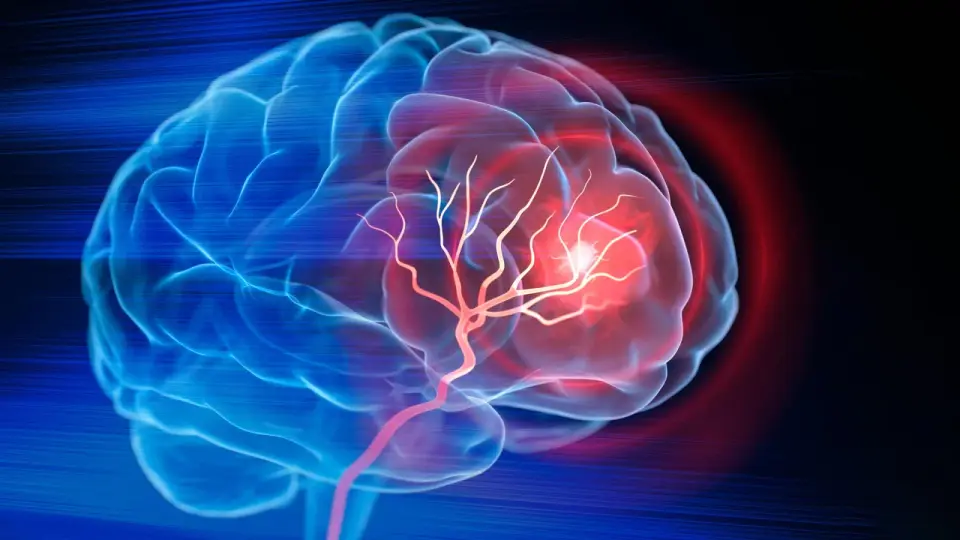
Duke University researchers have developed an injectable biomaterial designed to facilitate brain repair after ischemic strokes. By using microporous annealed particle scaffolds loaded with specific immune signals, the treatment encourages the formation of new blood vessels and neural connections. In mouse trials, this approach restored motor function to levels comparable to healthy controls, suggesting a new strategy for rebuilding damaged brain tissue rather than merely preserving existing tissue.
Key points
- Ischemic strokes often leave cavities where brain tissue has died, a damage that current clot-removal treatments cannot repair.
- The new treatment uses MAPS (microporous annealed particle scaffolds) to create a porous structure within the stroke cavity.
- The scaffold is chemically bonded with extracellular vesicles from astrocytes to deliver specific signals, including IL-4 and C1q.
- These signals recruit immune cells, particularly neutrophils, which were found to support tissue repair when present in the correct environment.
- Mice treated with the scaffold showed improved motor function on grid-walking tests, matching healthy controls by eight weeks.
- The biomaterial scaffold was essential for success; extracellular vesicles alone did not produce the same vascular repair results.
Background
This development follows recent advancements in stroke rehabilitation, such as the use of vagus nerve stimulation to aid movement recovery in survivors. While previous approaches focused on preserving viable tissue or adapting surviving circuits, this new research addresses the fundamental challenge of rebuilding lost tissue. It also aligns with broader trends in using immune modulation and biomaterials to influence healing processes in the brain.
Why it matters
Ischemic strokes affect millions of people annually, and current emergency treatments cannot restore tissue that has already died. This new approach offers a potential pathway to actively rebuild the damaged region by engineering a local environment that supports vascular and neural repair. If successful in human trials, it could significantly improve long-term recovery outcomes for stroke patients by addressing the root cause of tissue loss rather than just managing symptoms.
What to watch
Researchers will investigate the use of extracellular vesicles derived from human induced pluripotent stem cells to ensure scalability and clinical relevance. Further studies are needed to assess safety, understand the precise role of different immune cell populations, and test the treatment in larger animal models that more closely resemble human stroke pathology.
Want the full story? Read the original reporting
Read on Science Daily