Tag

Bioengineering

All articles tagged with #bioengineering

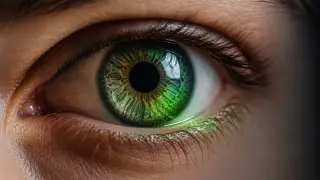
Spinach-Inspired Photosynthesis Targets Dry Eye in Eye Cells
science7 days ago

Spinach-Inspired Photosynthesis Targets Dry Eye in Eye Cells

Scientists at NUS bioengineered spinach-derived photosynthetic machinery to function in mammalian corneal cells via eye drops, using light to generate anti-inflammatory chemicals and combat oxidative stress in dry eye disease, a condition affecting about 1.5 billion people; the work, published in Cell, explores a novel, plant-based approach to treating dry eye by harnessing light-driven chemistry in eye tissues (still at early model stages).

Living plastic with a built-in kill switch can self-destruct on command
technology19 days ago

Living plastic with a built-in kill switch can self-destruct on command

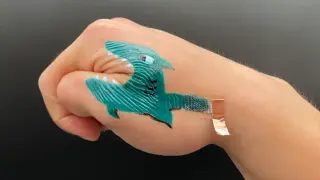
Chinese researchers embedded dormant Bacillus subtilis spores in polycaprolactone to create a 'living plastic' with a built-in kill switch. When exposed to warm nutrient broth (~50°C), the spores activate and two enzyme-producing strains—Candida antarctica lipase and Burkholderia cepacia lipase—cooperate to cut long polymer chains and then digest the fragments, fully degrading the film in about six days without leaving microplastics. A wearable electrode prototype showed the material could form recoverable electronics before dissolving; however, the approach uses a relatively easy-to-degrade polymer and requires a lab-like trigger, limiting practicality for real-world plastics or consumer use.

Neurobots: Self-Assembling Frog-Cell Machines Grow Functional Nerves
science29 days ago

Neurobots: Self-Assembling Frog-Cell Machines Grow Functional Nerves

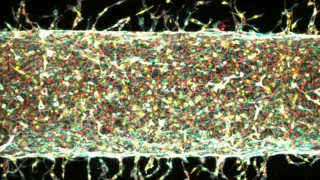
Tufts and Wyss Institute researchers embedded neural precursor cells into self-assembling frog-cell xenobots to create neurobots with functional neural networks that move more complexly and stay active longer than non-neural bots; drug testing showed neural activity shapes movement, and transcriptomics revealed upregulation of vision-related genes, opening questions about nervous system formation in a novel biological context.

Hagfish Slime Sparks a Sustainable Materials Revolution
science3 months ago

Hagfish Slime Sparks a Sustainable Materials Revolution

Hagfish slime rapidly expands into a dense gel when seawater is present, using ultra-thin protein threads that self-assemble into a fibrous network and can clog predators’ gills in seconds. Produced at room temperature in seawater with no toxic byproducts, this slime is inspiring researchers to develop sustainable biomaterials—self-assembling fibers that could rival spider silk. Scientists aim to isolate the slime proteins’ genes for production in microbes, but scaling, control of assembly, and durability remain key hurdles.

Small Machines, Big Inside Cells: 3D-Printed Devices Take Shape Within Living Cells
technology4 months ago

Small Machines, Big Inside Cells: 3D-Printed Devices Take Shape Within Living Cells

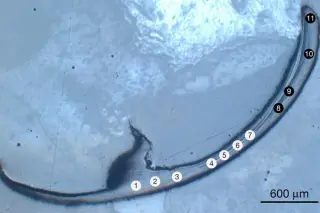
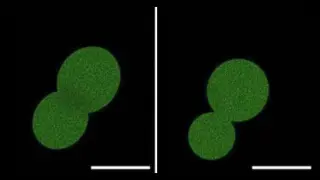
Researchers have 3D-printed microstructures inside living cells using two-photon polymerization by injecting a light-sensitive resin and curing it with a femtosecond laser; the resulting structures, including a 10 μm Elephant-like model, float in the cytoplasm and can be inherited when cells divide. Viability after 24 hours is about 55% for printed cells, with most losses due to membrane damage from the injection rather than the printing itself. Demonstrations include barcodes, diffraction gratings, and microlasers, signaling potential for intracellular tagging and sensing, while challenges in viability and integration remain.

Scientists Address Doomsday Threats of 'Mirror Life'
science8 months ago

Scientists Address Doomsday Threats of 'Mirror Life'

Scientists worldwide are discussing the potential risks and benefits of creating mirror life, synthetic cells made from molecules that are mirror images of natural ones, due to concerns about environmental and health dangers versus potential medical and scientific benefits. The conference in Manchester aims to establish guidelines for safe research in this emerging field.

Innovative Bioengineered Dental Implants Mimic Natural Teeth in Function and Feel
health11 months ago

Innovative Bioengineered Dental Implants Mimic Natural Teeth in Function and Feel

Researchers from Tufts University have developed a bioengineered dental implant that not only fills the gap but also reconnects with nerves to restore sensory feedback, mimicking real teeth. The implant uses stem cells and growth proteins within a biodegradable coating, and is installed via a less invasive press-fit method, showing promising results in rats. This innovation could significantly improve dental restoration by restoring natural sensation and function, with future plans for larger animal trials and human clinical trials.