
Zurich researchers report stem cell transplants restore motor function in stroke-affected mice
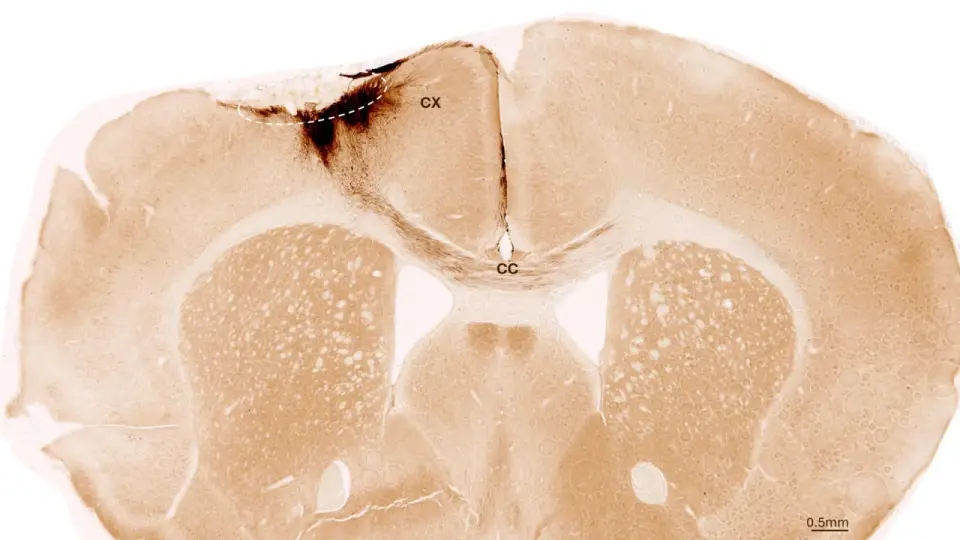
University of Zurich scientists found that transplanting human neural stem cells into the brains of mice one week after a stroke induced new neuron growth, repaired blood vessels, and restored movement. The study suggests a potential path for regenerative treatments, though significant hurdles remain before human trials.
Key points
- Researchers led by Christian Tackenberg at the University of Zurich demonstrated that neural stem cells can survive and integrate into damaged brain tissue for at least five weeks.
- The transplanted cells not only formed new neurons but also established communication with existing brain networks, which is critical for restoring function.
- The treatment triggered broader repair mechanisms, including the formation of new blood vessels, reduced inflammation, and improved integrity of the blood-brain barrier.
- Mice receiving the treatment showed significant improvements in motor impairments, measured through AI-assisted analysis of walking patterns.
- The team developed a production protocol using human induced pluripotent stem cells without animal-derived reagents to facilitate future human clinical applications.
Background
This development follows recent preclinical studies exploring alternative methods for brain repair after stroke. In September 2026, Duke University researchers reported that an injectable scaffold could promote neural remodeling and improve motor function in mice by recruiting immune cells. Additionally, earlier findings in August 2026 highlighted the role of microglia in brain inflammation, suggesting that managing immune responses is a key factor in neurological recovery. These studies collectively underscore the growing focus on regenerative approaches for neurological damage, though the current Zurich study is the first to demonstrate direct stem cell integration and functional restoration in a stroke model.
Why it matters
Stroke affects approximately one in four adults over their lifetime, with half of survivors facing lasting disabilities such as paralysis or speech difficulties. Current treatments cannot rebuild destroyed brain tissue, making the damage traditionally permanent. This research offers a potential avenue for regenerative therapies that could restore function rather than merely manage symptoms. The finding that transplantation works better one week after a stroke, rather than immediately, could simplify clinical implementation by providing doctors with more time to prepare treatments outside of emergency windows.
What to watch
The research team is developing a safety switch to prevent uncontrolled stem cell growth in the brain and exploring endovascular injection methods to avoid invasive brain grafts. While initial clinical trials for induced stem cells in Parkinson's disease are underway in Japan, the Zurich team aims to move stroke therapies toward human testing. They must first address safety concerns and simplify application protocols before widespread clinical trials can begin.
Want the full story? Read the original reporting
Read on ScienceDaily