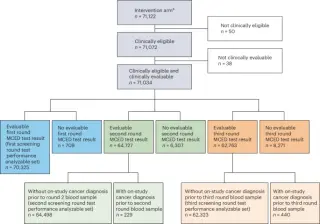
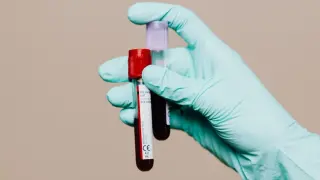
The NHS-Galleri trial, involving 142,250 participants, found that a multi-cancer early detection blood test did not significantly reduce late-stage cancer diagnoses overall, though it detected about 30% of cancers and had a high specificity.
A TikTok trend claims that low iron leaves visible clues on the face, but ferritin reflects iron stores, not a reliable facial cue. Severe iron deficiency with anaemia can make skin pale, but many factors—sleep, hormones, dehydration—affect complexion. The only way to know iron status is a ferritin blood test; if low, a clinician may recommend iron supplements, though excess iron can be toxic. Diet can help (haem iron from meat/fish; non-haem iron from plants paired with vitamin C). People at higher risk (pregnant individuals, heavy periods, inflammatory bowel disease, vegetarians/vegans) should consult a doctor rather than rely on social media or purchase supplements online.
The FDA has cleared Roche and Eli Lilly’s Elecsys pTau217 blood test to help identify Alzheimer’s disease–related brain changes in people 55 and older with cognitive decline; the biomarker test can run on more than 4,500 Roche analyzers in the United States and is intended to aid, not replace, diagnosis when used with other clinical information. European approval followed in May, and Labcorp and Quest Diagnostics plan to offer the test nationally, potentially broadening access as developers push for earlier detection and treatment. Experts warn that a positive pTau217 result is not a definitive diagnosis and must be interpreted alongside other data.
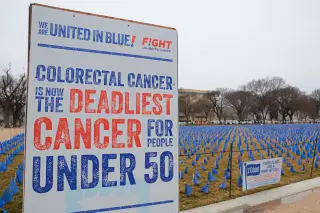
The FDA has approved Freenome's SimpleScreen CRC, a blood-based screening test for adults 45+ at average risk, offering a noninvasive option to detect colorectal cancer with results in weeks; in a large study, it detected about 80% of cancers and correctly ruled out cancer or advanced precancer in about 90% of those without disease, signaling potential to boost screening rates alongside existing tests, though costs and Stage 1 sensitivity remain under discussion.
A Nature Medicine study identifies a 19-protein panel in blood plasma that predicts whether ALS-gene carriers will develop the disease within 6 months to 5 years, outperforming NEFL as a single-marker predictor and estimating time-to-onset with about a 1.6-year error. Many panel proteins relate to muscle biology, suggesting early muscle changes precede nerve degeneration. While promising, the panel is experimental, requiring validation and more accessible testing before clinical use; UK Biobank replication offered partial confirmation but with limitations due to its snapshot design.
A Harvard-led study of nearly 2,700 cognitively healthy older adults found that a simple blood test measuring the p-tau217 biomarker can predict future cognitive decline up to 10 years before symptoms; very high levels were linked to about a 78% chance of impairment within a decade, and moderate elevations still carried roughly a 45% risk, suggesting the test could aid risk assessment and trial recruitment while recognizing that results must be confirmed across diverse groups and longer follow-up.
Edinburgh researchers identified a distinct blood androgen profile in women with endometriosis, enabling correct identification of the condition in over 95% of cases in a small study; this could lead to a non-surgical diagnostic blood test, but requires validation in larger, more diverse populations and comparison with other hormonal conditions; industry partners are sought to develop the test, and researchers hope it could shorten diagnosis times that currently average more than a decade in Scotland.
A new study suggests a blood test measuring plasma biomarkers could detect Alzheimer’s disease decades before symptoms emerge, supporting the idea that the illness may begin in midlife and is linked to cognitive differences, with potential to enable earlier diagnosis and help prevent or delay dementia.
The American Cancer Society updated its colon cancer screening recommendations to include three newer options: two enhanced at-home stool tests (Cologuard Plus and ColoSense) that look for tumor DNA/RNA in stool, and a blood test (Shield) detecting cancer DNA in blood. The goal is to boost screening rates among adults 45–75 by offering more convenient options; stool tests are recommended every three years, the blood test at routine medical visits, and follow-up colonoscopy is still required if any test is positive. Colonoscopy remains the most effective method for detecting polyps and preventing cancer, but these tests provide additional access points and can reduce delays in screening. Insurance coverage varies by plan.
The American Cancer Society updated colorectal cancer screening guidelines to include a blood test, aiming to provide more options and increase screening rates among adults 45 and older, noting that about a third of eligible adults are not up to date and that early detection improves outcomes.
A Kent NHS trust is taking part in national dementia studies (ADAPT and GRACE), introducing blood tests for Alzheimer's in memory clinics to speed and improve diagnosis, potentially replacing invasive tests and improving post-diagnosis care while addressing local health inequalities.
A long-term study of cognitively healthy adults found that plasma pTau217 levels forecast early Alzheimer’s pathology and future cognitive decline, often rising years before amyloid PET scans become positive, suggesting blood tests could enable earlier risk detection and screening for prevention trials.
Researchers are pursuing multi-cancer blood tests using DNA fragments and AI, with early signals like Mercury showing notable sensitivity across several cancers. Yet the largest Galleri trial did not reduce advanced cancer diagnoses or provide clear survival benefits, and test accuracy varies by cancer type. Experts say a universal one-test solution is unlikely; a portfolio of targeted tests and longer follow-up to prove life-saving value and enable insurer coverage is more plausible before routine use.
A study of 317 cognitively healthy adults over about eight years shows that the blood biomarker pTau217 tracks brain amyloid and tau buildup and can predict future Alzheimer's pathology years before signs appear, potentially matching or prefiguring PET scans. While promising, researchers caution that more diverse data and validation are needed before clinical use, and not all biomarker-positive individuals progress to dementia.
UC San Diego researchers identify plasma phosphorylated tau 217 (p-tau217) as a blood biomarker that predicted future dementia risk decades before symptoms, especially in older women and APOE ε4 carriers; its predictive power varies with age and hormone therapy history, suggesting potential for earlier prevention and monitoring, though not yet ready for routine clinical use.