
CN045 Shows Promise in Repairing Myelin in Preclinical MS Studies
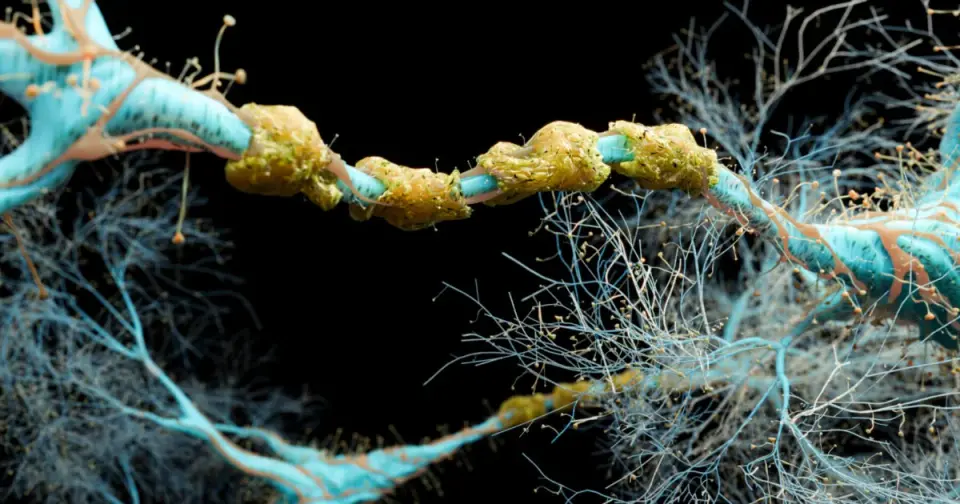
A new preclinical study identifies a small molecule, CN045, as a potential lead for repairing myelin damage in multiple sclerosis (MS). Published in npj Drug Discovery, the research demonstrates that CN045 promotes the maturation of myelin-producing cells in human lab tests and induces modest remyelination in mouse models. While the compound faces challenges regarding rapid metabolic breakdown, its ability to penetrate the brain and low toxicity profile suggest it could be optimized into a future clinical therapy to preserve nerve function.
Key points
- CN045 was identified from a screen of 20,000 molecules for its ability to promote the maturation of oligodendrocyte progenitor cells (OPCs).
- In lab tests using human OPCs, CN045 increased the number of mature, myelin-producing oligodendrocytes that could form myelin-like coverings around nanofibers.
- In a mouse model of myelin loss, CN045 resulted in modest remyelination, indicating potential for repairing damage in living animals.
- The compound is brain-penetrable and shows low cell toxicity, but it is rapidly broken down in the body, requiring further chemical optimization.
- The study was supported by the National Institutes of Health, the National Multiple Sclerosis Society, and Ohio Fast Forward.
Background
This development follows a trend in 2026 preclinical research focusing on repairing tissue damage rather than just suppressing inflammation. Recent studies on Alzheimer's drugs, such as KCL-286, have shown success in repairing DNA damage and reducing inflammation in mouse models, suggesting a broader shift toward disease-modifying therapies that address underlying cellular mechanisms. Similarly, research into stem-derived retinal vessels has explored repairing structural damage in the eye. While current MS treatments focus on suppressing immune activity, they do not repair existing myelin loss, making compounds like CN045 significant for addressing the root cause of nerve signal disruption.
Why it matters
Current approved MS therapies suppress inflammatory activity but do not repair existing myelin damage, which leads to progressive nerve function loss. A successful remyelination therapy could potentially restore nerve insulation and preserve function, offering a new treatment avenue for the more than 20 existing disease-modifying therapies that focus solely on preventing new lesions.
What to watch
Researchers must optimize CN045 to improve its stability and prevent rapid breakdown in the body. If successful, the compound could advance toward clinical trials as a lead candidate for enhancing remyelination in MS patients.
Want the full story? Read the original reporting
Read on Multiple Sclerosis News Today